At Beyond the States, we are committed to helping LGBTQIA+ students find safe, inclusive, and empowering English-taught degree programs in Europe. Our LGBTQIA+ Student Members Hub provides the resources you need to make informed decisions about studying abroad—connecting you with welcoming universities, student communities, and legal protections across Europe.
Many European universities are known for their strong commitment to inclusion, diversity, and student well-being. These institutions have clear anti-discrimination policies, active LGBTQ+ student groups, and safe-campus initiatives that foster an inclusive academic environment.

LGBTQ+ Rights Across Europe
Before choosing a destination, it’s essential to understand the legal and social landscape for LGBTQIA+ individuals.
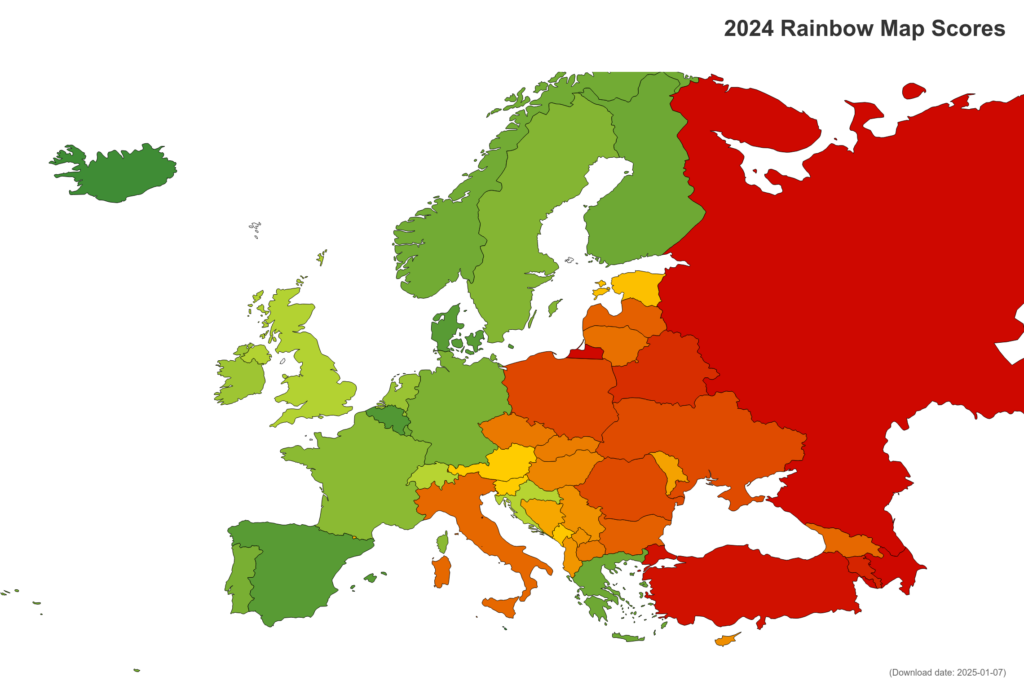
- 🌍 Rainbow Europe Map – A detailed ranking of LGBTQ+ rights across European countries.
- 📖 LGBTQ+ Rights in Europe – An overview of legal protections, same-sex marriage, adoption rights, and more.
Legal Recognition and Protections:
- Same-Sex Marriage and Civil Unions: As of 2024, 21 European countries have legalized same-sex marriage, including the Netherlands, Spain, and Germany. Additionally, 11 countries offer civil unions or registered partnerships, providing varying degrees of legal recognition for same-sex couples.
- Anti-Discrimination Laws: The European Union enforces anti-discrimination directives that protect individuals based on sexual orientation and gender identity. However, the implementation and scope of these protections can vary by country. (European Parliament)
- Gender Identity Rights: Legal recognition of gender identity differs across Europe. Some countries have progressive policies allowing legal gender changes without medical requirements, while others impose strict conditions.
Social Climate and Public Opinion:
- Public Acceptance: Western and Northern European countibit higher acceptance of LGBTQIA+ individuals, with nations like Sweden and the Netherlands leading in social acceptance. In contrast, some Eastern European countries have more conservative attitudes. (Statista)
- Pride Events and Activism: Cities such as Amsterdam, Berlin, and Madrid host large, vibrant Pride events, reflecting broader societal acceptance and active LGBTQIA+ communities. However, in certain regions, Pride events may face restrictions or opposition.
Regional Variations:
- Progressive Regions: Countries like Malta, Belgium, and Denmark are recognized for comprehensive LGBTQIA+ rights and protections. Malta, for instance, has consistently topped the ILGA-Europe Rainbow Index for its progressive laws and policies. (Pink News)
- Areas of Concern: Some countries, including Russia and parts of Eastern Europe, have enacted laws that restrict LGBTQIA+ rights and freedoms, such as bans on “LGBTQ+ propaganda.” These legal environments can pose challenges for LGBTQIA+ individuals. (Le Monde)
Recent Developments:
- Advancements: In 2024, Estonia and Greece legalized same-sex marriage, marking significant progress in LGBTQIA+ rights. (Context News)
- Setbacks: Conversely, countries like Bulgaria and Georgia have introduced anti-LGBTQ+ bills, reflecting a polarized landscape regarding LGBTQIA+ rights in Europe. (Le Monde)
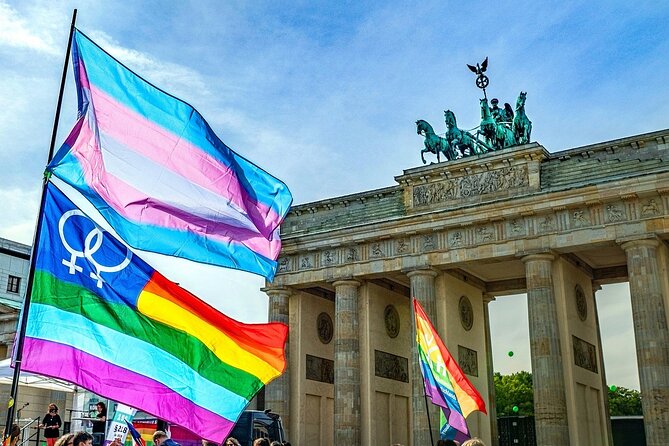
Why Study in Europe as an LGBTQIA+ Student?
✅ Progressive & Inclusive Countries – Many European nations offer strong legal protections, anti-discrimination laws, and LGBTQ+ rights, making them ideal for studying abroad.
✅ Affordable & High-Quality Education – Access world-class universities with low or no tuition fees, often more affordable than U.S. colleges.
✅ LGBTQIA+ Student Support Networks – Many universities have LGBTQ+ student organizations, gender-inclusive housing, and safe-campus initiatives.
✅ Thriving LGBTQ+ Communities – Choose from vibrant, LGBTQ-friendly cities with Pride events, inclusive nightlife, and strong activism.Before choosing a destination, it’s essential to understand the legal and social landscape for LGBTQIA+ individuals.
LGBTQIA+ Friendly Universities
Many European universities are known for their strong commitment to inclusion, diversity, and student well-being. These institutions have clear anti-discrimination policies, active LGBTQ+ student groups, and safe-campus initiatives that foster an inclusive academic environment.
- University of Amsterdam (Netherlands) – Actively promotes LGBTQ+ inclusion through its Pride University initiative and offers a welcoming environment for international students.
- Lund University (Sweden) – Has a strong LGBTQ+ student organization (Spektrum) and supports gender-neutral facilities on campus.
- University of Sussex (UK) – One of the most LGBTQ+ inclusive universities in the UK, with multiple queer-focused societies and an LGBTQ+ student network.
- Sciences Po (France) – Offers courses on gender and sexuality studies, supports LGBTQ+ students through an active student union, and has strong non-discrimination policies.
- Humboldt University of Berlin (Germany) – Berlin is one of the most LGBTQ-friendly cities in Europe, and Humboldt has a dedicated Queer Studies department along with LGBTQ+ student advocacy groups.
Many other universities have active LGBTQ+ centers, gender-inclusive housing, and support services. When choosing a university, check for LGBTQ+ student unions, diversity offices, and faculty-led initiatives.
LGBT Safe Cities Guide

Some European cities stand out for their legal protections, vibrant LGBTQ+ communities, and overall safety for LGBTQ+ individuals. Here are some of the best cities for LGBTQ+ students:
- Amsterdam, Netherlands – One of the most progressive cities in the world, Amsterdam is home to Coc Amsterdam, one of the oldest LGBTQ+ organizations, and boasts strong legal protections and inclusive policies.
- Berlin, Germany – Known as one of Europe’s most LGBTQ-friendly cities, Berlin has a thriving queer culture, LGBTQ+ rights organizations, and numerous Pride events and safe social spaces.
- Madrid, Spain – Spain ranks high in LGBTQ+ rights, and Madrid hosts one of the biggest Pride festivals in Europe. The city has strong anti-discrimination laws and welcoming neighborhoods like Chueca, known for its LGBTQ+ community.
- Copenhagen, Denmark – Denmark was the first country in the world to recognize same-sex partnerships, and Copenhagen has been a hub of LGBTQ+ activism for decades. The city is home to Copenhagen Pride and LGBTQ+-friendly universities.
- Stockholm, Sweden – A leader in LGBTQ+ rights, Stockholm has extensive legal protections, an inclusive society, and many student support networks. The city also hosts Stockholm Pride, the largest Pride festival in Scandinavia.
Many of these cities also have gender-neutral policies, LGBTQ+-inclusive housing, and cultural spaces that actively support the community.
Important LGBTQ+ Organizations in Europe
Looking for support, activism, or local connections? These organizations provide valuable resources for LGBTQIA+ students:
- 🌈 ILGA-Europe – Advocates for LGBTQ+ rights across Europe and provides legal support.
- 🌍 EGPA (European Gay and Lesbian Sport Federation) – Encourages inclusivity in sports.
- 📢 Transgender Europe (TGEU) – Supports trans rights and legal advocacy across the continent.
- 👩🎓 Erasmus Student Network (ESN) LGBTQ+ – Connects international LGBTQIA+ students studying in Europe.
- 💙 Stonewall Europe – Works with companies and institutions to promote workplace equality.
Connect with Other LGBTQ+ Students
A key part of studying abroad is finding a supportive community. There are multiple ways for LGBTQ+ students to connect with others while studying in Europe:
- Erasmus Student Network (ESN) LGBTQ+ Groups – Many European universities have LGBTQ+ chapters of ESN, helping students network, find friends, and access local LGBTQ+ events.
- LGBTQ+ Student Unions – Many universities have official student-run LGBTQ+ organizations that provide mentorship, resources, and social events for queer students.
- Online LGBTQ+ Student Forums & Groups – Platforms like Facebook groups, Discord servers, and Reddit communities offer spaces for LGBTQ+ students to discuss experiences and ask questions.
- Local LGBTQ+ Community Centers – Many European cities have LGBTQ+ centers where students can attend social events, support groups, and advocacy programs.
Joining a supportive student network can enhance your study abroad experience, provide valuable advice, and help create a sense of belonging in a new country.
Scholarships & Funding for LGBTQ+ Students
There are many scholarships specifically designed for LGBTQ+ students pursuing higher education in Europe and around the world. These scholarships support academic excellence, activism, and financial need.
- Point Foundation Scholarship – While primarily U.S.-based, this scholarship supports LGBTQ+ students studying abroad, including in European programs.
- ILGA-Europe Fund – Provides grants for LGBTQ+ students engaged in human rights advocacy and activism in Europe.
- OutRight International LGBTQ+ Scholarship – Offers funding for LGBTQ+ students from around the world to study in inclusive institutions.
- Rainbow Scholarship (NAFSA) – A scholarship for LGBTQ+ students from North America pursuing study-abroad programs in Europe.
- National & University-Specific LGBTQ+ Scholarships – Many European universities offer diversity and inclusion scholarships that LGBTQ+ students may qualify for.
Visa & Legal Rights for LGBTQ+ Students
LGBTQ+ rights vary by country in Europe, and understanding visa policies, residency rights, and anti-discrimination protections is essential before studying abroad.
- 1. EU LGBTQ+ Rights Overview – The European Union Charter of Fundamental Rights protects against discrimination based on sexual orientation, but specific protections depend on the country. Read More.
- 2. Same-Sex Marriage & Partnerships – Countries like the Netherlands, Germany, Spain, and Sweden fully recognize same-sex marriages, while others only offer limited rights or none at all. Check legal rights by country.
- 3. Gender Identity Laws – Some European countries have progressive gender recognition laws allowing trans and non-binary individuals to change their legal documents easily, while others have restrictive policies.
- 4. Student Visa Considerations – LGBTQ+ students applying for visas should check if their host country recognizes same-sex partners for dependent visas.
- 5. Legal Resources & Support – Organizations like ILGA-Europe and Transgender Europe (TGEU) provide legal assistance and advocacy for LGBTQ+ individuals facing discrimination.
Before choosing a study destination, researching visa regulations, student protections, and LGBTQ+ legal status can ensure a safe and positive study experience.