Most Gay Friendly Countries for Students
Top Destinations for LGBTQ+ Study Abroad
Picking where to go abroad is a big decision for LGBTQIA+ students who want a safe and welcoming community. The most gay friendly countries for students include places like Canada, the Netherlands, Sweden, and New Zealand, which are known for strong protections and vibrant LGBTQ+ cultures. These destinations are popular because they offer supportive laws, accepting campuses, and active student organizations that help international students feel comfortable.
Some countries are building a reputation for being inclusive, with universities and cities creating safer spaces for everyone, regardless of identity. Others, like a few in South America, are quickly becoming favorites thanks to growing pride events and active student groups. Still, every country is unique, and students should always think about local laws and social attitudes before making a decision.
Summary
What Makes a Country Gay Friendly for Students?
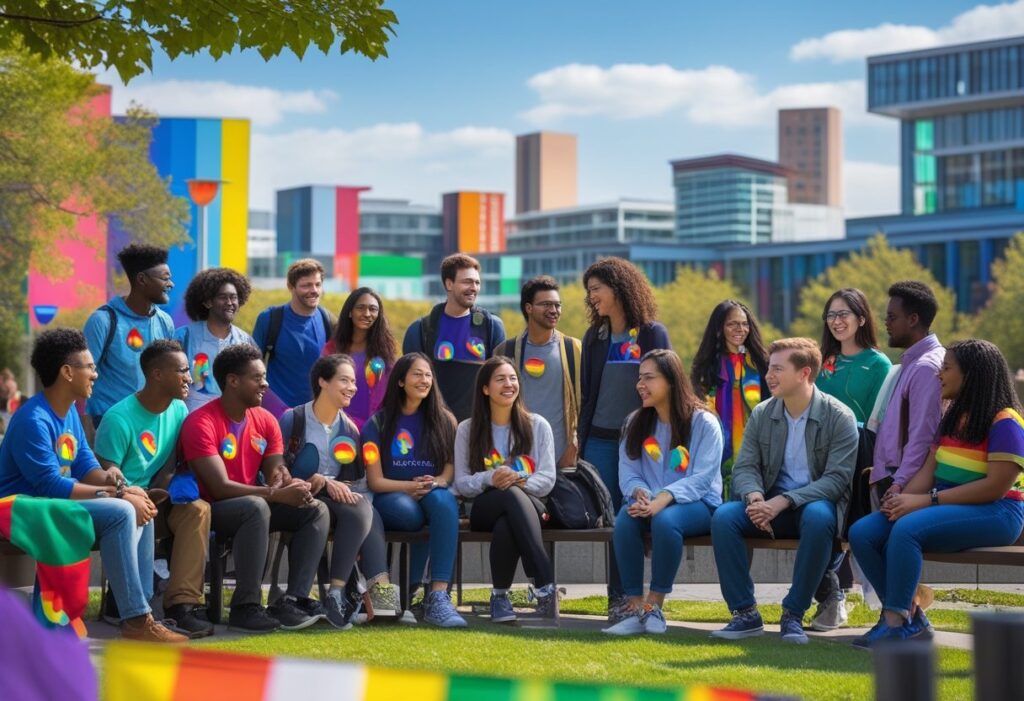
A country’s openness to LGBTQ+ students depends on rights, legal protections, and daily life experiences. Laws, community support, and personal safety shape how comfortable and accepted students feel.
LGBTQ+ Rights and Legal Protections
Legal systems play a big role in LGBTQ+ friendliness. Countries with strong anti-discrimination laws protect students from being treated unfairly because of their sexual orientation or gender identity. Marriage equality is a key marker, along with adoption rights and protection of gender identity.
Some nations also allow legal recognition of gender changes, making life much easier for transgender students. Laws banning conversion therapy or hate speech against LGBTQ+ people show clear support. The lgbtq+ safety index and lgbtq+ travel safety index often use these legal features to rate different countries. Having supportive laws gives international and local LGBTQ+ students peace of mind.
| Rights/Protections | Description |
|---|---|
| Same-sex marriage | Legal marriage for all |
| Adoption rights | LGBTQ+ can adopt children |
| Gender identity laws | Legal status for all genders |
| Anti-discrimination | Legal protection at school and work |
Social Acceptance and LGBTQ+ Community Life
Social acceptance affects students even more than laws. It shapes if they can show affection, join clubs, or take part in campus events without fear. In many places, active LGBTQ+ communities, pride events, and queer community centers create friendships and safe spaces.
Universities that support LGBTQ+ student groups help newcomers feel welcomed. A country’s culture, popular attitudes, and city life matter. When most of the population accepts LGBTQ+ people, students report feeling happier and safer. Resources like student stories or global studies show how everyday life changes when a country is more open.
Clubs, events, and visible LGBTQ+ culture all make a big difference. Feeling supported by classmates and professors boosts mental health and creates a better environment for learning.
Safety, Health, and Wellbeing
Safety goes beyond low crime rates. LGBTQ+ students need to know they won’t face danger or bullying just for being themselves. Countries that rank high on the lgbtq+ safety index offer students safe living spaces both in public and on campus.
Access to inclusive healthcare is another key factor. LGBTQ+ friendly countries usually provide gender-affirming care, mental health services, and HIV prevention programs. Some even have special clinics for LGBTQIA+ youth.
Discrimination protections in health, housing, and public services matter as much as physical safety. An environment that supports wellbeing lets students thrive, not just survive. When students know they can get help if needed, they can focus on studies and building friendships without extra stress.
Top Most Gay Friendly Countries for Students

Students looking for a positive and inclusive environment will find supportive laws, open communities, and vibrant pride festivals in several countries. These destinations offer strong protections and rich cultures, making them popular with LGBTQ students.
Netherlands
The Netherlands has long been known for its progressive attitude toward LGBTQ rights. Amsterdam, the capital, is a standout with a lively gay scene, famous clubs, and community spaces. Its annual Amsterdam Gay Pride parade is one of Europe’s biggest and most celebrated pride events.
Dutch universities often have LGBTQ student groups and support services. The country’s anti-discrimination laws protect students in both schools and public spaces. The welcoming culture, safe cities, and widespread English use make it easier for international students to adjust and feel at home. Most surveys and rankings place the Netherlands among the leading countries for LGBTQ inclusion.
Canada
Canada is widely recognized for its strong legal protections and social acceptance. Cities like Toronto, Montreal, Vancouver, Ottawa, and Calgary are known for being lgbt-friendly with many pride events happening every year. Toronto’s Pride Festival is one of the largest in North America, attracting visitors from around the world.
The Canadian Human Rights Act ensures equal protection for LGBTQ people. Universities offer student alliances, counseling, and support groups. International students find it easy to connect with local LGBTQ communities, partly because of Canada’s relaxed atmosphere and open-minded culture. Students in Canada enjoy the benefits of living in a country that celebrates diversity in daily life.
Sweden
Sweden is known for its high level of safety and inclusion for LGBTQ individuals. In cities like Stockholm and Gothenburg, students have access to both support systems and vibrant cultural events. Stockholm Pride and West Pride in Gothenburg are highlights with parades, workshops, and community gatherings.
Swedish colleges and universities often have dedicated LGBTQ offices or organizations. Anti-discrimination laws protect students in school and in the workplace. English is widely spoken, making integration easier for international students. Public attitudes are open-minded, and many Swedish cities regularly rank as some of the most LGBTQ-friendly in Europe.
Spain
Spain stands out for its vibrant LGBTQ culture and welcoming universities. Major cities like Madrid, Barcelona, Valencia, Seville, and Granada all host active pride festivals, with Madrid’s Gay Pride event being one of the largest in Europe.
Spanish schools often have LGBTQ groups, making it easier for students to find friends and support. Legal protections are strong, and many public institutions have policies against discrimination. The lively culture means LGBTQ students enjoy nightlife, community events, and social opportunities outside the classroom. Spain’s history of activism has made it a top choice for those looking for both freedom and community in their study abroad experience.

Other Leading Destinations for LGBTQ+ Students
Several countries offer open, safe, and welcoming environments for LGBTQ+ students. National policies, visible support networks, and inclusive campus cultures are what set these places apart.
Germany
Germany stands out in Europe for its progressive LGBTQ+ rights, especially in cities like Berlin and Hamburg. Both cities have thriving queer communities, annual Pride celebrations, and numerous organizations to help new students feel included.
Universities in Germany often have student groups that focus on LGBTQ+ issues. Equal treatment is a legal right, with anti-discrimination laws protecting both residents and temporary students.
Affordable education is another benefit, as public universities charge little or no tuition for most students. Access to health care and student housing welcomes students of all backgrounds. Students can also explore rich cultural scenes—from museums to nightlife—with LGBTQ+ safe spaces and events available year-round.
Quick details:
- Top cities: Berlin, Hamburg, Munich
- Laws: Same-sex marriage allowed, broad anti-discrimination protections
- Campus life: Active LGBTQ+ student groups, campus events
Australia
Australia is known for its friendly population and visible LGBTQ+ culture, particularly in cities such as Sydney and Melbourne. Laws protect same-sex couples and actively prohibit discrimination based on sexual orientation or gender identity.
A wide variety of universities offer support services for LGBTQ+ students, including counseling and campus clubs. Australian campuses host Pride events and often have gender-neutral restrooms and safe spaces for queer students.
International students benefit from the country’s focus on multiculturalism and inclusion. Many local communities have LGBTQ+ social networks, festivals, and advocacy groups. Students can enjoy outdoor activities and vibrant arts scenes, all while feeling safe to express their identities.
Highlights:
- Major cities: Sydney, Melbourne, Brisbane
- Legal landscape: Marriage equality, anti-discrimination laws
- Support: Student resources, counseling, annual Mardi Gras parade in Sydney
Iceland
Iceland consistently ranks among the most LGBTQ+-friendly countries in the world. Reykjavik, its capital, is known for a warm and accepting social climate. The country passed marriage equality laws early and actively supports LGBTQ+ rights at both local and national levels.
Universities in Iceland encourage openness and diversity, with support groups available on many campuses. Safety in public spaces is notable, and hate crimes against queer people are rare. Students enjoy easy access to nature and unique cultural experiences, such as Reykjavik Pride and inclusive music festivals.
Daily life in Iceland is relaxed, with clear laws protecting sexual orientation and gender identity. International students find it easy to adapt and take part in local LGBTQ+ events.
At a Glance:
- Main city: Reykjavik
- Legal status: Marriage and adoption rights, anti-discrimination protections
- Campus: Support groups, inclusive policies, community alliances
Malta
Malta is recognized as one of the most advanced countries in Europe for LGBTQ+ protections. The capital city, Valletta, has played a big role in changing attitudes and building acceptance island-wide.
Laws in Malta not only allow same-sex marriage but also lead Europe in transgender rights and anti-discrimination protections. Universities work closely with advocacy groups to provide support and information for LGBTQ+ students.
Local events, such as Malta Pride, attract thousands each year. The country offers a safe, peaceful study environment, and English is an official language which makes adapting easier for many international students. LGBTQ+ people are visible in all walks of life, and allies are active in schools and communities.
Key Facts:
- Primary city: Valletta
- Legal protections: Marriage equality, gender recognition laws, broad anti-discrimination acts
- Support networks: Campus groups, partnerships with national organizations, annual Pride events
FREE INSIDER’S GUIDE

Top 5 English-Taught Colleges in Europe
Kickstart you education abroad with a powerful degree taught entirely in English, all without taking on any student loans!
LGBTQ+ Student Life in South America
When it comes to safety, acceptance, and support, some South American countries stand out for their positive approach to LGBTQ+ student life. Access to resources and a sense of belonging can help students feel comfortable and included.
Uruguay
Uruguay is often recognized as one of the most progressive countries in South America for LGBTQ+ people. The capital, Montevideo, offers many gay-friendly spaces and support groups for youth. Schools and universities in Uruguay are known to have anti-bullying policies, and teachers often receive training on diversity.
Support services like counseling for LGBTQ+ students are available in many public institutions. There are pride events and cultural celebrations throughout the year, making it easy for students to find community and make friends. Many international organizations praise Uruguay for its legal recognition of same-sex relationships and protections for LGBTQ+ rights.
Students in Montevideo can also attend events and clubs focused on LGBTQ+ experiences. The city’s atmosphere is open-minded, and students often feel safe being themselves.
Argentina
Argentina stands out as a leader in South America for LGBTQ+ rights. It was the first country in the region to legalize same-sex marriage. Universities and schools in larger cities like Buenos Aires provide inclusive spaces and have active student LGBTQ+ groups.
Students have access to educational workshops, mental health resources, and peer support. Anti-discrimination laws protect students from harassment at school and in public places. Teachers are encouraged to create a welcoming classroom environment for everyone.
Student life in Argentina also gets a boost from annual Pride parades and community events. These celebrations support visibility and provide safe spaces for LGBTQ+ youth to connect and express themselves without fear. For more information about school climate and LGBTQ+ experiences in Latin America, visit this report from the GLSEN Research Institute.

Emerging Gay Friendly Study Destinations
Several countries are becoming popular for LGBTQ+ students by offering safety, open communities, and strong legal rights. Each offers a mix of supportive policies, active LGBTQ+ scenes, and welcoming local cultures.
Portugal
Portugal often appears on lists of lgbt-friendly countries due to its progressive laws and positive attitudes. Discrimination based on sexual orientation has been illegal for years. Same-sex marriage is legal, and the government actively supports LGBTQ+ rights. Lisbon and Porto have growing queer communities and student organizations.
Most universities in Portugal have LGBTQ+ groups and offer support services. Housing and safety are not usually big concerns for gay students. Pride events are celebrated across the country. The cost of living is lower compared to other Western European countries, making it attractive for international students.
Thailand
Thailand is famous for its lively LGBTQ+ culture. Bangkok, Chiang Mai, and Phuket have visible gay communities, and the country’s attitude towards gay, lesbian, and transgender people is considered tolerant. Universities are increasingly welcoming and promote inclusive environments.
Thailand allows legal name and gender changes, even though same-sex marriage is not yet legal. Many students find support in campus clubs and open-minded classrooms. Public events like Bangkok Pride highlight the country’s diversity. Thailand’s affordability and friendly locals also attract lgbtq+ students.
Learn more about how new gay communities appear in different countries by checking this research on gay spaces.
Belgium
Belgium is recognized as one of the most lgbt-friendly countries in the world. Same-sex marriage and adoption have been legal for nearly two decades. Discrimination laws and hate crime protections are strong. Brussels, Ghent, and Antwerp provide vibrant LGBTQ+ scenes.
Universities in Belgium typically have student-led LGBTQ+ networks. Support services, counseling, and events are available on campus. Belgium’s central European location makes it easy for students to travel and meet people from across the continent. Many international students mention feeling safe and welcome throughout their studies.
United Kingdom
The United Kingdom has a long history of advancing LGBTQ+ rights. Protection from discrimination in schools and workplaces is enforced by law. Major cities like London, Manchester, and Brighton are famous for their diverse queer communities.
UK universities offer dedicated support for lgbtq+ students, including clubs, counseling, and safe spaces. Pride festivals and awareness campaigns are part of campus culture. Students can participate in national LGBTQ+ events and benefit from active advocacy groups. According to a systematic review, UK study programs focus on keeping students safe, included, and informed during their stay.
Study Abroad: Practical Considerations for LGBTQ+ Students
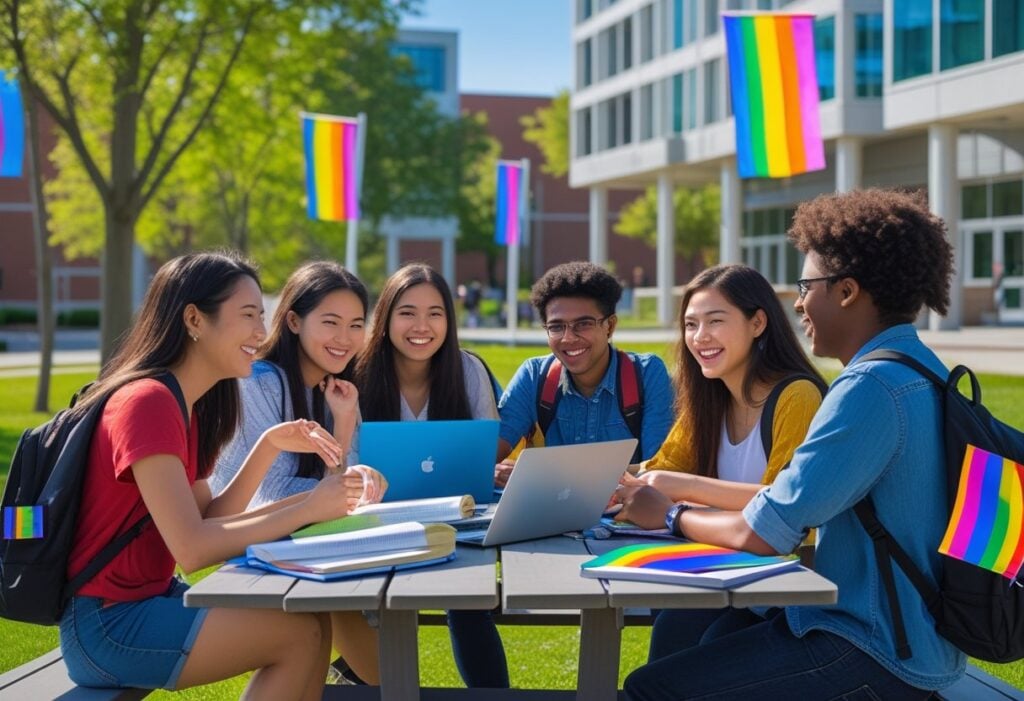
Choosing where to study abroad involves looking at how welcoming the country is for LGBTQIA+ students. Safety, inclusivity, and campus resources all play a big part in a positive experience for gay-friendly travel.
Education Systems and Campus Inclusivity
Education systems differ around the world in how they support LGBTQIA+ students. Some universities have clubs, counseling, and open events focused on diversity. They might also provide gender-neutral bathrooms and clear policies against discrimination.
Students can research universities through equality maps or community reviews like Equaldex to see how open and accepting each campus is. Many gay-friendly countries have programs that connect LGBTQ+ students with mentors or provide online spaces for peer support before and after arriving. Peer networks and visible LGBTQ+ groups can help international students feel less isolated in a new environment.
Policies vary, so it is important to review if there are anti-discrimination laws in place both in schools and in the country. In addition, some universities offer specialized orientation sessions for LGBTQIA+ travelers and sensitivity training for staff. These resources make a big difference in students’ daily safety and sense of belonging.
Travel Tips and LGBTQ+ Resources
Before traveling, students should check visa requirements and health insurance, including coverage for hormone therapy or other specific needs. It also helps to know local laws about LGBTQIA+ rights, as they change from country to country. Websites like Equaldex and other LGBTQ+ travel guides offer up-to-date information about legal protections.
Packing tips can include bringing pride symbols, but being mindful of places where these items might attract unwanted attention. Before leaving, students can connect with LGBTQ+ organizations in the host country. Many countries offer hotlines, local meet-ups, or safe spaces for international students to turn to if problems arise.
Emergency contacts should be saved, including embassy numbers and local LGBTQ+ support groups. Some schools have partnerships with global LGBTQ+ advocacy groups, making it easier for students to access help and advice while abroad. Traveling with a plan and knowing where to get assistance gives students more freedom and confidence during their study abroad experience.
Legal and Social Challenges Still Facing LGBTQ+ Students Abroad
LGBTQ+ students often find that support and protections vary a lot between countries. Laws, campus policies, and social attitudes can shape their experiences and opportunities.
Anti-Discrimination Protections and Gaps
Some countries have strong anti-discrimination laws that protect LGBTQ+ students from harassment at school and in society. These laws can cover education, housing, work, and public spaces. For example, Canada and much of Western Europe have legal protections for LGBTQ+ people in schools and universities.
However, gaps in these protections still exist, even in countries considered safe. In the United States, protections can depend on state law or even decisions by individual schools. Some countries, especially in Asia and Eastern Europe, may lack explicit laws to protect students or offer only limited legal support. In these places, LGBTQ+ students might face discrimination with little to no legal recourse.
Social attitudes also play a major role. Even where laws exist, negative views from classmates, staff, or the local community can lead to bullying, social isolation, or exclusion.
Key Points:
- Legal protections are not equal everywhere
- School policies and local attitudes influence safety
- Students may face both legal and social barriers
Trans and Gender Diverse Student Rights
Trans and gender diverse students often face more specific challenges with gender identity and gender change laws. In some countries, people can change their legal gender with a simple declaration, while others may require invasive procedures or long waits. For example, many European countries allow for easier gender marker changes compared to parts of Asia.
Access to hormone therapy or medical support varies by country and even by city. Some healthcare providers in the UK, Australia, or Canada offer supportive care, but others make it hard or impossible for trans students to access care. School systems may not always support gender self-determination, using outdated policies or denying the use of chosen names and pronouns.
These students might also face higher risks of discrimination or violence, especially in countries where being trans is strongly stigmatized. This creates barriers for students who simply want to study and live openly.
Conversion Therapy and Policy Differences
Conversion therapy, which tries to change a person’s sexual orientation or gender identity, is now illegal in some countries but legal in others. Countries like Germany, France, and Canada have banned this practice, offering protection to LGBTQ+ youth. However, some countries have no laws at all, letting these harmful practices continue.
The lack of a global standard creates confusion for students moving between countries. Even when banned at the national level, enforcement may be weak at the local level, so students may still encounter risk. International students might not know what protections are in place or where to seek help if targeted.
Table: Conversion Therapy Laws in Selected Countries
| Country | Legal Status | Notes |
|---|---|---|
| Canada | Banned | Full ban, including advertising |
| Germany | Banned (minors only) | Ban covers youth under age 18 |
| United States | Varies by state | No federal ban; patchwork of laws |
| Japan | No ban | No national laws against conversion |
| France | Banned | Recent laws protect LGBTQ+ people |
Students need to know local policies to protect themselves from these practices and understand their rights before traveling.
Celebrating Pride: Events and Community Across Borders
Students can take part in events that bring people together and celebrate LGBTQ+ identities. These celebrations support visibility, acceptance, and the chance to meet like-minded friends.
International Pride Festivals and Student Participation
Pride Month is a big event each year. It takes place in June and is marked with festivals, parades, and activities in many countries. Cities like New York, London, and Stockholm hold some of the world’s largest Pride events.
Attending a Pride festival lets students join local LGBTQ+ communities and allies. Pride parades are often lively, with floats, music, and people wearing bright colors. For students studying abroad, joining events like Stockholm Pride can be a great way to make friends, learn about the local culture, and show support.
Student groups and university clubs often have their own floats or take part in these festivals. Some even organize events like open mic nights, film screenings, and information sessions. This helps make everyone feel welcome and supported.
LGBTQ+ Flags, Symbols, and Visibility
Seeing LGBTQ+ flags and symbols at Pride events sends a strong message of inclusion. The rainbow flag, designed by Gilbert Baker in 1978, is the best-known symbol. This flag stands for diversity and unity within the LGBTQ+ community.
In addition to the rainbow flag, there are others for specific identities, such as the bisexual flag, transgender flag, and more. Flags are commonly seen on banners, T-shirts, face paint, or even as pins during Pride Month and other events.
Displaying flags and symbols helps students feel they belong. It gives people an easy way to show their identity or support their friends. Pride festivals around the world use these symbols to help make the LGBTQ+ community more visible and proud.
Conclusion
Many students look for safe and accepting countries when thinking about studying abroad. Choosing a country friendly to LGBTQIA+ people can make a big difference.
Nations with strong LGBTQIA+ rights often have laws that protect against discrimination and promote equality. These places also tend to have more positive attitudes and better resources for LGBTQIA students, as shown in this research about global differences.
Some signs of a welcoming country include:
- Legal protection for LGBTQIA+ people
- Anti-bullying and anti-discrimination policies in schools
- Active support groups on campuses
Students in these environments may feel safer and more supported. They are more likely to find friends and staff who respect their identity. This can make adapting to a new country much easier.
When looking at where to study, it helps to check for community groups, events, or student organizations focused on LGBTQIA+ support. Many European countries are known for open attitudes, but every place is different. Checking recent surveys, campus policies, and student stories can help make a smart choice.
A positive environment allows LGBTQIA+ students to focus on their studies and enjoy their time abroad. With the right information, anyone can find a country where acceptance and equality matter.