Best Universities in South Africa
College in the U.S. can easily run anywhere from $30,000 to $80,000 a year. And even if you’re a strong student, admissions can feel like a bit of a gamble.
What a lot of families don’t realize is this: you can earn a fully accredited bachelor’s degree abroad, in English, for much less. Not just a semester. The whole degree.
And this is where things get interesting. South Africa has been quietly building a reputation as a great option for international students who want solid academics without the massive price tag.
Summary
Why South African Universities Are Gaining Global Attention
South Africa has had strong universities for a long time. What’s changing now is how many international students are starting to notice. A few key reasons stand out:
1. Degrees Are Taught in English
Most programs are fully in English, which removes a major hurdle for U.S. students.
2. Globally Recognized Universities
Several schools rank in the global top 500 and are well respected internationally.
3. Lower Costs Without Cutting Corners
Tuition and living expenses are much lower than in places like the U.S., UK, or Australia, but the education quality still holds up.
4. Strong Academic Areas
South Africa is especially known for programs in:
- Business and economics
- Engineering
- Environmental science
- Public health
- Political science and international relations
5. Clear, Predictable Admissions
Unlike the U.S. system, which can feel subjective, most South African universities focus on:
- GPA requirements
- Specific course prerequisites
- Standardized scoring systems
In other words, you usually know where you stand.
Best Universities in South Africa for International Students
Let’s take a closer look at some of the top options. These universities consistently rank well and offer strong English-language programs.
University of Cape Town (UCT)
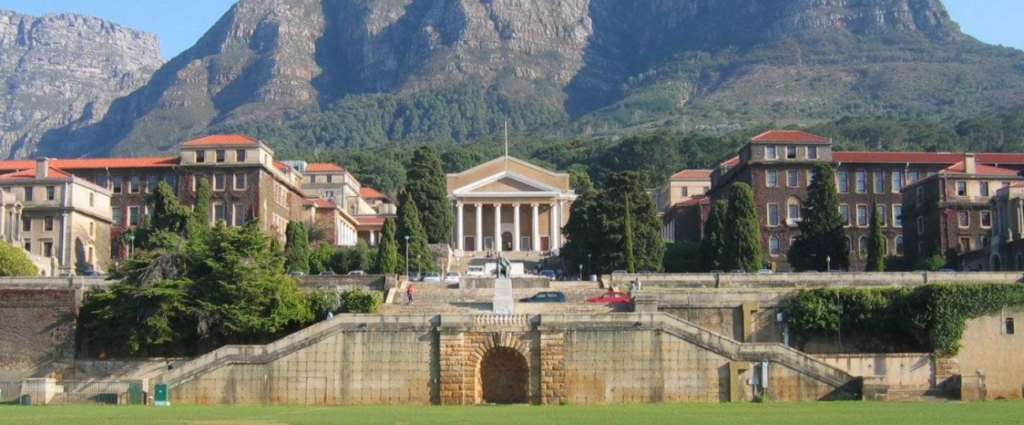
- Highest-ranked university in Africa
- Especially strong in business, law, and social sciences
- Located in Cape Town, one of the most international cities on the continent
University of the Witwatersrand (Wits)
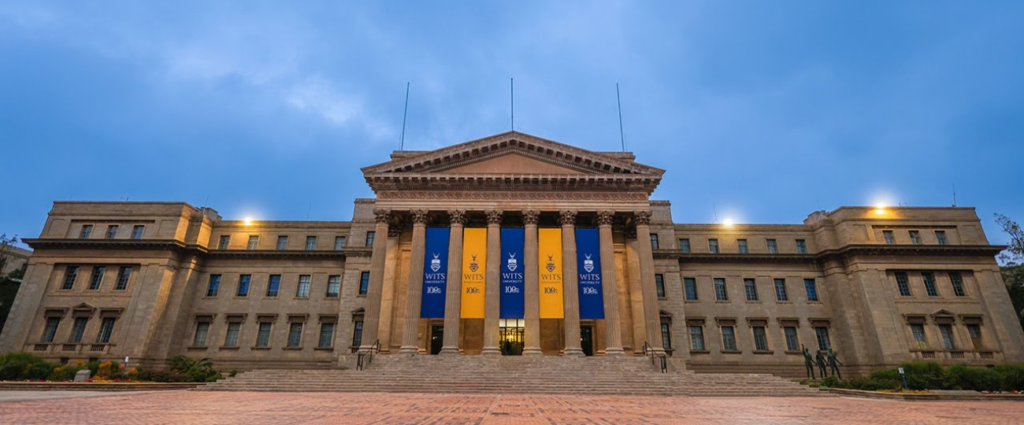
- Known for research and innovation
- Great for engineering, health sciences, and humanities
- Based in Johannesburg, the country’s economic center
Stellenbosch University
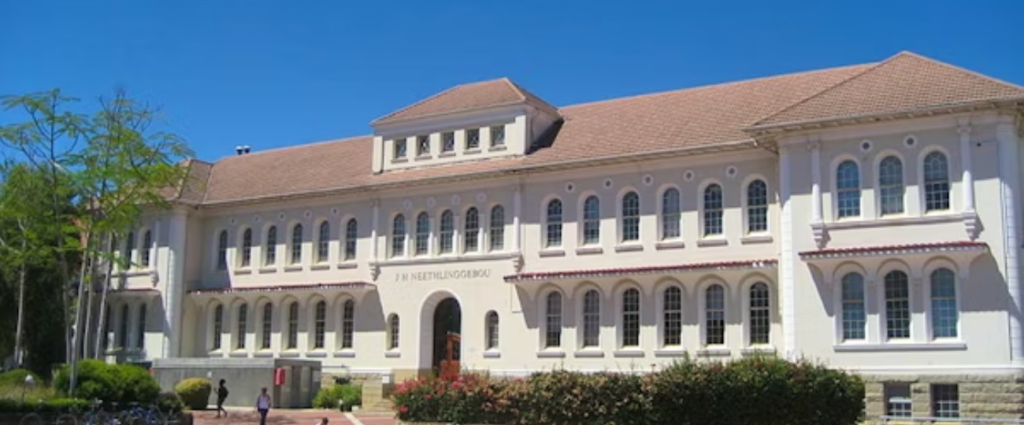
- Well regarded for business, science, and engineering
- Offers both Afrikaans and English programs (many fully in English)
- Strong support for international students
University of Pretoria
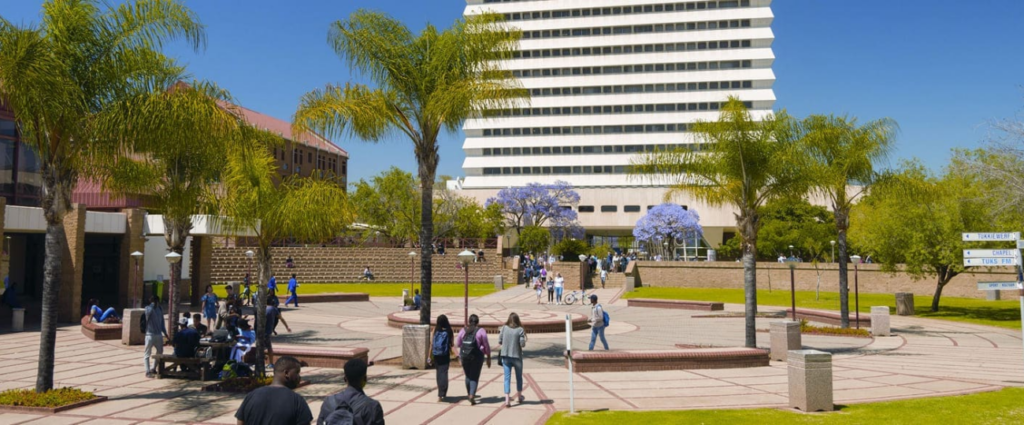
- Large, research-focused university
- Strong programs in agriculture, engineering, and law
- Wide selection of English-taught degrees
University of Johannesburg
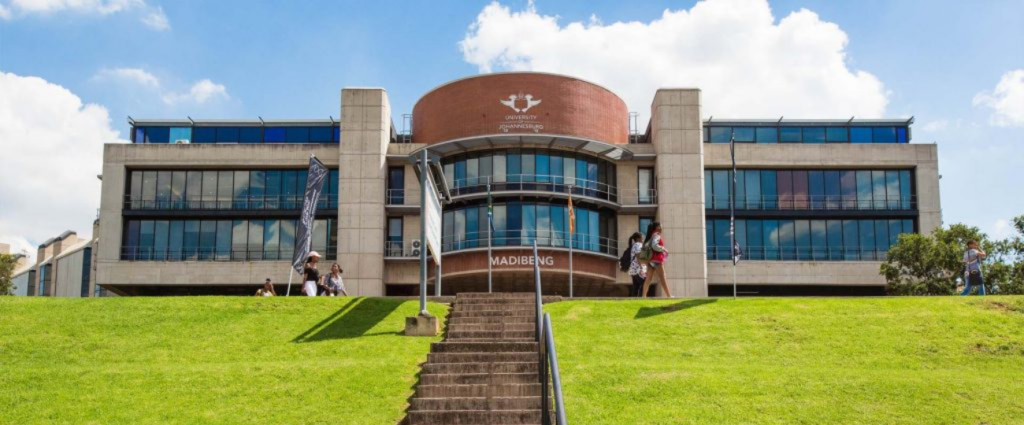
- More modern and career-focused
- Strong connections with industry
- Growing international reputation
Benefits of Studying in South Africa
So why would a U.S. student actually go this route?
Academic Value
- Degrees are accredited and recognized globally
- Strong teaching and research
- Graduates can move on to jobs or grad school worldwide
Financial Advantage
- Tuition often ranges from $3,000 to $8,000 per year
- Housing and daily expenses are much more affordable
Cultural Exposure
- A diverse, multilingual environment
- Classrooms with a more global mix of perspectives
Career Opportunities
- Growing industries in areas like mining, finance, and tech
- Internship opportunities in key sectors
Lifestyle
- Cities like Cape Town offer a high quality of life
- Easy access to beaches, nature, and cultural activities
Student Life in South African Universities
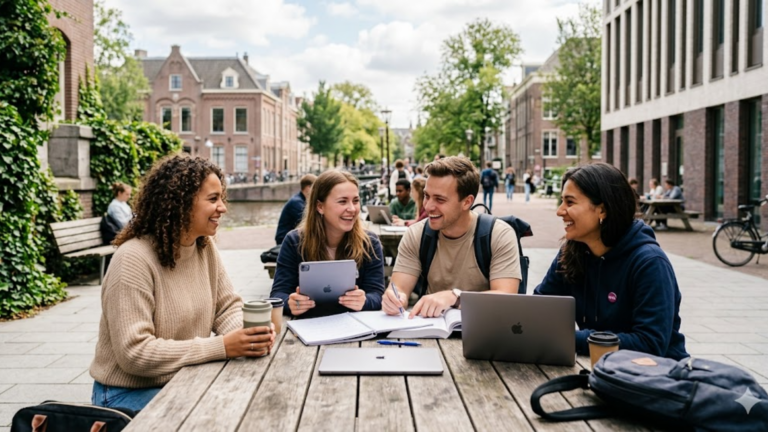
Student life tends to revolve around campus. It’s structured, social, and easy to get involved, whether that’s through clubs, events, or just day-to-day university life.
What to Expect
1. Campus Communities
Most students either live in university housing or close by. In smaller towns like Stellenbosch you’ll really feel that tight-knit campus vibe. People tend to know each other, and it’s easier to get involved.
2. Clubs and Activities
Campus life is active. Sports, in particular, are a big deal. Beyond that, there are plenty of student groups academic, cultural, social you name it.
3. Academic Structure
The system is a bit more structured than what many U.S. students are used to. You’ll have fewer electives and spend more time focused on your specific field. Classes are often a mix of larger lectures and smaller tutorial sessions where things get more interactive.
4. Social Environment
You’ll be surrounded by a mix of local and international students, which adds a lot to the experience. Events, traditions, and student societies play a big role in daily life.
One thing to keep in mind: especially in your first year, most of your social life will revolve around campus rather than independent, off-campus living.
Can International Students Work in South Africa?
This comes up a lot, and for good reason.
The short answer
Yes, but there are limits.
What the rules usually allow
- You can work part-time (up to 20 hours per week)
- Your job can’t interfere with your studies
- You’ll need a valid student visa
What to expect in reality
- Jobs aren’t guaranteed, and competition can be tough
- Pay is generally lower than in the U.S.
- Most students don’t rely on work to cover major expenses
Common student jobs
- On-campus roles
- Tutoring
- Retail or hospitality work
Bottom line: part-time work can help with everyday expenses, but it shouldn’t be your main financial plan.
Cost of Studying in South Africa for International Students
Here’s a clear look at what you might spend each year:
Estimated Annual Costs
| Expense Category | South Africa (USD) | U.S. (USD) |
| Tuition | $3,000–$8,000 | $20,000–$60,000 |
| Housing | $3,000–$6,000 | $10,000–$15,000 |
| Food & Living | $2,000–$4,000 | $5,000–$10,000 |
| Total | $8,000–$18,000 | $35,000–$80,000 |
A few things stand out:
- Total costs are often less than half of what you’d pay in the U.S.
- Degrees are still well-recognized
- Scholarships exist, but many students don’t need them because costs are already lower
For a lot of families, this alone changes the conversation.
How to Apply to Universities in South Africa
The process is usually more straightforward than people expect.
Step-by-step
- Choose your program
You’re applying directly to a specific degree not just the university in general. - Check entry requirements
Schools clearly list what they want, including:- Minimum GPA
- Required high school subjects
- Specific grade thresholds
- Submit your application online
This typically includes:- Transcripts
- A copy of your passport
- An application fee
- Receive your offer
This could be conditional or final. - Apply for your student visa
Timeline
- Applications usually open: April–September
- Deadlines: August–October (varies by school)
- Start date: January or February
Important detail: South Africa follows a Southern Hemisphere academic calendar, so everything starts earlier than many U.S. students expect.
Common Mistakes When Applying to South African Universities
A few things tend to trip people up:
1. Applying too late
Deadlines come sooner than you might think.
2. Ignoring subject requirements
Some programs require specific high school courses this matters.
3. Expecting holistic admissions
This isn’t like the U.S. If you meet the criteria, you’re in. If you don’t, you’re not.
4. Not understanding the degree structure
You specialize right away. Switching majors later isn’t as easy.
5. Waiting too long on the visa
Start early. Delays happen.
Who Is This a Good Fit For?
South Africa isn’t for everyone, but for the right student, it works really well.
Students who:
- Want a full degree abroad (not just a semester)
- Are okay being farther from home
- Care about affordability without giving up quality
- Prefer clear, straightforward admissions
- Are interested in global perspectives or careers
Families who:
- Want predictable, transparent costs
- Are open to international education options
- Think in terms of long-term value
Common Misconceptions About Studying in South Africa
Let’s clear up a few things people often get wrong.
“Degrees won’t be recognized in the U.S.”
Not true. South African degrees are widely respected and accepted.
“It’s only for study abroad”
Also not true. Many students complete full degrees there.
“It’s unsafe everywhere”
That’s an oversimplification. Like any country, safety depends on location and personal choices.
“Admissions are easier”
Not exactly. They’re more transparent, but not necessarily easier.
Frequently Asked Questions
We’re here to help answer your questions about Best Universities in South Africa
Yes. Top universities are globally accredited and accepted by U.S. graduate schools and employers.
Yes. Many universities offer full degree programs in English.
It depends on the program, but requirements are usually clearly listed. More competitive programs expect stronger grades.
Most are 3 years, though some (like engineering) take 4.
Sometimes. It depends on visa rules, but part-time work is often allowed with limits.
Yes, but many students rely on the lower tuition instead of large scholarships.
A Final Thought
South Africa brings together respected universities, English-taught degree programs, and much lower tuition and living costs compared to many other destinations. It’s not always the first place students think of, but for the right person, it can be a very practical option.
If you’re looking at completing a full degree abroad rather than a short-term exchange, it’s worth taking a closer look.
At Beyond The States, we help students sort through accredited programs that actually match their goals and budget. You can explore options, take our quiz, or book a strategy session. If you want more structured support, there’s also the Platinum Admissions package.