Best Countries for International Students
Most U.S. families go into the college search expecting to spend $100,000 or more on a bachelor’s degree. And honestly, that’s often true. But it’s not the only option.
What many families don’t realize is this: you can earn a fully accredited, internationally recognized degree in Europe, taught entirely in English, for much less. Not just a semester abroad, but a full degree from start to finish.
And that’s where things start to look different.
Summary
Best Countries for International Students
If you’re trying to figure out the best fit, you’ll want to weigh a few key things:
Cost of living
Availability of English-taught programs
Visa rules and work options
Tuition costs
Whether the degree is recognized in the U.S. and globally
Let’s take a closer look.

Top Countries at a Glance
| Country | Tuition (per year) | Cost of Living | English Programs | Work While Studying | Post-Grad Visa |
| Netherlands | $8,000–$15,000 | Moderate | Extensive | Yes | Yes (1 year) |
| Germany | $0–$3,000 | Low–Moderate | Growing | Yes | Yes (18 months) |
| Ireland | $10,000–$20,000 | Higher | Extensive | Yes | Yes (2 years) |
| Sweden | $8,000–$15,000 | Higher | Strong | Yes | Yes |
| Italy | $1,000–$4,000 | Low–Moderate | Growing | Yes | Yes |
Most Affordable Countries for International Students
If keeping costs down is your top priority, a few countries stand out.

🇩🇪 Germany
When evaluating the best countries for international students, you’re looking at a mix of factors:
Public universities often have no tuition
Semester fees: ~$300–$500
Cost of living: $900–$1,200/month
Here’s what that means: You can complete a full degree for under $20,000 total in many cases.
🇮🇹 Italy
- Tuition based on family income (often very low)
- Strong scholarship systems
- Lower cost of living outside major cities

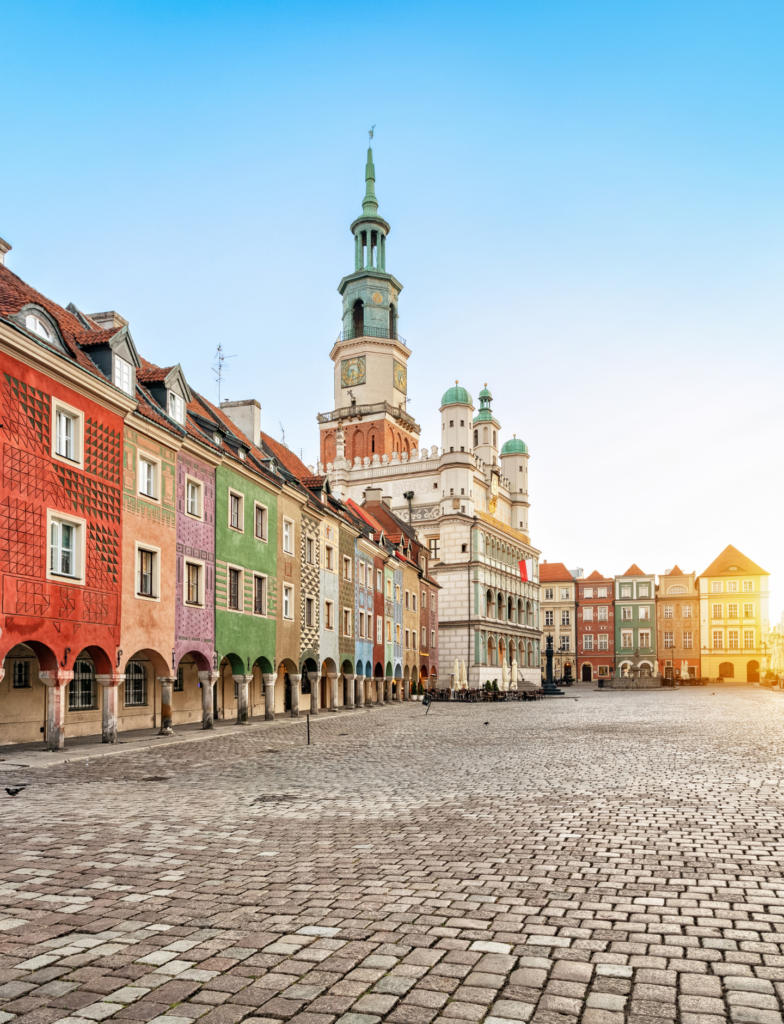
🇵🇱 Poland
When evaluating the best countries for international students, you’re looking at a mix of factors:
Tuition: $2,000–$6,000/year
Living costs among the lowest in Europe
Increasing number of English-taught degrees
These are among the most affordable countries for international students, especially for families trying to avoid U.S.-level debt.
Cost of Living in Europe for International Students
Tuition is only part of the picture. Living costs can vary quite a bit depending on where you go.
Monthly Cost Breakdown (Average)
| Category | Low-Cost Country | Mid-Range | High-Cost |
| Housing | $300–$600 | $600–$900 | $900–$1,500 |
| Food | $200–$350 | $300–$500 | $400–$700 |
| Transport | $30–$70 | $50–$100 | $80–$150 |
| Misc | $100–$200 | $150–$300 | $200–$400 |
What to expect:
Eastern and Southern Europe are generally cheaper
Northern Europe is more expensive but offers strong support systems
Student housing and subsidies often reduce real costs
Even in higher-cost countries, though, total expenses can still be lower than many U.S. college towns.

English-Speaking Countries in Europe for Students
You don’t need to speak another language to study in Europe.
Many English-speaking countries in Europe for students offer full degrees entirely in English.
Top Options
🇳🇱 Netherlands
Over 2,000 English-taught programs. One of the easiest transitions for U.S. students.🇮🇪 Ireland
Fully English-speaking, culturally familiar, strong ties to U.S. employers.🇸🇪 Sweden
Highly innovative universities, strong English proficiency nationwide.🇩🇰 Denmark
Excellent education system and student support.
Even in countries like Germany or Italy, you’ll find entire degree programs are offered in English.
Discover all the English-taught European college programs in one place.
Beyond the States provides easy access to 12,600+ European bachelor’s and master’s programs across 870 universities, 550 cities, and 212 areas of study, plus all the resources you need to get there.
3400+
English-taught bachelor’s programs in our database.
550
Beautiful European cities to choose from.
$360,170
Typical savings against a private university in the US.
8200+
English-taught master’s programs in our database.
870
Top-tier universities accepting international students.
$65,038
Typical savings against in-state tuition in the US.
Student-Friendly Countries in Europe
It’s not just about academics. A good student experience also depends on things like:
How easy it is to settle in
Campus support services
Housing availability
Transportation
Social life
Standout Countries
🇳🇱 Netherlands – very international and well-structured
🇩🇪 Germany – practical, career-focused education
🇪🇸 Spain – great balance between academics and lifestyle
🇫🇮 Finland – strong support systems for students
But wait.
European universities also tend to have:
Clear course structures
Fewer general education requirements
Faster degree completion timelines
For many students, that’s a big plus.
Safest Countries for International Students in Europe
Safety is a major factor for families., and several European countries consistently rank highly:
🇫🇮 Finland
🇩🇰 Denmark
🇸🇪 Sweden
🇳🇱 Netherlands
🇨🇭 Switzerland
These countries score well in
Public transportation reliability
Healthcare access
Here’s what that means: students can live independently with a good level of support.
Scholarships for International Students in Europe
Yes, scholarships are available, and they’re often simpler than what you’d deal with in the U.S.
Types of Scholarships
Government-funded programs
University merit scholarships
Need-based tuition reductions
Regional grants
Countries with Strong Options
🇩🇪 Germany – DAAD scholarships
🇸🇪 Sweden – Swedish Institute scholarships
🇳🇱 Netherlands – Holland Scholarship
🇮🇹 Italy – Regional grants based on income
That said, lower tuition already reduces how much financial aid you actually need.
Looking for Scholarships Abroad?
Start Here.
Find Funding for Your Degree or Program
Explore the Beyond The States scholarship database. Filter by country, field, and eligibility to identify scholarships that reduce tuition and living costs.
Visa Requirements for International Students in Europe
The visa process in most European countries is fairly straightforward.
General Requirements:
Proof of university acceptance
Financial proof (usually $10,000–$15,000/year)
Health insurance
Valid passport
Processing times:
4 to 12 weeks in most countries
One key difference: admissions are generally based on academic qualifications, not subjective factors like essays or extracurriculars.
Work While Studying in Europe for International Students
Most countries allow international students to work part-time.
Typical Rules:
15–20 hours per week during the semester
Full-time during holidays
Benefits:
Offset living costs
Gain international work experience
Build connections for post-grad employment
Countries like Germany and the Netherlands also offer strong post-graduation work options.
Who Is This a Good Fit For?
Studying abroad for your full degree isn’t for everyone, but it can be a great fit if you:
Good fit if you:
Want to significantly reduce college costs
Prefer a clear, structured admissions process
Are comfortable being independent
Have a specific academic focus
Want international career exposure
Less ideal if you:
Want a traditional U.S. campus experience
Rely heavily on sports or campus activities
Prefer to explore different majors before deciding
Common Misconceptions
“Degrees from Europe aren’t recognized in the U.S.”
Not true. Most are internationally accredited and widely accepted.
“You have to speak another language”
Also not true. Thousands of programs are fully in English.
“It’s only for elite students”
Admissions are often more transparent, and sometimes more accessible than selective U.S. schools.
“It’s complicated”
Different, yes. But often simpler, with fewer moving parts.
Frequently Asked Questions
We’re here to help answer your questions about Best Countries for International Students
It depends. The Netherlands is known for strong English programs, Germany for affordability, and Ireland for familiarity and job opportunities.
Germany is usually the lowest cost. Italy and Poland are also very affordable.
Yes, most countries allow part-time work.
Yes, accredited European degrees are recognized globally.
Typically $10,000 to $25,000 per year, including tuition and living expenses.
Final Thoughts
The idea that college has to cost six figures doesn’t really hold up anymore.
There are high-quality, English-taught degrees across Europe at a much lower price point. The challenge isn’t whether they exist, it’s knowing where to look and how to navigate the process.
That’s where we come in.
If you’re exploring the best countries for international students, start by reviewing vetted programs and comparing your options. You can also take the Beyond The States quiz or book a strategy session to map out a plan that fits your goals and budget.