What’s the Safest Country in the World
It’s important to know which countries are safest when you’re traveling, study abroad or moving abroad in general. With so much information online, it can be hard to get a straight answer.
Iceland is widely ranked as the safest country in the world based on the Global Peace Index and similar studies.
Iceland stands out due to its low crime rates, strong social support, and good quality of life. Other countries in Europe and Asia, like New Zealand, Denmark, and Singapore, also appear in the top lists for safety. Travelers, students and people looking to move often pick these places because of their safety records.
Summary
Defining Safety in Countries
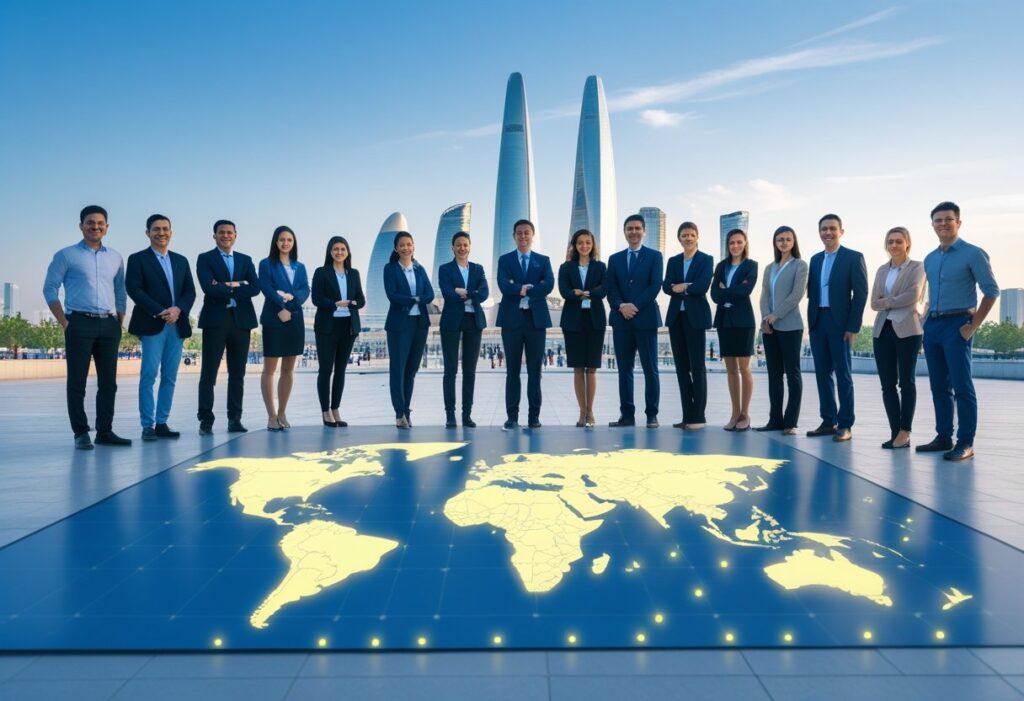
Safety in a country includes many factors like crime, quality of life, peace, and personal security. Experts use different data and methods to decide which countries are safest.
What Makes a Country Safe
A safe country is one where people can go about their daily lives with little fear of crime or violence. Low crime rates, both violent and petty, are important. Police trust and fairness also matter.
Stable governments and low corruption rates help create a sense of societal safety. Access to healthcare, clean water, and education adds to a community’s feeling of security.
Peaceful countries usually have strong respect for human rights. Political stability and good relationships with neighbors further improve personal security. Safety is not just about the absence of danger, but also the presence of a stable, fair, and supportive environment.
Common Safety Indicators
Several key indicators help measure a country’s safety. The Global Peace Index uses categories such as violent crime rate, number of police officers per capita, political stability, and incidence of internal and external conflict.
Other important indicators include:
- Homicide rates
- Terrorist activity
- Road safety and traffic accident data
- Disaster preparedness
The World Happiness Report often connects higher happiness with better safety and societal safety and security.
Quality of life surveys consider health care quality, social support, and free access to information as safety factors. For families, low rates of bullying and safe public spaces are also critical.
Understanding Safety Rankings
Safety rankings compare countries using a mix of statistics and expert opinions. Scores come from organizations like the Institute for Economics and Peace, along with databases such as the United Nations Office on Drugs and Crime.
These rankings may focus on physical safety, quality of life, peacefulness, or personal security. Some lists use surveys, while others analyze crime and violence data.
Top-ranked peaceful countries often show consistent strength in multiple safety areas, not just one. Understanding different safety rankings helps people see why one country may be safer to live in than another, based on their own needs or concerns.

Overview of the Global Peace Index
The Global Peace Index (GPI) is a resource that ranks countries based on their safety and levels of peacefulness. It uses detailed measurements and data to show how nations compare in terms of peace each year.
GPI Methodology
The GPI is developed each year by the Institute for Economics and Peace. It looks at a wide range of data from trusted sources. The GPI includes both domestic and international factors, so it tracks peace within a country as well as how it gets along with others.
Researchers collect data on things like rates of violence, crime, conflict, and security spending. Each country is measured using the same process, so the results are consistent. The index covers 163 countries, representing more than 99% of the world’s population.
A team of experts checks and reviews the numbers to help avoid errors or bias. The GPI is updated yearly to reflect changing situations around the world.
Key Evaluation Criteria
The GPI uses 23 indicators to decide how peaceful a country is. These indicators are split into three main domains: ongoing domestic and international conflict, societal safety and security, and militarization.
Some important indicators include:
- Number and intensity of violent conflicts
- Level of perceived criminality
- Political instability
- Relations with neighboring countries
- Number of refugees and displaced people
- Military spending and weapons imports
Each indicator is rated using data from sources like the United Nations, World Bank, and governments. This combination of factors helps the GPI offer a broad, detailed view of safety.
How Countries Are Ranked
Every country on the GPI gets a score for each indicator. Scores range from 1 (most peaceful) to 5 (least peaceful). These are weighted and added up for a total peace score—the lower the number, the higher the country ranks for peacefulness.
Countries are then listed from safest to least safe based on their total scores. The GPI publishes these rankings in a report, usually including tables and charts for easy comparison.
For example, in recent years, Iceland has regularly been ranked the safest country, followed by nations like New Zealand, Portugal, and Denmark. Countries with higher violence, conflict, or instability usually get lower safety rankings.
Top Safest Countries in the World
Iceland, Denmark, and New Zealand often rank among the safest countries according to crime rates, personal safety, and trust in authorities. Factors such as low violent crime, strong social services, and transparent governments make these places stand out.
Iceland: The Safest Country
Iceland frequently appears at the top of lists for the safest country in the world. Its crime rate is very low, and violent crimes are extremely rare. Police officers usually do not carry guns, showing a high level of trust in their communities.
People in Iceland benefit from strong social equality and a close-knit society. There is mutual respect among citizens, and the sense of community helps prevent crime. Iceland’s population is small, but they work together to maintain peace and order.
Emergency services are reliable and fast to respond. Natural hazards, like volcanic eruptions, are managed well through early warning systems. Overall, these factors help Iceland remain one of the most peaceful and safe countries.
Denmark and Its Security Model
Denmark is known for its strong welfare state and effective government policies. The country often ranks in the top three safest countries on global indexes. Residents enjoy low crime rates and very little corruption in public offices.
The Danish police force is well-trained and visible in communities. This helps stop crime before it starts and builds trust with the public. Security cameras and neighborhood watch programs are common in Danish cities.
Education is free and accessible, and there is strong support for mental health and well-being. These services reduce social problems that can lead to crime, adding another layer of safety for everyone.
New Zealand’s Approach to Safety
New Zealand combines a peaceful culture with strong legal protections. Crime rates are low in most areas, and local police focus on working with the community. The country’s small population helps keep personal safety a priority.
Natural disasters like earthquakes are a risk, but New Zealand invests heavily in emergency planning and public education. Laws are clear, protecting rights and freedoms. The social support system offers help to those in need, making sure that safety reaches every part of society.
Tourists in New Zealand can usually enjoy cities and nature spots without worry, as both have high standards for public safety and health. The friendly attitude of locals also adds to the feeling of security.
Other Highly Ranked Safe Countries
Several countries excel in safety, each for specific reasons. Low crime rates, stable politics, and strong community bonds all play a role.
Austria: Peace and Stability
Austria is often listed as one of the safest countries in the world. It has a very low violent crime rate. Police are well-trained, and the legal system is strict yet fair.
Austria maintains a high level of peace due to its political stability. Protests are rare and usually peaceful. The country is not involved in regional conflicts. Its neutrality helps avoid external threats.
Daily life in Austria feels calm. Public spaces, such as parks and train stations, are safe even at night. The healthcare system and quality education also add to this stable environment.
Key Safety Points in Austria
| Factor | Detail |
|---|---|
| Violent Crime | Very low |
| Police Presence | Strong and visible |
| Political Stability | Consistent, few unrest events |
| Community Feeling | Trust in public institutions |
Switzerland’s Neutrality
Switzerland is known for its clear stance of neutrality. It has not participated in a war for centuries. This policy has kept the country safe from external conflicts.
Internally, Switzerland enjoys low crime rates. Strict gun laws, effective policing, and a high level of trust in public services all help keep crime in check. Swiss cities like Zurich and Geneva are regularly ranked high for personal safety.
The healthcare system is reliable, and the economy is strong. Residents often report that they feel secure both in urban and rural areas.
Notable Features in Switzerland
- Neutral international policy
- Low rates of theft and assault
- Accessible emergency services
- Safe public transport
Ireland’s Social Cohesion
Ireland ranks high for safety due to its strong community ties. People tend to feel connected in cities and villages alike. This social cohesion leads to lower rates of both petty and violent crime.
The police force, called the Garda Síochána, is approachable and focused on crime prevention. Serious incidents are rare, especially outside large cities. Most Irish neighborhoods are known for friendly interactions among neighbors.
Ireland’s government invests in social programs, health, and education, which helps prevent crime before it starts. The focus on community also supports mental health and overall wellbeing.
Ireland’s Safety Strengths
- Close community networks
- Responsive police force
- Government investment in welfare
- Low rates of violent crime
Singapore’s Low Crime Rates
Singapore is famous for its strict laws and efficient policing. Crime, especially violent crime, is rare. Laws are enforced consistently, and penalties for even petty crimes can be severe.
Public spaces are monitored with cameras, and citizens are encouraged to report suspicious activity. As a result, people feel safe in public areas, on transport, and even at night.
Singapore’s schools and hospitals are secure, and there are few risks from political unrest. The country’s government is stable, helping build trust in the system.
Singapore: Key Safety Aspects
- Extremely low crime rates
- Strict but fair law enforcement
- Safe public areas, even late at night
- Minimal danger from natural disasters and political unrest
Factors Influencing a Country’s Safety
A country’s safety is shaped by its crime statistics and how stable its government is. Specific risks like violent crimes, political instability, and the threat of terrorism all play a major role.
Crime Rate and Violent Crimes
A low crime rate is a main sign of safety in a country. Countries with fewer thefts, burglaries, and especially violent crimes like homicide are seen as safer places to live or visit. The homicide rate is an important figure that experts use to compare safety between countries.
Violent crimes, such as armed robbery, assaults, kidnappings, and murders, have a major impact on people’s sense of security. Public places with low levels of these crimes let people walk around more freely and confidently.
Reliable police forces and strict laws help keep these crimes down. Countries like Japan and Singapore are known for their low crime rates and low numbers of homicides each year. Monitoring trends in violent crime rates can offer clear signs about how safe a place really is.
Political Stability and Instability
Political stability is another key factor when measuring a country’s safety. Stable countries have steady governments, honest institutions, and smooth transitions of power. These places are less likely to experience sudden changes or high-risk events that can put people in danger.
Political instability, on the other hand, includes events like protests, coups, or frequent changes in government. High instability can raise the risk of interstate conflicts, external violent conflicts, and even terrorist acts. For example, war, civil unrest, and ongoing political disputes make it much harder to ensure public safety.
Countries with strong legal systems and open government usually avoid disruptions, which keeps crime and violence down. This stable backdrop helps prevent homicides and keeps communities safer overall.
Social Welfare and Community Support
Strong social welfare systems and active community support can greatly improve daily life and personal security. These features help people feel connected, cared for, and protected.
Role of Social Welfare Systems
Social welfare covers programs like healthcare, housing, and unemployment support. Countries such as Norway and Denmark have strong social safety nets. Citizens receive universal healthcare and free or affordable education. This means people are less likely to fall into poverty or face poor living conditions.
Governments in these countries fund these services through taxes. They aim to reduce inequality and keep everyone’s basic needs met. Quality of life scores are usually higher where people have access to these benefits.
Table: Examples of Social Welfare Benefits
| Country | Healthcare | Education | Unemployment Support |
|---|---|---|---|
| Norway | Universal | Free | Yes |
| Denmark | Universal | Free | Yes |
| Switzerland | Universal | Low-cost | Yes |
A strong social welfare system builds trust between citizens and the state. This reduces social tension and helps keep communities safe.
Community Policing and Safety
Community policing focuses on building relationships between police and residents. In Iceland, for example, police often patrol on foot and engage with the local people. This approach is different from relying only on tough law enforcement.
Community policing works best when officers know the area and the people living there. Residents feel comfortable asking for help and reporting problems. This cooperation makes it easier to stop crime before it gets worse.
Countries that use this method often see higher levels of social cohesion. People feel safer and more included. Neighborhood watch programs and regular meetings with law enforcement are also common in countries known for safety, like Finland.
Key Factors in Community Policing:
- Regular face-to-face contact
- Respect and trust between police and public
- Shared responsibility for safety
These features help create stronger, safer communities and improve everyday life for everyone.
Education, Economic Development, and Public Services
Strong education, good economic conditions, and reliable public services each play a major part in a country’s safety. Higher quality of life and fair legal protections also help people feel safe and secure day to day.
Impact of Education on Safety
Countries with high literacy rates and well-funded schools often have lower crime rates. Education gives people skills to find stable work, make better decisions, and take care of their families. People with more education are less likely to take part in risky behaviors.
In Finland, for example, a strong public school system helps reduce youth crime and keeps children engaged. Japan’s focus on discipline and respect in schools has a clear effect on public order. Education programs that teach life skills, conflict resolution, and law awareness also build community trust.
A commitment to good education can lead to fewer social divides. It gives everyone a fairer chance at a good life and makes societies more peaceful and safe.
GDP per Capita and Wealth Distribution
A high GDP per capita often signals that people have access to good jobs, fair wages, and a decent standard of living. In places like Norway and Switzerland, wealth is spread more evenly, and this reduces poverty and related crimes.
Countries with fairer wealth distribution can offer social safety nets that help when people face hard times. These nets—like unemployment benefits and pensions—help lower desperation and crime. Reliable economic development also means more money for police and public services.
Key Points:
- High GDP per capita helps fund services that keep people safe.
- Wealth gaps can create tension, while fair distribution reduces social risk.
- Job opportunities give people hope and prevent many from turning to illegal activity.
Healthcare System and Legal Protections
Safe countries usually have universal healthcare systems. These systems make sure people get medical help when needed, which keeps disease and stress levels low. Better health means a stronger workforce and less cause for conflict.
Strong legal systems protect people’s rights. Clear laws, fair courts, and honest police make people feel secure and respected. For instance, in Singapore and Denmark, trust in the law keeps both locals and visitors safe.
Public health services also improve quality of life. Quick emergency response, mental health support, and child protection services all help prevent problems before they grow. Access to these services is a key marker of a safe place to live.
Safety Considerations for Travelers
Safety when traveling depends on the country, local conditions, and personal choices. Even in countries ranked as the safest, visitors should stay informed and be ready for unexpected challenges.
Travel Safety Tips
Travelers should start by researching their destination. Looking up crime rates, political situations, and health alerts can help avoid risky locations. Carrying a copy of travel documents, such as a passport and visa, is important in case of emergencies or loss.
It is best to use official taxis, stay in well-lit areas, and avoid displaying expensive items. In most safe countries like Iceland, Japan, and Switzerland, petty theft still happens in tourist areas. Learning a few basic local words can help in emergencies.
Essential Safety Items:
| Item | Use |
|---|---|
| Money belt | Hides cash and cards |
| Portable charger | Keeps phone powered for maps/calls |
| Copies of documents | Helps if originals are lost |
Using hotel safes, locking up belongings, and staying connected with family through regular updates are best practices. Being aware of local laws prevents misunderstandings.
Tourism in Safe Countries
Travelers often pick countries known for strong safety records. Iceland, New Zealand, and Singapore are popular for solo and family trips. These countries have low crime rates and reliable emergency services.
Public transport in places like Japan and Norway is very dependable. Travelers can usually walk around at night with minimal concern in well-lit city centers. Major tourist sites are monitored by police or private security, lowering risk.
Tourists should still stay cautious in crowds due to pickpocketing or petty scams, especially in busy areas like train stations or markets. Booking hotels through trusted sites and checking reviews adds another layer of security.
Natural Disasters and Environmental Risks
Some safe countries still have natural hazards. For example, Japan and New Zealand have earthquakes, while Iceland has volcanic activity. It is important to learn about local warning systems and what to do if a disaster happens.
Most hotels and public areas provide instructions in case of emergencies. Governments in these countries usually have clear communication for tourists, in English and other languages. Many offer free alert apps and emergency hotlines.
Common Environmental Risks by Country:
| Country | Risk Type |
|---|---|
| Iceland | Volcanic eruptions |
| Japan | Earthquakes, tsunamis |
| New Zealand | Earthquakes |
| Switzerland | Avalanches, landslides |
| Singapore | Extreme heat |
Travel insurance that includes coverage for natural disasters can protect travelers from unexpected costs. Checking weather and safety alerts before and during a trip can keep travelers informed and safe.
Safety Trends Across Regions
Many countries offer high levels of safety because of strong laws, education, and social programs. Crime rates, disaster risks, and public trust in authorities can vary widely by region.
European Countries and Safety
European countries like Norway, Finland, and Sweden often lead global safety rankings. They benefit from low crime rates, stable governments, and reliable health care.
The European Union works to keep its member countries safe by sharing laws and information. Germany and the Netherlands are known for efficient police forces and good emergency services.
Countries like Portugal, Czechia (Czech Republic), and Poland have also improved safety in recent years. They focus on tourism safety, reduce violent crime, and invest in public services. The United Kingdom still sees some urban challenges but has strong systems for public safety and emergency response.
| Country | Crime Rate | Police Trust* | Health Care |
|---|---|---|---|
| Norway | Low | High | Strong |
| Finland | Low | High | Strong |
| Netherlands | Moderate | High | Strong |
| UK | Moderate | Moderate | Strong |
*Based on Eurostat surveys
Asia-Pacific: Rising Safety Standards
Japan is often called one of the safest places in the world. It has very low crime rates and strong social order. South Korea and Taiwan also have low violent crime and effective policing.
Australia stands out for its safe cities, strict gun laws, and good disaster readiness. Malaysia has made progress in lowering its crime rate, especially in tourist areas.
China enforces strict laws and uses a high-tech monitoring system for safety, which has reduced some crimes in big cities. The region’s focus on public health and disaster planning also boosts safety, especially in developed countries.
North America and Other Notable Safe Countries
Canada has a high standard of living, a trusted police force, and very low crime in most areas. Its laws help keep communities safe and protect personal rights.
In the United States, safety varies by city and state. Some cities see higher violent crime, but many rural and suburban areas report very low crime. Community programs and emergency services play a big part in keeping people safe.
The United States and Canada also work with other countries to fight threats and share safety information. These efforts make their borders and daily life safer for many people.
Criminal Justice and Policies Affecting Safety
National safety depends on more than just borders or geography. Laws about guns, the structure of criminal justice, and spending on military forces all shape how safe a country can be for locals and visitors.
Gun Control Laws
Countries with strict gun laws often see fewer violent crimes involving firearms. For example, Japan and Singapore have very low rates of gun violence. In Japan, private citizens rarely own guns, and strict rules require background checks, mental health assessments, and regular inspections.
Australia introduced stronger gun control after a mass shooting in 1996. Their laws now limit how many guns someone can own and require buyers to show a genuine reason for needing a firearm. Since these laws passed, gun deaths have dropped sharply.
Table: Examples of Gun Control Laws
| Country | License Needed | Background Checks | Gun Ownership Rate (per 100 people) |
|---|---|---|---|
| Japan | Yes | Yes | 0.6 |
| Australia | Yes | Yes | 13.6 |
| USA | Varies | Varies | 120.5 |
Strict gun control can lower the risk of gun violence, but cultural factors and enforcement also matter.
Criminal Justice Systems
A fair and effective criminal justice system helps keep crime rates low. In countries like Iceland and Norway, the justice system focuses on rehabilitation instead of punishment. Prisons have programs that help inmates re-enter society after release.
Police in Singapore and Switzerland are well-trained and have strong public support. High trust between people and the police can make it easier to prevent and solve crimes. Courts in these countries are efficient, with clear rules that protect the rights of the accused.
Long trials and delays are less common, so cases are handled quickly. Corruption is also rare, making people feel safer and more confident in their justice systems.
Military Expenditure and Militarization
Military spending can affect daily safety, but not always in clear ways. Some of the safest nations, like Denmark and Iceland, spend less on their military. They do not have large standing armies or heavy police forces. Instead, they focus on social programs and community security.
Singapore differs, spending more on the military to ensure both internal and external security. In contrast, countries with high militarization are not always the safest for their people.
Key facts:
- Iceland has no standing army and spends only 0.1% of its GDP on defense.
- Japan limits its military role to self-defense and spends about 1% of GDP.
- Singapore allocates around 3% of its GDP to defense, prioritizing security due to its small size and strategic location.
Lower militarization is often linked to social trust and low crime, while high spending can reflect different national priorities or threats.
Emerging Safe Countries and Notable Mentions
Several countries are making progress in terms of safety and security. Some have low crime rates and strong healthcare systems, while others face unique challenges but are still known for safer areas or positive trends.
Up-and-Coming Safe Destinations
Many travelers are looking for new places that offer safety and peace of mind. Countries like Slovenia, Estonia, and Latvia have seen significant drops in crime and have strong public service systems.
Montenegro, North Macedonia, and Albania are also drawing attention for their calm cities and friendly communities. Lithuania offers well-organized cities and a focus on public safety.
In the Middle East, Oman, Qatar, Bahrain, and Kuwait are often listed as safe due to low crime and efficient police forces. Mauritius in Africa and Bhutan in Asia both have low violence levels and stable governments.
Here is a list of countries often recognized as up-and-coming safe destinations:
- Slovenia
- Estonia
- Latvia
- Lithuania
- Montenegro
- North Macedonia
- Albania
- Mauritius
- Bhutan
- Oman
- Qatar
- Bahrain
- Kuwait
Countries with Unique Safety Challenges
Some countries have a mix of safe regions and unique difficulties. For example, Brazil is famous for its vibrant culture, but some cities face high crime rates. Still, places like Florianópolis and parts of southern Brazil are known for being safer.
Romania, Bulgaria, and Hungary have low violent crime rates, but tourists in crowded areas should watch out for pickpocketing. Uruguay stands out in South America for low levels of violence compared to its neighbors, but petty theft can be an issue in big cities.
Botswana and Sierra Leone offer safer experiences for visitors who take basic precautions, though local conditions can change. Croatia, Belgium, Italy, and Spain are very popular and overall safe, but busy spots may attract scammers or pickpockets. Certain Mediterranean countries remain safe for most travelers but require awareness in tourist-heavy areas.
Frequently Asked Questions
Countries are ranked for safety using detailed studies and statistics. Safety is measured in different ways, like crime rates, law enforcement, and social trust.