Scholarship for Master’s Degree
Graduate school in the U.S. is expensive. The average cost of a master’s degree can easily go beyond $60,000, and that’s before housing, fees, and the income you lose while studying.
What many students don’t realize is that there’s another option.
You can earn a fully accredited master’s degree abroad, taught entirely in English, often for much less than a similar program in the U.S.
And here’s the part most families miss.
European universities offer thousands of English-taught master’s programs, many at internationally recognized schools. On top of that, a growing number of these programs offer scholarships specifically for international students.
These aren’t exchange semesters or short-term study abroad programs. They’re full degrees from accredited universities, often with clearer admissions requirements and lower tuition costs.
Let’s break it down.
Summary
Why Look for a Scholarship for a Master’s Degree in Europe?

A lot of students start their graduate school search assuming U.S. universities are their only real option.
But Europe works differently.
At many top universities, tuition is regulated by national governments. That keeps costs much lower than what students usually see in the U.S. Scholarships then reduce those costs even more.
That changes everything financially.
Instead of taking on major debt for a U.S. program, some students find that earning a master’s degree abroad costs the same, or even less than just one year of tuition at home.
Some of the biggest advantages include:
Lower base tuition
Merit-based scholarships for international students
One-year master’s programs in some countries
Clear and transparent admissions requirements
International career opportunities
And yes, many of these programs are fully taught in English, even in countries where English isn’t the native language.
How Scholarships for Master’s Degrees in Europe Work
Graduate scholarships in Europe usually fall into four main categories.
1. Government-Funded Scholarships
Many European governments offer scholarships to attract international students.
Examples include:
National scholarship programs
Ministry of education awards
Internationalization grants
These often help cover:
Tuition
Living expenses
Travel stipends
They can be competitive, but they’re widely available across multiple countries.
2. University Scholarships
Most English-taught universities in Europe offer their own scholarships.
These may include:
Merit-based tuition reductions
Department-specific awards
International student scholarships
Partial tuition waivers
In many cases, students are automatically considered when they apply.
That means you may not even need a separate scholarship application.
3. External or Regional Scholarships
Organizations in both Europe and the U.S. also fund international graduate study.
Examples include:
Foundations
Professional associations
Industry partnerships
Regional mobility programs
These scholarships are especially common in fields like:
engineering
sustainability
business
public policy
data science
4. Beyond The States Scholarship Database
Scholarships abroad are often scattered across university and government websites, which makes them easy to miss.
Beyond The States keeps a curated scholarship database for U.S. students pursuing a master’s degree abroad at an English-taught university.
Students can filter scholarships by:
- host country
- field of study
- nationality eligibility
- program level
This makes it much faster to find funding opportunities connected to accredited universities across Europe.
Looking for Scholarships Abroad?
Start Here.
Find Funding for Your Degree or Program
Explore the Beyond The States scholarship database. Filter by country, field, and eligibility to identify scholarships that reduce tuition and living costs.
Cost Comparison: U.S. vs Europe
Understanding the price difference helps explain why scholarships abroad can be so valuable.
| Category | Typical U.S. Master’s | English-Taught Master’s in Europe |
| Tuition | $30,000 – $70,000+ | $0 – $18,000 per year |
| Program Length | 2 years | 1–2 years |
| Scholarships | Often limited | Widely available |
| Total Cost | $60,000 – $120,000+ | $10,000 – $40,000 total |
Here’s the twist: even without scholarships, many European programs are already cheaper.
Scholarships simply make the savings even better.



Countries in Europe Known for Master’s Scholarships
Some countries stand out when it comes to funding opportunities.
Netherlands

The Netherlands offers hundreds of English-taught master’s programs at globally ranked universities.
Scholarships often include:
university merit awards
faculty-specific grants
Dutch universities are also known for clear admissions requirements, which makes the process feel a lot more straightforward.
Germany

Germany is one of the most affordable places to earn a graduate degree abroad.
Many public universities offer:
very low or no tuition
scholarships for international students
trong research opportunities
Programs are especially common in engineering, economics, and social sciences.
Sweden
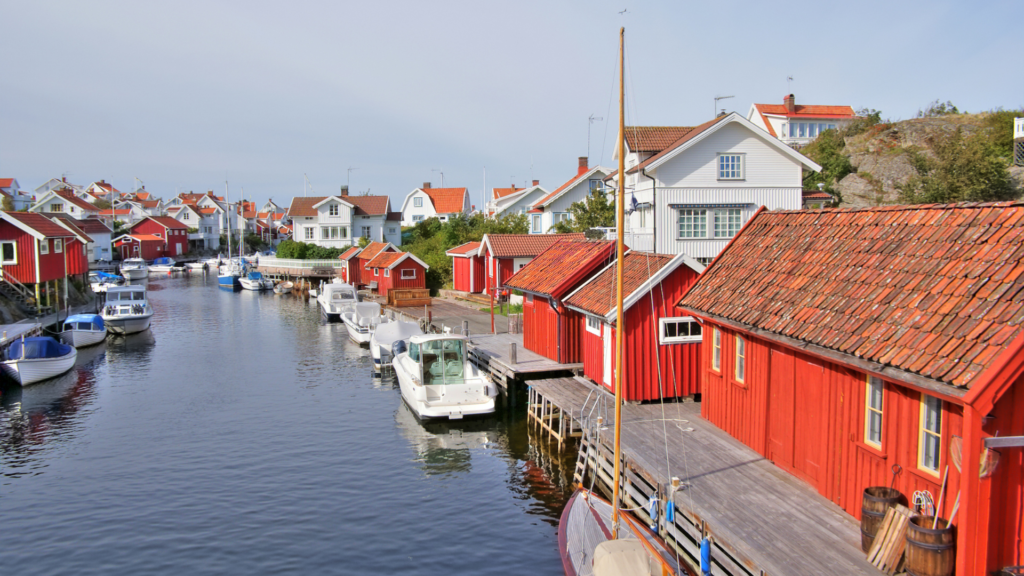
Sweden has a large number of English-taught master’s programs, especially in:
sustainability
technology
innovation
public policy
Government scholarships can sometimes cover both tuition and living expenses.
France

France has made major efforts to attract international graduate students..
Scholarships may include:
national excellence awards
university grants
regional funding programs
Many of these programs are offered at highly respected international institutions.
Discover all the English-taught European college programs in one place.
Beyond the States provides easy access to 12,600+ European bachelor’s and master’s programs across 870 universities, 550 cities, and 212 areas of study, plus all the resources you need to get there.
3400+
English-taught bachelor’s programs in our database.
550
Beautiful European cities to choose from.
$360,170
Typical savings against a private university in the US.
8200+
English-taught master’s programs in our database.
870
Top-tier universities accepting international students.
$65,038
Typical savings against in-state tuition in the US.
Admissions Are Often More Transparent
One of the biggest differences between U.S. and European graduate admissions is clarity.
In the U.S., graduate admissions are often holistic. That means decisions can depend on things like:
essays
recommendations
institutional priorities
subjective evaluations
European programs are often more criteria-based.
Admissions decisions usually focus on:
your undergraduate degree field
GPA
prerequisite coursework
English proficiency
If you meet the requirements, you’re often admitted.
That kind of clarity makes a big difference.
Who Is a Scholarship for a Master’s Degree Abroad a Good Fit For?
Studying abroad for a full graduate degree isn’t the right path for everyone.
But it can be a great fit for students who want:
a more affordable master’s degree
international career exposure
access to globally ranked universities
programs taught entirely in English
It’s especially attractive for students in fields like:
engineering
data science
business
environmental policy
international relations
economics
Students who feel comfortable living abroad for one to two years often benefit the most.
Common Misconceptions About Scholarships for Master’s Degrees Abroad
Myth 1: Degrees from Europe aren’t recognized in the U.S.
This is rarely true.
Most programs recommended through Beyond The States come from fully accredited universities recognized internationally.
Graduates regularly move on to:
PhD programs
multinational careers
U.S. employment
Accreditation and recognition are major factors when evaluating programs.
Myth 2: You must speak the local language
Not necessarily.
Many graduate programs across Europe are fully taught in English.
You can complete your entire master’s degree in English even in countries like:
Germany
Netherlands
Sweden
Italy
France
Learning the local language can definitely help socially and professionally, but it usually isn’t required for admission.
Myth 3: Scholarships only exist for PhD programs
PhD funding is common, but master’s scholarships are also widely available in Europe.
In fact, many countries use scholarships specifically to attract international graduate students.
Myth 4: It’s complicated to apply abroad
Honestly, it’s often simpler than applying in the U.S.
Typical requirements include:
transcripts
CV
statement of purpose
proof of English proficiency
Many programs also don’t require GRE scores, which removes a major hurdle.
Application Timeline for Scholarships and Master’s Programs
Planning ahead is important.
Most European master’s programs begin in the fall semester, with deadlines between December and April.
A typical timeline looks like this:
12 months before start
research programs
identify scholarship options
8–10 months before start
prepare application materials
take English proficiency exams if needed
6–8 months before start
submit applications
4–6 months before start
receive admission decisions
apply for visas
arrange housing
Compared to many U.S. admissions cycles, the process is often more structured and predictable.
Realistic Living Costs in Europe
Scholarships may cover tuition, but living expenses still matter.
Average monthly costs vary by country:
| Country | Estimated Monthly Living Cost |
| Germany | $900 – $1,200 |
| Netherlands | $1,100 – $1,400 |
| Sweden | $1,000 – $1,300 |
| France | $900 – $1,300 |
Students may also be able to work part-time depending on visa rules.
Why Many U.S. Students Are Choosing Master’s Degrees Abroad
Graduate education is becoming more global.
Students are paying more attention to:
affordability
international networks
specialized programs
transparent admissions
Europe offers strong advantages in all four.
And because many programs are shorter than U.S. master’s degrees, students can often enter the workforce sooner.
Frequently Asked Questions
We’re here to help answer your questions about getting scholarships for your masters degree!
Yes.
Many European governments, universities, and organizations offer scholarships specifically for international students, including Americans.
These may cover partial or full tuition, and sometimes living expenses too.
Yes.
Many of the world’s top universities offer graduate programs taught entirely in English. These schools are internationally accredited and recognized by employers and graduate schools worldwide.
Some do, but many only cover tuition.
Students should still plan for housing, food, transportation, and insurance unless the scholarship specifically includes a stipend.
In many countries, yes.
Post-study work visas often allow international graduates to stay and look for work after graduation.
The rules vary by country, but opportunities exist across much of Europe.
Usually not.
Many programs have clear admissions criteria and a much more straightforward process compared to holistic U.S. admissions systems.
Final Thoughts
A scholarship for a master’s degree can make graduate education far more affordable.
When you combine that with the lower tuition at many English-taught universities in Europe, the financial difference becomes hard to ignore.
For the right student, earning a master’s degree abroad offers strong academics, international experience, and a much more manageable price tag.
Beyond The States helps students find affordable, accredited degree programs abroad. We focus on full degrees, not semester study abroad and we carefully vet universities for quality and transparency.
If you’re exploring graduate options, start by reviewing program and country options, or take the Beyond The States quiz to see which universities may be the best fit for your goals.