IB Program Advantages and Disadvantages
The International Baccalaureate (IB) program offers students a unique educational path. It aims to create well-rounded learners through a mix of subjects and activities. Many schools now offer this program as an alternative to standard curricula.
The IB program can boost college readiness and global awareness, but it also comes with a very heavy workload. Students take part in community service and write extended essays. These tasks help develop critical thinking and research skills.
The program’s global focus sets it apart from other high school options. Students learn about different cultures and viewpoints. This can be great for those interested in international careers or moving abroad.
Summary
Understanding the IB Program Structure
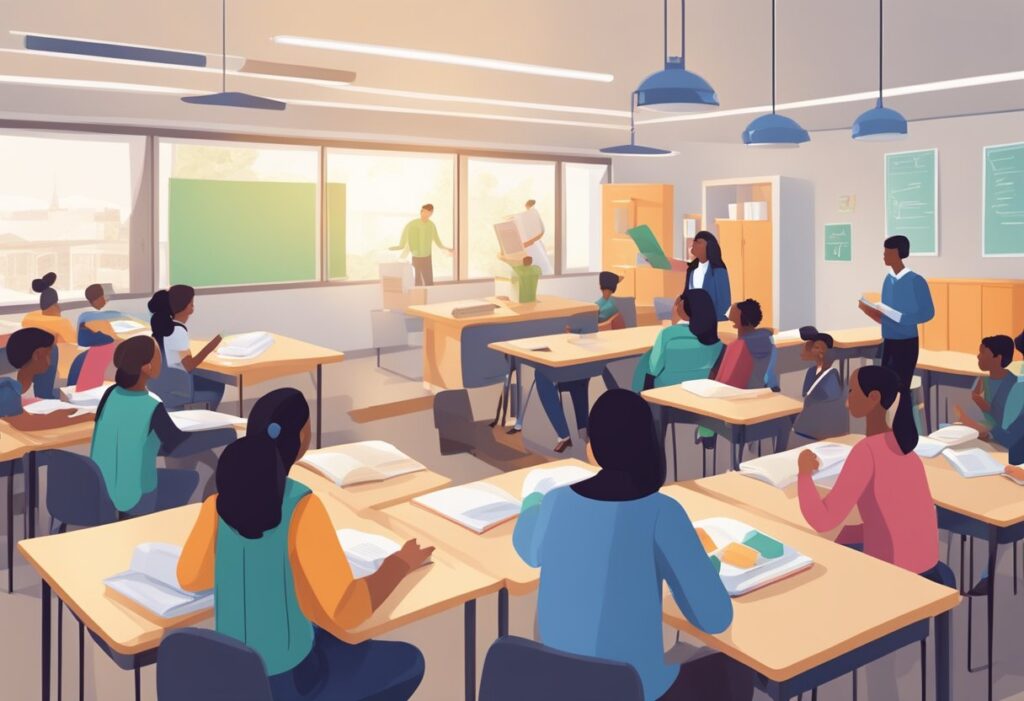
The IB Program is divided into three main stages that cover a student’s entire education journey. Each stage builds on the previous one to create a well-rounded curriculum.
Primary Years Program
The Primary Years Program (PYP) is for students aged 3-12. It focuses on developing the whole child as an inquirer, both in and outside the classroom. The PYP uses six themes to explore subjects:
- Who we are
- Where we are in place and time
- How we express ourselves
- How the world works
- How we organize ourselves
- Sharing the planet
Students learn through hands-on activities and projects. They’re encouraged to ask questions and think critically about the world around them.
Middle Years Program
The Middle Years Program (MYP) is for students aged 11-16. It builds on the PYP and prepares students for the Diploma Program. The MYP has eight subject groups:
- Language and literature
- Language acquisition
- Individuals and societies
- Sciences
- Mathematics
- Arts
- Physical and health education
- Design
Students complete a personal project in their final year. This project lets them explore a topic they’re passionate about and show what they’ve learned.
Diploma Program
The Diploma Program (DP) is for students aged 16-19. It’s a rigorous two-year curriculum that prepares students for university. Students take six subjects:
- Two languages
- Social sciences
- Experimental sciences
- Mathematics
- Arts or another subject from the above groups
The DP also includes three core elements:
- Theory of Knowledge (TOK): Students explore how we know what we claim to know.
- Extended Essay: A 4,000-word research paper on a topic of the student’s choice.
- Creativity, Action, Service (CAS): Students complete projects related to these three areas.
The DP aims to develop students who are knowledgeable, critical thinkers, and active in their communities.
Advantages of the IB Program
The International Baccalaureate (IB) program offers students many benefits. It helps them grow academically and personally while preparing them for success in college and beyond.
Development of Critical Thinking Skills
The IB program puts a strong focus on critical thinking. Students learn to analyze information from different angles. They ask questions and look for evidence to support their ideas.
IB courses often use real-world examples. This helps students apply what they learn to everyday situations. They practice problem-solving and decision-making skills.
Students also learn to think across subjects. They might use math skills in science class or apply history knowledge to literature discussions. This builds strong thinking skills that are useful in many areas.
FREE INSIDER’S GUIDE
Top 5 English-Taught Colleges in Europe
Kickstart you education abroad with a powerful degree taught entirely in English, all without taking on any student loans!
Fostering a Global Perspective
IB programs teach students about different cultures and viewpoints. This helps them become global citizens who understand and respect diversity.
Students often learn new languages as part of the IB curriculum. This opens doors to communicate with people from other countries.
Many IB schools have exchange programs or international projects. These give students chances to work with peers from around the world. Such experiences broaden their worldview and build cross-cultural skills.
Holistic Educational Approach
The IB program aims to develop the whole student. It goes beyond just academic subjects to include physical, emotional, and social growth.
Students take part in creativity, activity, and service (CAS) projects. These help them explore their interests outside of regular classes. They might join clubs, volunteer, or learn new skills.
The program also teaches skills like time management and goal-setting. These help students balance their school work with other activities. Such skills are valuable for success in college and careers.

Recognition in Higher Education Admissions
Many top universities around the world value the IB diploma. They know IB graduates are well-prepared for college-level work.
Some colleges offer course credit for high scores on IB exams. This can save students time and money in college.
The IB diploma can make college applications stand out. It shows that a student has taken on a challenging and well-rounded program.
Preparation for University-Level Studies
IB courses are designed to be rigorous and in-depth. They often cover material similar to first-year college classes.
Students learn good study habits and research skills. They write extended essays and give presentations. These tasks mirror what they’ll do in college.
The program teaches students to manage their time well. They juggle multiple subjects and long-term projects. This experience helps them adjust to the demands of university life.
Challenges of the IB Program
The IB program offers many benefits, but students face several hurdles. These include managing a heavy workload, dealing with limited subject choices, and coping with the program’s costs and intensity.
Demanding Workload and Time Management
IB students juggle multiple assignments and projects. They must balance coursework, exams, and extracurricular activities. This heavy load can be stressful.
Students often struggle with time management. They need to develop strong study habits to keep up. Many find it hard to fit in hobbies or free time.
The program requires a lot of independent research. This can be tough for students used to more guidance. They must learn to work on their own and meet deadlines.
Limited Flexibility in Subject Choices
The IB curriculum is quite rigid. Students must take courses from six subject groups. This leaves less room for electives or subjects outside the IB framework.
Some students may feel stuck with subjects they don’t enjoy. Others might miss out on classes they want to take. This lack of choice can be frustrating.
The program’s structure may not suit all learning styles. Some students thrive with more freedom to pick their courses.
Financial Considerations
IB programs often come with high costs. Fees for exams and course materials can add up. Some families find it hard to afford these expenses.
Schools may charge extra for IB classes. This can put the program out of reach for some students. Financial aid might not always cover all costs.
Travel for IB events or activities can also be pricey. These extra expenses can strain family budgets.
Intensity of the Curriculum
The IB program is known for its rigor. Students face challenging coursework and tough exams. This can lead to stress and burnout.
The program’s pace is fast. Students must keep up with a lot of material. Some may struggle to grasp complex concepts quickly.
IB courses often go into great depth. This level of study can be too much for some students. They might feel overwhelmed by the amount of detail required.
The program’s focus on critical thinking is demanding. Students must learn to analyze and evaluate information deeply. This skill takes time to develop and can be difficult for some.
IB Program Impact on College and Career
The IB program can shape students’ academic and professional paths. It offers opportunities for college credits, scholarships, and career development. These benefits can give IB graduates an edge as they move into higher education and the workforce.
Earning College Credits
IB students often get a head start in college. Many universities give credit for high scores on IB exams. This can save time and money on tuition. Students might skip some intro classes and move to more advanced courses sooner.
Some colleges offer up to a full year of credits for the IB Diploma. This means students could finish their degree faster. They might even graduate early or add a second major. The credits also show schools that students can handle college-level work.
Access to Scholarships
IB students can tap into special scholarship chances. Many colleges value the IB Diploma highly. They offer money to attract these well-prepared students. Some schools have scholarships just for IB graduates.
The rigor of the IB program impresses scholarship committees. It shows students can handle tough classes and heavy workloads. This can lead to more generous financial aid packages. IB students often stand out in the application process.
IB Diploma as a Career Stepping Stone
The IB Diploma can open doors in the job market. Employers know IB graduates have strong skills. These include critical thinking, time management, and global awareness. Such skills are valuable in many careers.
IB alumni often report feeling more ready for work challenges. The program’s focus on research and writing helps in many jobs. Its international outlook is also a plus in our global economy. Some companies actively seek out IB graduates for their broad knowledge and skills.


Supporting Student Success in the IB Program
The IB program aims to foster well-rounded students with strong academic and personal skills. It encourages growth through academics, community service, and personal development.
Importance of Study Habits and Research Skills
Good study habits are key for IB success. Students should create a study schedule and stick to it. This helps manage time and reduces stress. Taking good notes in class is also crucial.
Research skills are vital in the IB program. Students must learn to find reliable sources and evaluate information. Libraries and online databases are great tools for this. Practicing these skills early on makes later projects easier.
Time management is another important skill. IB courses have many deadlines. Using a planner or digital calendar can help track assignments and tests.
Community Service and Extracurricular Engagement
The IB program values community service. It helps students become caring global citizens. Schools often require a set number of service hours. This can include volunteering at local charities or organizing school events.
Extracurricular activities are also important. They help students develop leadership and teamwork skills. Sports, clubs, and student government are good options. These activities can also provide a break from academic stress.
Balancing service, activities, and studies can be tough. Students should choose activities they truly enjoy. This makes it easier to stay motivated and manage time.
Strategies for Personal and Academic Growth
The IB program pushes students to grow both personally and academically. One way to do this is by setting goals. Students should make short-term and long-term goals for their studies and personal growth.
Problem-solving skills are key in the IB program. Students face complex tasks and must learn to break them down. Working on group projects can help develop these skills.
Self-reflection is another important strategy. The IB program often asks students to think about their learning process. Keeping a journal can help with this. It allows students to track their progress and identify areas for improvement.
Seeking help when needed is crucial. Teachers, counselors, and older IB students can offer valuable advice and support.
The Role of IB World Schools
IB World Schools play a key part in delivering the International Baccalaureate programs. These schools offer a unique educational experience that goes beyond typical classroom learning.
IB World Schools focus on developing students with a global perspective. They aim to foster international-mindedness and cultural understanding among their students.
The schools provide a range of IB programmes. These include the Primary Years Programme, Middle Years Programme, and Diploma Programme. Each program is designed for different age groups and educational stages.
IB World Schools take a holistic approach to education. They emphasize not just academic success, but also personal growth and character development.
Flexible learning is a hallmark of IB World Schools. Students can often choose subjects that interest them, allowing for a more personalized education.
These schools place a strong emphasis on university preparation. The rigorous coursework helps students develop critical thinking and research skills valuable for higher education.
IB World Schools must meet strict standards set by the International Baccalaureate Organization. This ensures a consistent quality of education across all IB schools worldwide.
Teachers at IB World Schools receive special training. This helps them effectively deliver the IB curriculum and support students in their learning journey.
Frequently Asked Questions
The International Baccalaureate program offers unique opportunities and challenges for students. It impacts college admissions, academic growth, and future careers.