Study in Rome
Tuition in the U.S. keeps climbing. For many students, a bachelor’s degree can easily cost more than $120,000.
What a lot of families don’t realize is that you can earn a fully accredited degree abroad, in English, for much less.
And Rome stands out for a few reasons. The city has respected universities, an incredible cultural scene, and admissions systems that are often straightforward and merit-based.
This guide covers what U.S. students actually need to know about studying in Rome including universities, English-taught programs, costs, student life, and how the application process works.
Summary
Why Study in Rome?
Rome offers more than just history and sightseeing. It’s a place where students can earn full degrees in English while living in one of Europe’s most influential cities.
Programs are available in areas like history, art, business, and political science. Admissions are usually transparent and based mainly on grades and academic qualifications, which many students find refreshing compared to the more unpredictable U.S. admissions process.
Cost is another major factor. Public universities in Italy can cost 60–80% less than private colleges in the U.S. At the same time, students still have access to strong academics and internationally recognized degrees. Private and U.S.-accredited schools in Rome also offer smaller class sizes and more personalized support.
A lot of people assume “studying in Rome” means a semester abroad. In reality, students can complete entire undergraduate or graduate degrees there.
Top Universities in Rome
Rome and the surrounding region have several highly ranked universities with English-language programs for international students. Many also offer research opportunities, certifications, and hands-on training.
Sapienza University of Rome
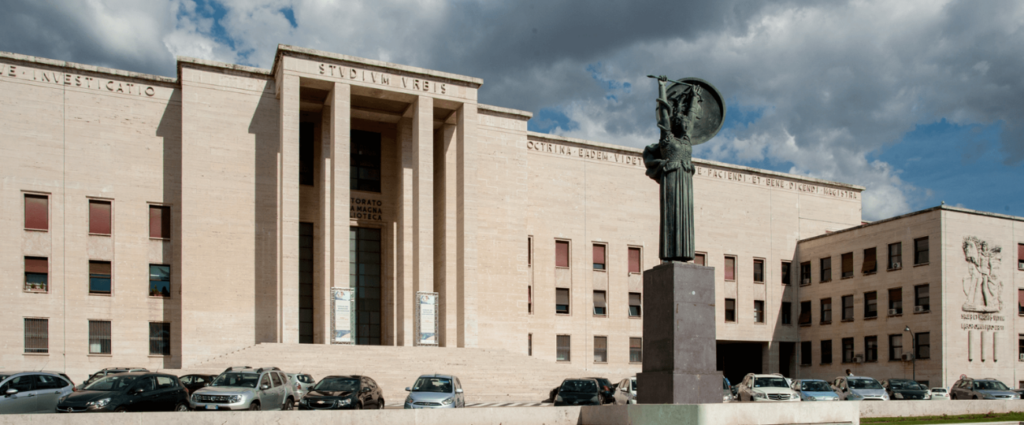
- Founded: 1303 (originally Studium Urbis)
- Students: ~115,000 (5,000 international)
- Programs: 250+ undergraduate and postgraduate degrees
- Highlights: Huge campus in central Rome, scholarships and financial aid, one of the largest universities in Europe
University of Rome II – Tor Vergata
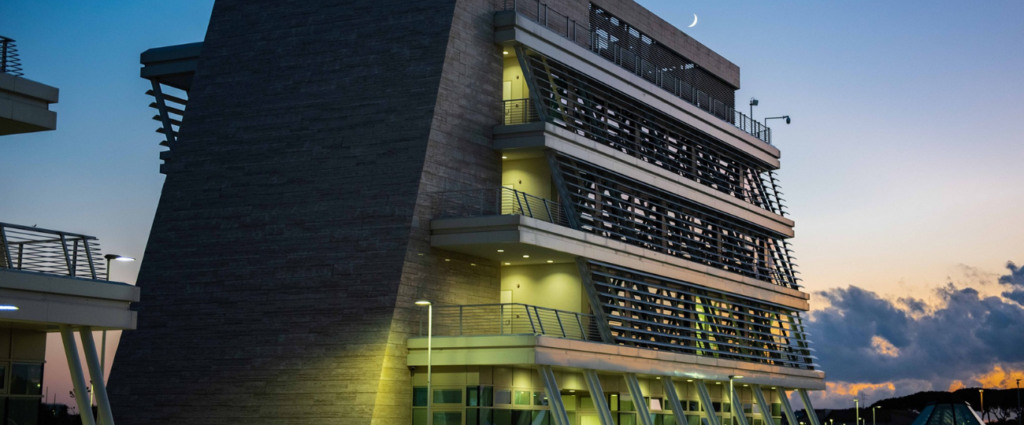
- Founded: 1982
- Students: ~25,000 (4,000 international)
- Programs: Undergraduate, postgraduate, and research-focused degrees
- Highlights: Large modern campus, strong internship connections, Italian Space Agency and university hospital located on-site
Roma Tre University
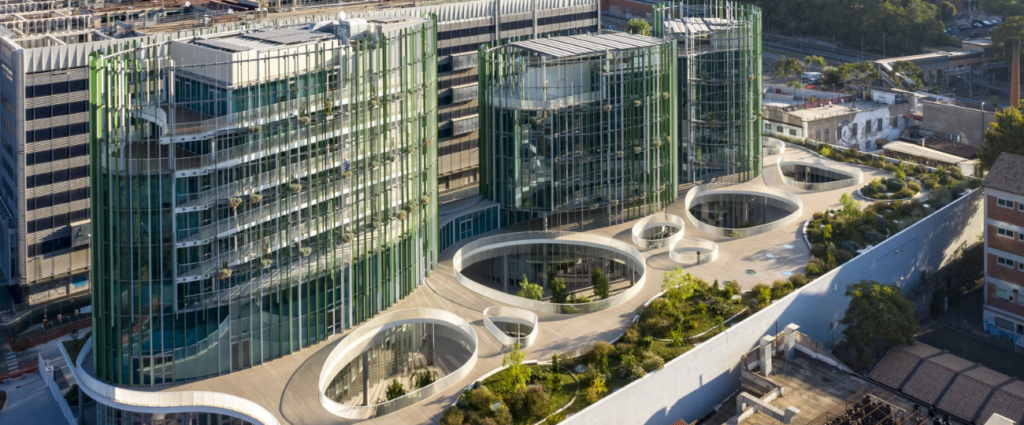
- Founded: 1992
- Students: ~32,000 (1,600 international)
- Programs: Undergraduate, postgraduate, and research-centered programs
- Highlights: Known for research in the social sciences and multiple specialized research centers
University of L’Aquila
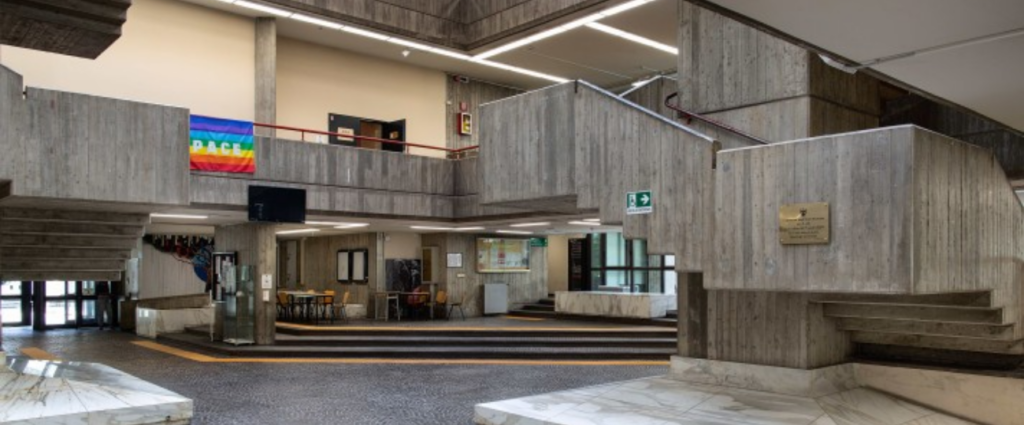
- Founded: 1964
- Students: ~17,500 (1,000 international)
- Programs: Undergraduate and graduate degrees, plus language courses in several languages including English
- Highlights: Large campus about 1.5 hours from Rome with partnerships across more than 60 universities worldwide
University of Naples Federico II

- Founded: 1224
- Students: ~50,000 (1,000 international)
- Programs: Undergraduate, postgraduate, and international outreach programs
- Highlights: Historic university with multiple campuses and global initiatives, including medical training programs in Africa
Australian Catholic University (Rome Campus)
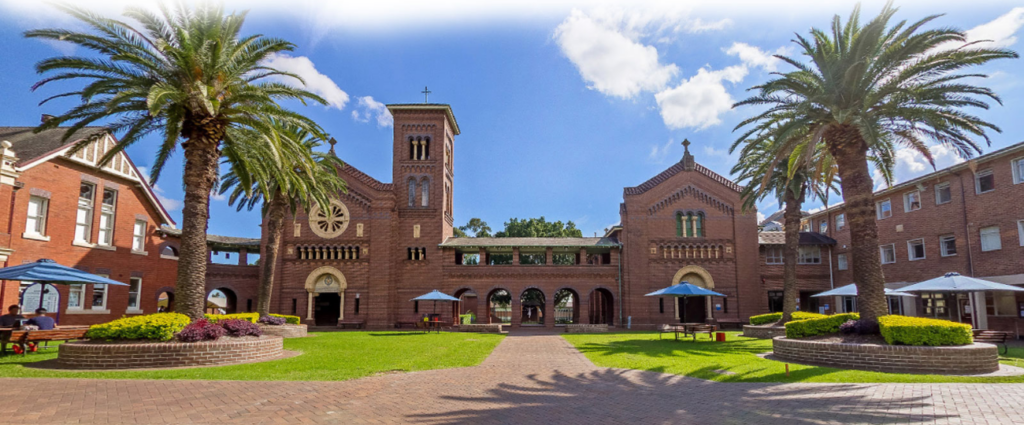
- Founded: [Year of Rome campus establishment, if needed]
- Students: Varies (international-focused programs)
- Programs: Theology, Philosophy, History, and Liberal Arts
- Highlights: Central Rome location that combines Australian academic standards with cultural immersion in Italy
Latest Rankings for Universities in Rome
Here are some of the top universities in Rome and nearby regions based on the 2026 QS World University Rankings and Times Higher Education rankings:
| University | QS World Ranking 2026 | Times Higher Education 2026 |
| Sapienza University of Rome | 128 | =170 |
| University of Rome II – Tor Vergata | =355 | 301–350 |
| Roma Tre University | 901–950 | 801–1,000 |
| University of L’Aquila | – | 601–800 |
| University of Naples Federico II | 801–1,000 | 601–800 |
Other Top-Ranked Colleges & Universities in Rome
- John Cabot University
- The American University of Rome
- Campus Bio-Medico University of Rome
- Guglielmo Marconi University
- Rome Business School
- University Niccolò Cusano
- The International Telematic University
- Swiss School of Management
- National Academy of Santa Cecilia
- Pontifical Gregorian University
- European University of Rome
English-Taught Programs in Rome
Rome has a wide range of full-degree programs taught entirely in English, which makes the transition much easier for U.S. students.
Popular fields include:
- Business & Management – MBA, International Business, Finance
- Engineering & Technology – Civil, Mechanical, Biomedical
- Social Sciences & Humanities – Political Science, History, Philosophy
- Arts & Design – Architecture, Visual Arts, Music
- Healthcare & Life Sciences – Medicine, Psychology
Find the Perfect Degree Program in Europe
Explore accredited bachelor’s and master’s programs with clear admissions and lower costs. Join thousands of students already studying across Europe.
How to Study in Rome

Step 1: Choose a Program
Start by deciding whether you want a public Italian university or a private/U.S.-accredited program taught in English.
Step 2: Check Admissions Requirements
Most schools will ask for:
- Academic transcripts
- Proof of language proficiency (usually English, sometimes Italian)
- Entrance exams for certain selective programs
Step 3: Apply and Secure Funding
Students can apply directly to universities or work with educational advisors like Beyond The States.
It’s also worth looking into scholarships, grants, and European funding options early. Timelines in Europe are usually more predictable than in the U.S., which helps with planning.
Step 4: Student Visa & Logistics
Before arriving, students typically need to:
- Apply for an Italian student visa
- Arrange health insurance
- Secure housing
Step 5: Arrival & Orientation
Most universities offer orientation programs for international students. Joining student communities early can make the adjustment much smoother.

Cost of Living in Rome as a Student
Living in Rome is often more affordable than people expect, especially compared to major U.S. cities or private colleges.
Accommodation
- Dorms: €400–€600/month
- Shared apartments: €500–€800/month
- Private rentals: €700–€900/month
Transport
- Monthly passes for buses, trams, and the metro usually cost €35–€45
- Walking and biking are common, especially in central neighborhoods
Food
- Groceries: €150–€200/month
- Casual dining: €10–€20 per meal
- Tip: Local markets and university cafeterias help reduce costs
Typical Annual Costs
| Expense | Public University | Private / U.S.-Accredited |
| Tuition | €900–€3,000/year | €12,000–€18,000/year |
| Accommodation | €400–€700/month | €600–€900/month |
| Food & Essentials | €200–€300/month | €250–€400/month |
| Health Insurance | €200–€300/year | €500–€800/year |
| Total Annual Cost | €10,000–€15,000 | €20,000–€25,000 |
Even private universities in Rome are usually cheaper than private colleges in the U.S., while still giving students a full international experience.
Life & Culture in Rome for Students

Rome gives students a mix of academics, culture, and everyday life that’s hard to replicate anywhere else. Outside class, students can visit museums, historic landmarks, parks, restaurants, and sporting events often all within the same week.
Must-Visit Landmarks
- Colosseum
- Pantheon
- Roman Forum
- St. Peter’s Basilica
- Sistine Chapel
- Spanish Steps
- Borghese Gallery & Museum
- Altar of the Fatherland
- Villa Borghese
- Palatine Hill
- Capitoline Museums
- Arch of Constantine
- Stadio Olimpico
- Marcello Theatre
- Bioparco di Roma
Experiences & Opportunities
- Weekend trips: Quick flights to Paris, Madrid, and other European cities are easy to find. You can even reach the Italian mountains in just a few hours.
- Sports & entertainment: The city always has something going on, from football and tennis matches to concerts and theater performances.
- Professional growth: Students can access internships with major companies and international organizations, making it possible to build real work experience while studying.
What makes studying in Rome different is that it goes beyond the classroom. You’re not just earning a degree. You’re living in a city filled with history, meeting people from around the world, and gaining experience that can help professionally later on.
Who Is This a Good Fit For?
Rome is a strong option for students who:
- Want to earn a full degree abroad rather than do a short exchange program
- Feel comfortable living in another country
- Care about affordable tuition and a straightforward admissions process
- Prefer programs taught fully in English
- Want both cultural experiences and professional opportunities
Common Misconceptions
- Myth: You need to speak Italian to study in Rome.
Fact: Many degree programs are taught entirely in English. Knowing Italian helps in daily life, but it’s not required. - Myth: Degrees earned abroad aren’t recognized in the U.S.
Fact: Accredited programs are internationally recognized, and U.S. employers and graduate schools accept them. - Myth: Living in Rome is always expensive.
Fact: Costs depend on your lifestyle. Public universities and shared apartments can make studying there surprisingly affordable. - Myth: Rome is only a good choice for history or art students.
Fact: Universities also offer programs in business, science, engineering, social sciences, and more. - Myth: International students have limited internship or career opportunities.
Fact: Many universities in Rome have strong industry connections that help students gain internships and professional experience.
Frequently Asked Questions
We’re here to help answer your questions about Study in Rome
Yes. Student visas allow limited work hours, and many students also complete internships with European organizations.
Bachelor’s degrees usually take 3 years, while Master’s programs typically take 1–2 years. The structure is similar to U.S. programs, though often more specialized.
Yes. Scholarships are available through Italian universities, EU programs, and some private U.S.-accredited schools.
Admissions are generally merit-based. Strong grades and a clear application statement usually matter more than standardized test scores.
No. Most applications and interviews for international students are handled online.
Yes. Accredited degrees from Rome are recognized for U.S. graduate school admissions.
Final Thoughts
Studying in Rome offers more than just the experience of living abroad. It’s also an opportunity to earn a fully accredited degree within an internationally recognized education system.
Beyond The States helps U.S. students navigate applications, scholarships, and student life, so the process feels a lot less overwhelming.r outcomes.
You can explore programs, compare countries, or start with a strategy session if you want help figuring out the right path.
If you’d prefer more hands-on support our Platinum Admissions Package offers a more guided approach.