Best Places to Study Abroad
For many students, the question isn’t just “Where should I go to college?”
It’s more like: which system actually gives the best mix of cost, degree value, and career options?
That’s why more U.S. students are starting to look at the best places to study abroad for international students, especially in Europe. Public universities there often offer English-taught degrees for a fraction of what you’d pay in the U.S.
But cost is only one piece of the puzzle.
Admissions rules, visa options, and what happens after graduation all matter just as much when making the decision.
Summary
Why Studying Abroad Is Worth It
To be clear, the value of studying abroad isn’t about travel. It’s structural.
A full degree abroad can mean:
- Much lower tuition (often €0–€15,000 per year in Europe)
- Clearer, more predictable admissions systems
- Strong internationally recognized degrees
- Access to global job markets
- Less student debt
- Plenty of English-taught programs across Europe
This is especially true in countries where public universities are heavily subsidized.
And that shifts things quite a bit.
Instead of going through unpredictable U.S. admissions cycles, students often apply directly to specific programs with clear academic requirements.
Best Countries to Study Abroad for International Students
Here’s a breakdown of some of the most relevant destinations for U.S. students pursuing full degrees.
1. Germany
Germany is one of the best value options in global higher education.
What stands out:
- Very low or no tuition at public universities
- Strong programs in engineering, STEM, and research
- A growing number of English-taught bachelor’s degrees
Things to keep in mind:
- Some programs are very competitive
- Grades and academic performance matter a lot
Best for: engineering, computer science, economics
2. Netherlands
The Netherlands is one of the most accessible countries in Europe for English-taught degrees.
What stands out:
- Lots of bachelor’s programs taught in English
- Structured admissions process
- Good support for international students
Things to keep in mind:
- Tuition is higher than Germany, but still below most U.S. private colleges
- Housing can be difficult in major cities
Best for: business, psychology, international relations
3. France
France offers both low-cost public universities and more selective elite schools.
What stands out:
- Very low tuition at public universities
- Strong reputation in humanities, business, and sciences
- More English-taught programs every year
Things to keep in mind:
- Administrative systems can feel complicated
- Knowing French helps a lot outside of class
Best for: business, political science, fashion, humanities
4. Ireland
Ireland is a strong option for English-speaking students.
What stands out:
- English is the main language
- Strong universities for tech and business
- Clear post-graduation work options
Things to keep in mind:
- Tuition is higher than most continental European countries
- Housing in Dublin can be competitive
Best for: tech, business, data science
5. Italy and Spain
Both countries are expanding their English-taught degree options.
What stands out:
- Lower tuition compared to the U.S.
- Strong cultural and academic environments
- More international programs becoming available
Things to keep in mind:
- Fewer English-taught options than places like the Netherlands or Germany
- Daily life may require some local language
Best for: design, architecture, humanities, business
Best Universities Abroad for International Students
When looking at the best universities abroad for international students, tuition transparency often matters more than rankings alone. Many top European universities are publicly funded, which makes them far more affordable than most U.S. options.
Here’s a focused breakdown.
University of Amsterdam (Netherlands)

Annual tuition (international students): €10,000–€18,000
Typical fields: psychology, economics, business, social sciences
Why it stands out:
- Highly recognized across Europe and internationally
- Strong English-taught bachelor’s programs
- Very competitive in popular fields like psychology and economics
Admissions notes:
- GPA and specific coursework requirements matter
- Some programs have limited seats
Delft University of Technology (Netherlands)

Annual tuition (international students): €15,000–€20,000
Typical fields: engineering, computer science, architecture
Why it stands out:
- One of Europe’s top engineering schools
- Strong connections to industry and tech employers
Admissions notes:
- Very math- and science-heavy requirements
- High expectations for STEM preparation in high school
Ludwig Maximilian University of Munich (Germany)
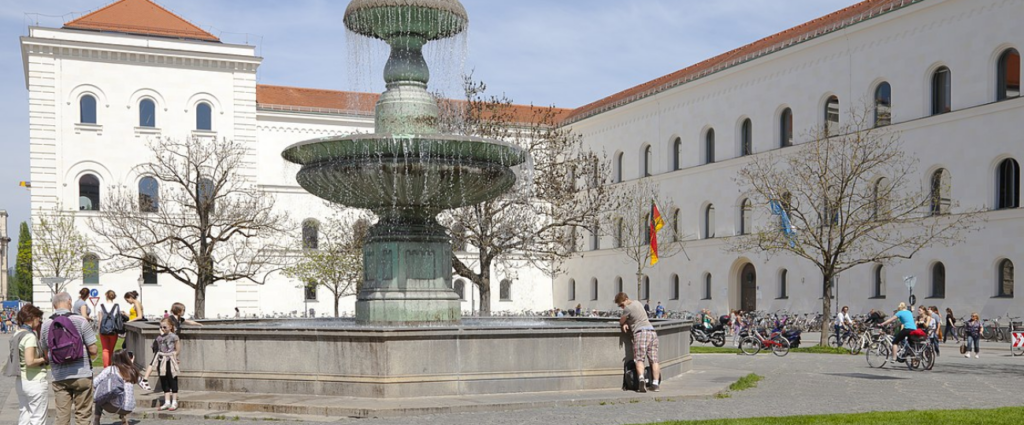
Annual tuition (international students): €0–€3,000 (mostly administrative fees)
Typical fields: natural sciences, humanities, social sciences
Why it stands out:
- Extremely low tuition for a top-ranked public university
- Strong academic reputation across Europe
Admissions notes:
- Strict academic equivalency rules
- Fewer English-taught bachelor’s programs than some other countries
University of Bologna (Italy)
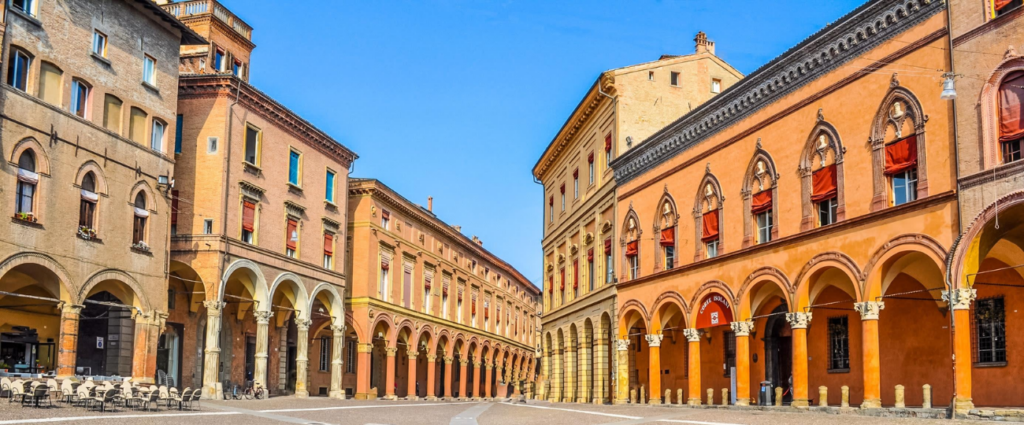
Annual tuition (international students): €2,000–€6,000
Typical fields: economics, political science, humanities, engineering
Why it stands out:
- One of Europe’s oldest and most established universities
- Increasing number of English-taught programs
- Very affordable compared to the U.S.
Admissions notes:
- Program-specific requirements
- Some degrees require entrance exams or assessments
Sciences Po (France)

Annual tuition (international students): €14,000–€18,000
Typical fields: political science, international relations, public policy
Why it stands out:
- Strong global reputation in politics and social sciences
- Highly respected across Europe and beyond
Admissions notes:
- More selective than most European public universities
- Focuses heavily on academic fit and motivation
IE University (Spain)

Annual tuition (international students): €20,000–€30,000+
Typical fields: business, law, international relations, tech
Why it stands out:
- Fully English-taught private university
- Strong focus on careers and global recruitment
Admissions notes:
- Holistic admissions process (interviews and profile review)
- More flexible than most public European systems
Countries With Free or Low-Cost College for Foreigners
This is one of the most searched topics, but it’s often misunderstood.
“Free tuition” usually applies to public universities, not private ones. And even then, there are usually language or academic requirements involved.
Most affordable systems for international students:
- Germany – near-free public university tuition
- Italy – income-based tuition reductions
- France – very low public university fees
- Austria – low fixed tuition costs
- Norway – tuition-free public universities (but limited English bachelor’s options)
This is why Europe is often seen as the most practical option for U.S. students trying to keep costs under control.
Best Places to Study Abroad for Career Opportunities
The best place to study abroad really depends on where you want your career to go after graduation.
Strong regions for post-graduation work:
- Germany → Engineering, manufacturing, tech
- Netherlands → International business, logistics, finance
- France → Luxury industries, politics, global companies
- Ireland → Tech hubs and multinational headquarters
- Spain → Tourism, EU organizations, startups
A lot of European countries also offer post-study work visas that let graduates stay and work for 1–3 years after finishing their degree.
How to Choose the Best Country to Study Abroad
This is the part students tend to overthink.
A simpler approach usually works better.
1. Start with your actual budget
- Can you realistically afford €10K–€15K per year?
- Or do you need countries with little to no tuition?
2. Think about language comfort
There are plenty of fully English-taught programs, especially in the Netherlands, Germany, and parts of Italy and France.
3. Match the country to your academic interests
- Engineering → Germany, Netherlands
- Business → Netherlands, Spain, France
- Design/Arts → Italy, France
- Social sciences → France, Netherlands
4. Consider your long-term plans
- Do you want to stay in Europe after graduation?
- Return to the U.S. for grad school?
- Build an international career?
This matters more than people think. A degree’s flexibility and international recognition often matter more than rankings alone.
Cost Breakdown: Studying Abroad vs. the United States
| Country | Tuition (Annual) | Living Costs | Total Estimated Cost |
|---|---|---|---|
| U.S. | $20,000–$60,000 | $15,000–$25,000 | $35,000–$85,000 |
| Germany | €0–€3,000 | €10,000–€14,000 | €10,000–€17,000 |
| Netherlands | €6,000–€15,000 | €12,000–€15,000 | €18,000–€30,000 |
| Italy | €0–€4,000 | €10,000–€13,000 | €10,000–€17,000 |
| France | €170–€3,000 | €11,000–€15,000 | €12,000–€18,000 |
The difference isn’t small. The systems are built very differently.
Who Is This a Good Fit For?
Pursuing a full degree abroad tends to work especially well for:
- Students looking for lower-cost alternatives to U.S. tuition
- Families trying to avoid heavy student debt
- Students open to living in Europe for 3–4 years
- Academically motivated students who prefer clearer admissions criteria
- Students interested in international careers or graduate study
It’s usually a tougher fit for students who are uncomfortable adapting to different academic systems or cultures.
Common Myths About Studying Abroad
“Degrees abroad aren’t respected in the U.S.”
Not true. Accredited European degrees are widely recognized, especially from established public universities.
“Everything is taught in a foreign language”
That used to be more true than it is now. Today, thousands of bachelor’s programs across Europe are taught entirely in English.
“It’s only for wealthy students”
In many cases, studying in Europe is actually far more affordable than attending a public or private university in the U.S.
“It will delay graduation or hurt career progress”
Most European bachelor’s degrees take 3 years, so students often graduate sooner, not later.
Frequently Asked Questions
We’re here to help answer your questions about
Germany, Italy, France, and Austria have some of the most affordable public university systems for international students. Many programs cost under €3,000 per year.
The Netherlands is often one of the easiest places to navigate because of its large number of English-taught programs and relatively straightforward admissions process.
Yes. Countries like Germany and Norway offer public universities with very low or no tuition fees, although students still need to cover living expenses.
Germany, the Netherlands, Ireland, and France stand out for strong post-graduation work opportunities and access to multinational employers.
Many do, although the exact requirements vary depending on the country and program.
Final Thoughts
Choosing the best place to study abroad isn’t really about chasing rankings. It’s about finding the right balance between cost, academic fit, and long-term opportunity.
For a lot of U.S. students, Europe offers a more transparent and financially realistic alternative to the traditional college path.
If you want to explore your options in a more strategic way, Beyond The States offers tools and guidance specifically for U.S. students pursuing full degree programs abroad.
You can start with a free strategy session or explore vetted degree programs.
A well-matched international degree is not about escaping the system. It’s about choosing a different one with clearer costs and outcomes.