American Universities With Campuses Abroad
College in the U.S. is expensive. Everyone knows that. What’s changed is this: you can now earn a degree from a recognizable American university without ever going to the U.S.
A lot of families don’t realize this yet. Many U.S. universities have campuses overseas where you can complete a full bachelor’s or master’s degree in English. The curriculum, the standards, even the accreditation it’s all tied directly to the home campus in the U.S.
And here’s where it gets interesting. These campuses often come with lower tuition, clearer admissions processes, and a more international student experience.
So if you want a U.S. degree but don’t love the price tag, or the unpredictability of U.S. admissions this is a path worth seriously considering.
Summary
What Are American Universities With Campuses Abroad?
These are official branch campuses run by U.S.-based universities. They offer the same (or very similar) programs outside the United States.
In practical terms:
- Your degree usually comes directly from the U.S. university
- The curriculum matches the home campus
- Classes are taught in English
- Professors may come from both the U.S. and around the world
The key point: you’re not just studying like a U.S. student you’re earning an actual U.S. degree.
American Universities With Campuses Abroad
Europe
Webster University (Multiple European Campuses – Geneva, Vienna, Leiden)
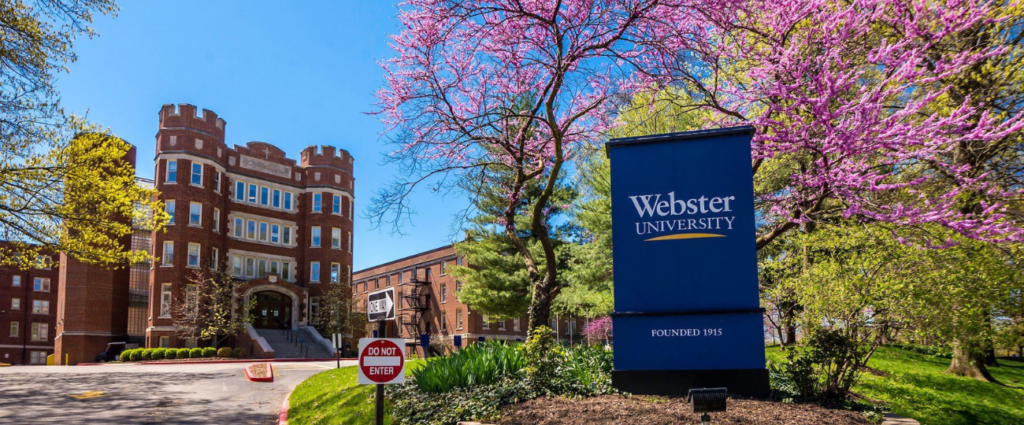
- Programs: Business, international relations, media, psychology
- Estimated tuition: ~$30,000–$35,000/year
- Admissions: Moderately selective
What to expect:
A smaller, flexible university with multiple campuses across Europe. You can move between locations and still stay within the same system.
Best fit for:
Students who want a more accessible U.S. degree, flexibility in where they study, and a less competitive admissions process.
Note: One of the few true U.S. branch campus systems in Europe.
Middle East
(This is where most of these campuses are.)
New York University Abu Dhabi (UAE)
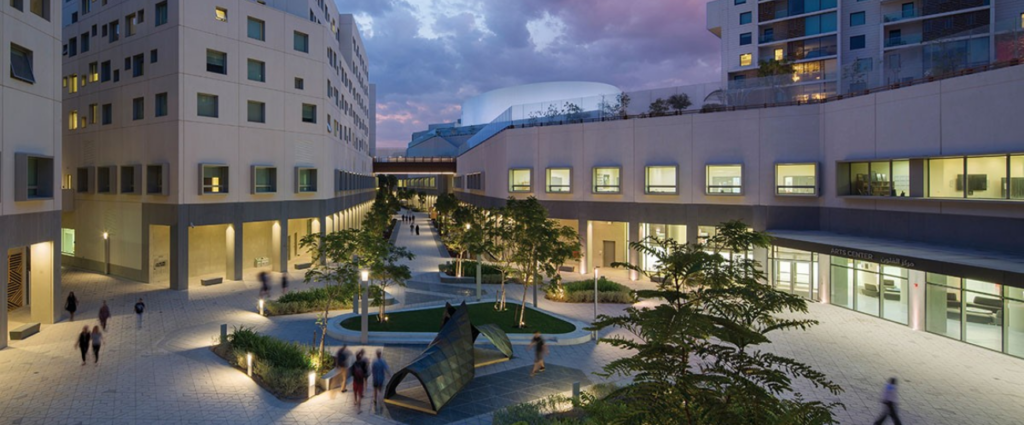
- Programs: Liberal arts, STEM, social sciences
- Estimated tuition: ~$0–$55,000/year (often heavily funded)
- Admissions: Extremely selective
What to expect:
Small, well-funded, and very global. Students often study in multiple countries during their degree.
Best fit for:
Top students looking for a highly selective program with strong funding and international opportunities.
Georgetown University in Qatar
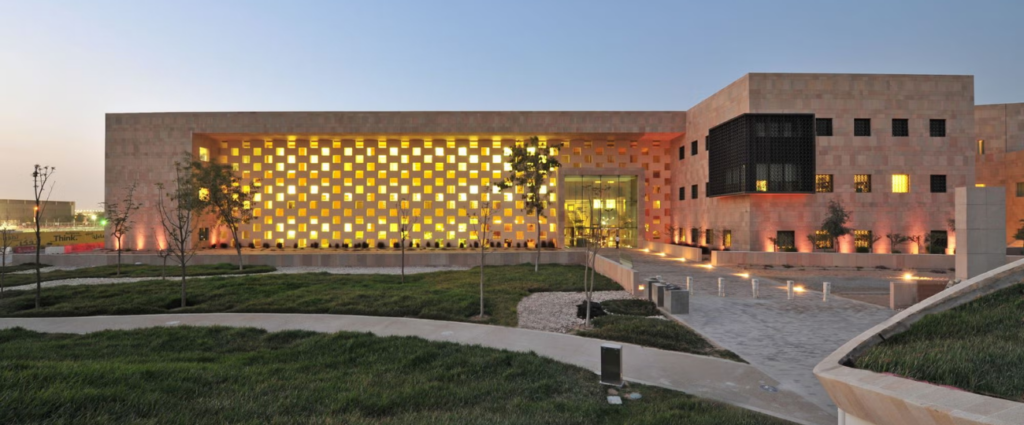
- Programs: International politics, economics, diplomacy
- Estimated tuition: ~$0–$65,000/year (scholarships common)
- Admissions: Highly selective
What to expect:
Focused programs with a strong link to global policy and international affairs.
Best fit for:
Students aiming for careers in diplomacy, government, or international organizations.
Carnegie Mellon University in Qatar
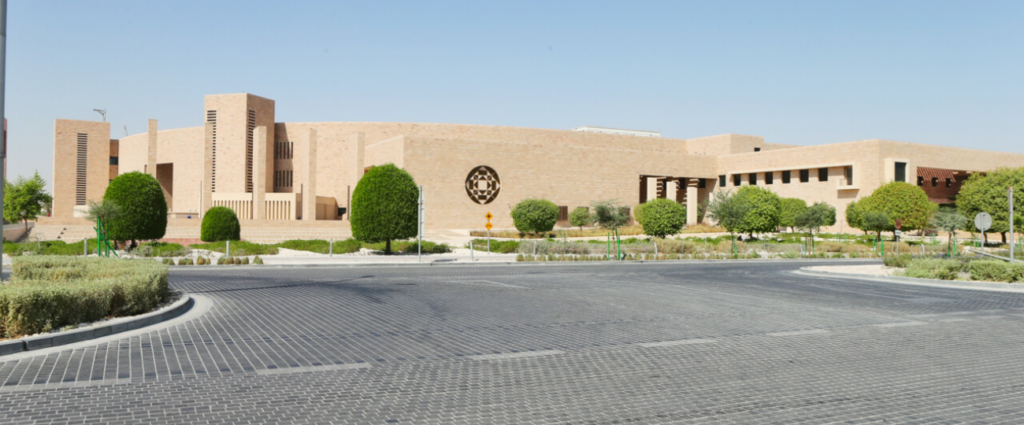
- Programs: Computer science, business, biology, information systems
- Estimated tuition: ~$0–$60,000/year
- Admissions: Highly selective
What to expect:
A strong STEM-focused campus that closely mirrors the U.S. curriculum.
Best fit for:
Students targeting competitive fields like tech, data, or engineering.
Northwestern University in Qatar
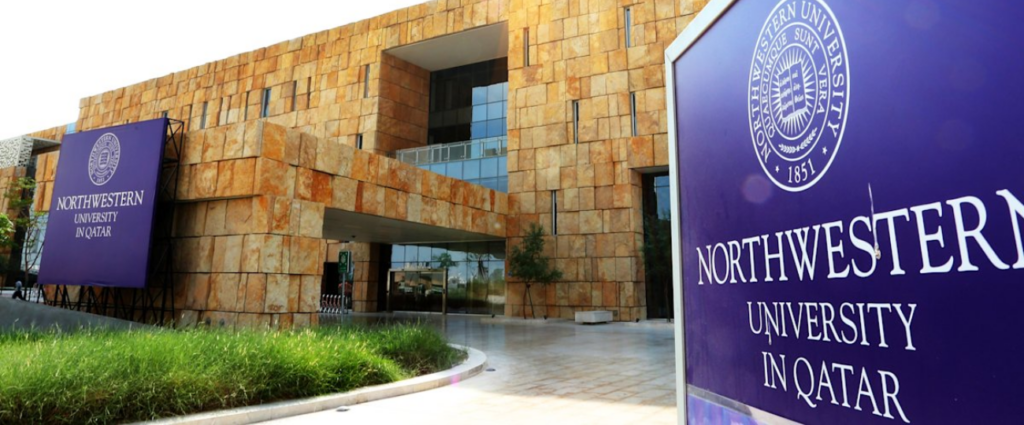
- Programs: Journalism, media, communications
- Estimated tuition: ~$0–$65,000/year (aid available)
- Admissions: Highly selective
What to expect:
Specialized, hands-on education in media and communications.
Best fit for:
Students interested in journalism, storytelling, or global media careers.
Virginia Commonwealth University School of the Arts in Qatar
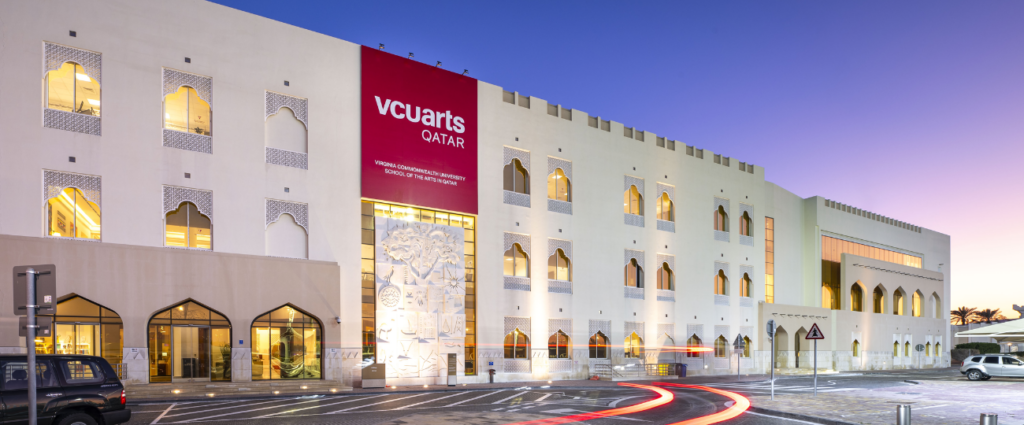
- Programs: Fashion design, graphic design, fine arts
- Estimated tuition: ~$0–$50,000/year (scholarships available)
- Admissions: Selective (portfolio required)
What to expect:
Studio-based programs with strong facilities and a creative focus.
Best fit for:
Students pursuing art or design who want a portfolio-driven education.
Weill Cornell Medicine – Qatar (Graduate Only)
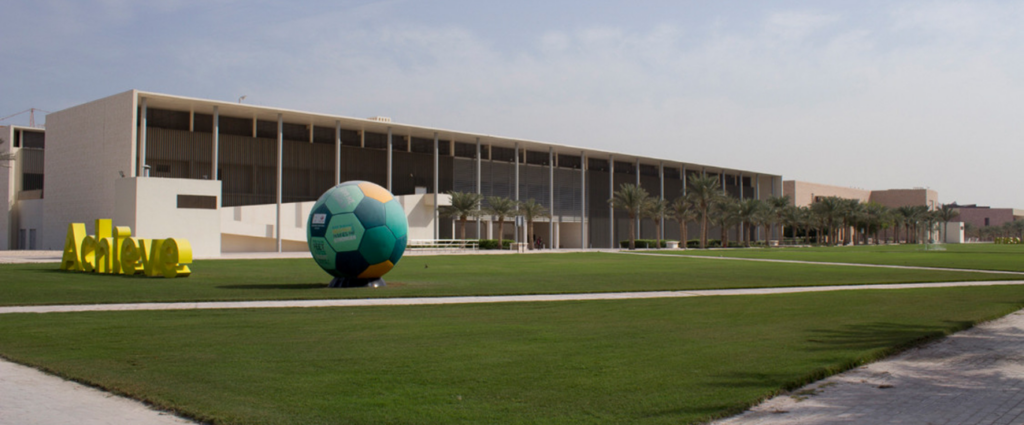
- Programs: Medicine
- Estimated tuition: ~$60,000+/year
- Admissions: Extremely selective
Note: This is not an undergraduate option, but worth mentioning for completeness.
Best fit for:
Students planning to pursue a medical degree at a highly competitive level.
Asia
(Smaller but growing)
New York University Shanghai (China)

- Programs: Business, economics, data science, social sciences
- Estimated tuition: ~$55,000/year
- Admissions: Highly selective
What to expect:
A global campus with a diverse international student body.
Best fit for:
Students interested in global careers, especially those connected to Asia.
Duke Kunshan University (China)
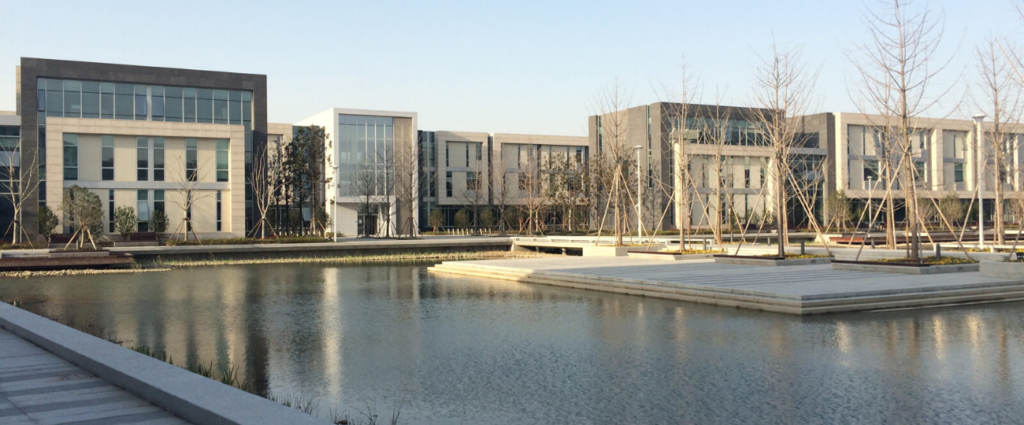
- Programs: Interdisciplinary liberal arts, global health, data science
- Estimated tuition: ~$50,000/year (aid available)
- Admissions: Selective
What to expect:
Collaborative and research-focused, with an interdisciplinary approach.
Best fit for:
Students who like flexibility across subjects and want to tackle global issues.
Temple University Japan (Tokyo)
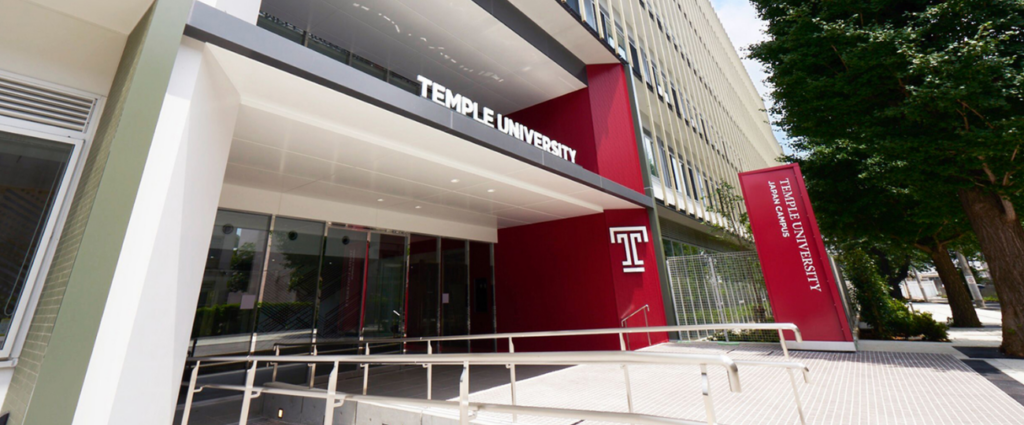
- Programs: Business, international affairs, communications
- Estimated tuition: ~$20,000–$30,000/year
- Admissions: More accessible
What to expect:
One of the oldest U.S. campuses abroad, with more flexible admissions.
Best fit for:
Students looking for a more straightforward path to a U.S. degree, especially in Japan.
Why U.S. Universities Are Opening Campuses Overseas
This isn’t happening by accident. A few key factors are driving it:
- Growing global demand for U.S. education
- Universities recruiting more international students
- Partnerships with foreign governments
- Opportunities to expand research and influence
Put simply, instead of requiring students to come to the U.S., universities are bringing their degrees to students.
And that changes things, especially for families who care about cost, flexibility, and having more control over the admissions process.
Is It Cheaper to Study at U.S. Campuses Overseas?
Short answer: sometimes, but not always.
Here’s a simple way to look at it:
| Expense Category | U.S. Campus (Average) | Overseas Branch Campus |
| Tuition | $30,000–$60,000/year | $20,000–$50,000/year |
| Housing | $10,000–$15,000 | $6,000–$12,000 |
| Total Annual Cost | $40,000–$75,000+ | $25,000–$60,000 |
So what does that actually mean?
Some campuses, especially in places like Qatar or Abu Dhabi, offer solid scholarships. Others cost about the same as studying in the U.S. And while living expenses are often lower, that really depends on the city.
There’s a bit more to it, though. These programs aren’t usually tuition-free like many European universities. They fall somewhere in the middle: cheaper than some U.S. schools, but not the most affordable option out there.
What to Expect From U.S. Branch Campuses Internationally
The experience is a little different from studying in the U.S., ,but maybe not in the ways you’d think.
Academics
- U.S.-style curriculum (liberal arts or major-focused)
- Ongoing assessment instead of just final exams
- Often smaller class sizes
Campus Life
- A diverse, international student body
- Housing is usually available
- Extracurricular options vary depending on campus size
Career Opportunities
- Access to internships in major global cities
- Exposure to multinational companies
- In some cases, pathways back to the U.S. for internships or grad school
The big picture: you’re getting U.S.-style academics combined with international career exposure.
Do U.S. Degrees Abroad Have the Same Value?
This is one of the first questions people ask, and it’s a fair one.
In most cases, yes. Degrees from U.S. branch campuses are:
- Accredited by the same organizations as the main campus
- Recognized by employers and graduate schools
- Equivalent on paper to degrees earned in the U.S.
That said, there are a few nuances:
- Some employers may not be familiar with specific campuses
- Networking opportunities can look different compared to the U.S.
- Alumni networks may be more regionally focused
So the degree holds value, but what you do with the experience matters just as much.
Find the Perfect Degree Program in Europe
Explore accredited bachelor’s and master’s programs with clear admissions and lower costs. Join thousands of students already studying across Europe.

How to Apply to American Universities Abroad
The process is similar to applying to U.S. colleges, with a few differences.
Typical Requirements
- High school transcript
- Standardized tests (optional at some campuses)
- Personal statement
- Letters of recommendation
Key Differences
- Admissions criteria can be more predictable
- Some campuses offer rolling admissions
- Smaller applicant pools
To be clear, these schools can still be selective. But in some cases, the process feels more transparent than highly competitive U.S. admissions.
How This Compares to European Universities
This is where things get interesting, and where many students need clarity.
| Feature | U.S. Branch Campuses Abroad | European Universities |
| Tuition | Moderate to high | Often low or free |
| Admissions | Holistic | Merit-based, transparent |
| Degree Style | U.S. system | Early specialization |
| Language | English | Many English options |
| Cost Efficiency | Moderate | High |
So what does that really mean?
If your main goal is keeping costs as low as possible, European public universities usually come out ahead.
If you want a U.S.-style education while living abroad, branch campuses can be a better fit.
The Truth About U.S. Degrees Abroad
Here’s the honest take: these programs sit somewhere in between.
- More accessible and sometimes more affordable, than studying in the U.S.
- Still more expensive than many European public universities
That changes how you think about the decision. You’re not just choosing a school, you’re choosing a system.



Tips for Choosing the Right Option
- Look at total cost, not just tuition
- Confirm who actually issues the degree and its accreditation
- Check internship and career placement opportunities
- Think about location and access to industries you care about
- Review admissions requirements early
At the end of the day, it comes down to your priorities, cost, experience, or academic structure.
Who Is This a Good Fit For?
U.S. universities abroad tend to work well for students who:
- Want a U.S. degree but prefer to study internationally
- Are okay with moderate tuition (not necessarily the cheapest option)
- Like smaller, globally diverse campuses
- Prefer a familiar academic system
They’re less ideal if your main goal is minimizing cost.
Common Misconceptions
“It’s the same as studying abroad for a semester.”
Not really. These are full degree programs, not short-term exchanges.
“It’s cheaper across the board.”
Not always. Some campuses are still expensive.
“The degree isn’t recognized.”
In most cases, it’s fully accredited and widely recognized.
“Admissions are easier.”
They can be more predictable, but they’re still competitive.
Frequently Asked Questions
We’re here to help answer your questions about American Universities With Campuses Abroad
Often, yes. Many programs allow you to spend time at the main campus.
Yes. Some locations, especially in the Middle East, offer strong financial aid.
Usually, yes. The degree is typically issued by the U.S. university.
Sometimes more predictable, but still selective.
Not automatically. Visa options are different compared to studying in the U.S.
Final Thoughts: Is This the Right Path?
U.S. universities abroad can be a really solid option. You get a U.S. degree, an international experience, and in some cases, lower costs.
But they’re not the cheapest option, and they’re not the only way to study internationally.
At Beyond The States, we focus on helping students compare all options including tuition-free universities across Europe so you can make a fully informed decision.
If you’re exploring global degree options, start by reviewing vetted programs or take our quick quiz to identify the best-fit countries and universities for your goals. Or schedule a strategy session to map out your options clearly.
Because in the end, it’s not just about where you study. It’s about what you get out of it, and what you avoid paying for along the way.