3 Year Bachelor Degree
Most U.S. students grow up assuming a bachelor’s degree takes four years. It’s just how things are done academically and financially. But that assumption can end up costing families both time and money.
Here’s the part many people miss.
In much of Europe, a bachelor’s degree usually takes three years, not four. These aren’t study abroad programs or exchange semesters, they’re full degrees from accredited universities, often taught entirely in English and recognized around the world.
That changes the picture quite a bit.
Summary
What Is a 3 Year Bachelor Degree?
In most European countries, three years is the standard length for a bachelor’s degree. Instead of mixing general education with major courses over four years, students dive into their field from the start.
Here’s how it works:
- You apply directly to a specific major (like business, engineering, or psychology)
- There are fewer general education requirements
- Classes are focused on your subject from year one
- The degree is completed in three academic years
This system is part of the Bologna Process, which helps standardize higher education across Europe so degrees are consistent and recognized internationally.
3 Year vs 4 Year Bachelor Degree Comparison
Here’s a straightforward comparison:
| Feature | U.S. Bachelor’s Degree | European 3-Year Degree |
| Duration | 4 years | 3 years |
| Structure | General education + major | Direct entry into major |
| Cost (average total) | $100,000–$300,000+ | $15,000–$90,000 total |
| Admissions | Holistic, unpredictable | Merit-based, transparent |
| Flexibility | More exploration | More specialization |
| Recognition | Global | Global |
One thing worth clearing up: shorter doesn’t mean easier or less valuable. European programs cut out a lot of the extra coursework and get straight to the point. Students start their core studies earlier, so there’s less repetition not less rigor.



Why Students Choose 3-Year Degrees in Europe
1. Lower Overall Cost
This is usually the biggest factor.
- Tuition can range from free to about $15,000 per year
- Living costs are often similar to U.S. college towns
- You’re paying for one less year of everything
Typical totals:
- U.S. private university (4 years): $200,000–$320,000
- European degree (3 years): $30,000–$90,000 total
Even without scholarships, that’s a big difference.
2. You Graduate Sooner
Finishing a year earlier means:
- You can start working sooner
- Or begin grad school earlier
- You avoid the cost (and delay) of an extra year
Over time, that head start can really add up financially.
3.More Predictable Admissions
European admissions tend to be clearer about what they’re looking for.
Admissions decisions are usually based on:
- GPA
- Required high school courses
- Sometimes test scores
So instead of guessing, students usually know where they stand and where they have a strong chance of getting in.
4. Built-In International Experience
This isn’t just a semester abroad.
Students spend three full years living in another country. That naturally builds:
- Independence
- Cross-cultural communication skills
- A broader perspective
Those are things employers increasingly value, especially in global industries.
5. Strong Academic Focus
European programs are more concentrated.
- Fewer electives
- More depth in your subject
- Earlier access to advanced material
If you already know what you want to study, this setup can work really well.
Are 3 Year Degrees Recognized in the U.S.?
Short answer: yes, most of the time.
European bachelor’s degrees are:
- Accredited in their home countries
- Structured under international standards (Bologna Process)
- Accepted by many U.S. employers and grad schools
That said, there are a few details to keep in mind.
Graduate School Considerations
Some U.S. graduate programs may:
- Accept a 3-year degree as-is
- Ask for a one-year master’s first
- Review your credentials individually
This is where planning ahead matters. Choosing the right program can make a big difference if grad school is part of your plan.
At Beyond The States, we help students choose programs that align with their long-term goals including U.S. graduate school pathways when relevant.
What Does It Cost to Study in Europe?
Costs vary by country, but many options are more affordable than people expect.
Countries with Low or No Tuition
- Germany – Often tuition-free (just small administrative fees)
- Norway – Free public universities (though fewer English programs)
- Austria – Low tuition for international students
Moderate Tuition Countries
- Netherlands – ~$8,000–$15,000/year
- Italy – ~$1,000–$5,000/year (sometimes income-based)
- Spain – ~$1,000–$4,000/year
Cost Breakdown Example (Annual)
| Expense | Estimated Cost |
| Tuition | $0–$15,000 |
| Housing | $6,000–$12,000 |
| Food | $3,000–$5,000 |
| Transportation | $500–$1,500 |
| Total | $10,000–$30,000 |
Compared to U.S. college costs, it’s a completely different equation.
Top Accredited European Universities with 3-Year English-Taught Bachelor Programs
These aren’t random picks. Each of these universities is well-known, fully accredited, and has a solid academic reputation. They also offer clear, straightforward admissions processes.
1. University of Amsterdam – Netherlands

- Tuition: $8,000–$15,000/year
- Popular Programs: Economics, Business, Psychology, Political Science
- Ranking/Popularity: Consistently ranked among the top 100 globally (QS 2025: #58). Highly sought after for research-led programs and international environment.
This is one of Europe’s most recognized universities. Programs are fully in English, and you apply directly to your major. Admissions are merit-based and pretty transparent, which makes the process easier to navigate.
2. Maastricht University – Netherlands

- Tuition: $9,000–$14,000/year
- Popular Programs: International Business, Law, Psychology, European Studies
- Ranking/Popularity: QS 2025 ranked #233 globally; famous for its Problem-Based Learning system and international focus.
Maastricht stands out for its teaching style. It uses Problem-Based Learning, which means classes are interactive and discussion-heavy. It’s also very international, with students from all over the world.
3. Trinity College Dublin – Ireland
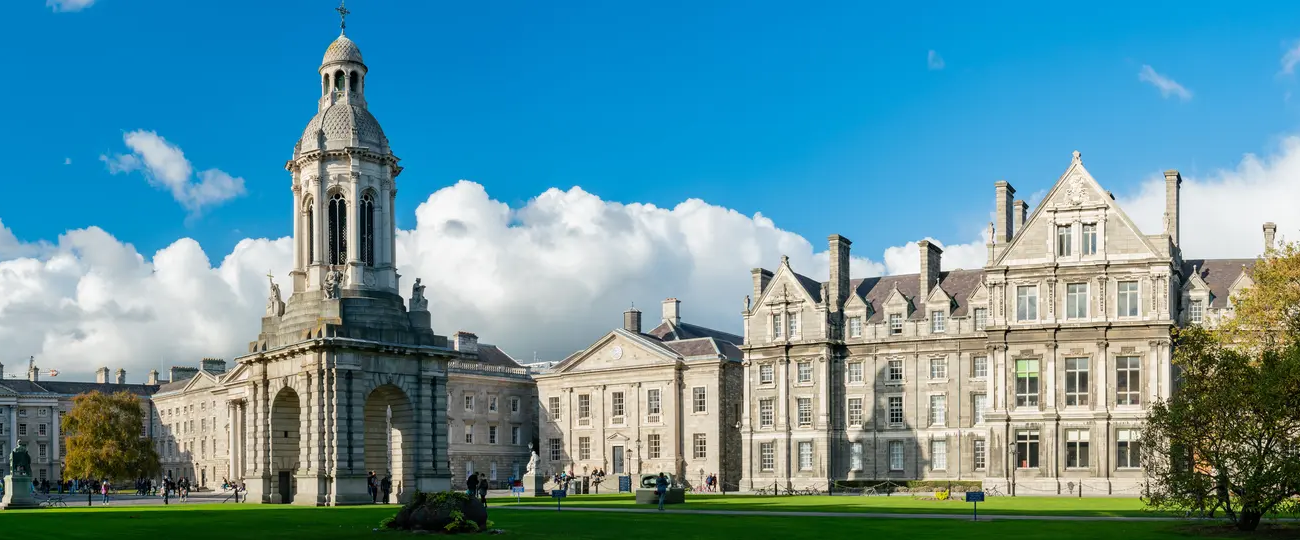
- Tuition: $18,000–$25,000/year
- Popular Programs: Business, Computer Science, Humanities, Social Sciences
- Ranking/Popularity: Ireland’s top university; QS 2025: #110 globally. Historic prestige and strong U.S. recognition.
This is Ireland’s top university and carries a lot of global recognition, especially in the U.S. Admissions are competitive but clear, and graduates tend to do well when it comes to jobs.
4. University College Dublin – Ireland

- Tuition: $16,000–$22,000/year
- Popular Programs: Engineering, Science, Business, Arts
- Ranking/Popularity: QS 2025: #211 globally; highly regarded in STEM and business. Large international student population.
UCD is strong in STEM and business, and it has a large international student population. Admissions are merit-based, deadlines are clear, and there’s solid support for international students once you arrive.
5. Bocconi University – Italy

- Tuition: $15,000–$20,000/year
- Popular Programs: Economics, Management, Finance
- Ranking/Popularity: Europe’s #1 business university (QS 2025 for Business & Management: #7 in Europe).
If you’re focused on business, Bocconi is a big name. It’s selective, but the payoff is strong its programs are respected worldwide and taught entirely in English.
6. University of Bologna – Italy
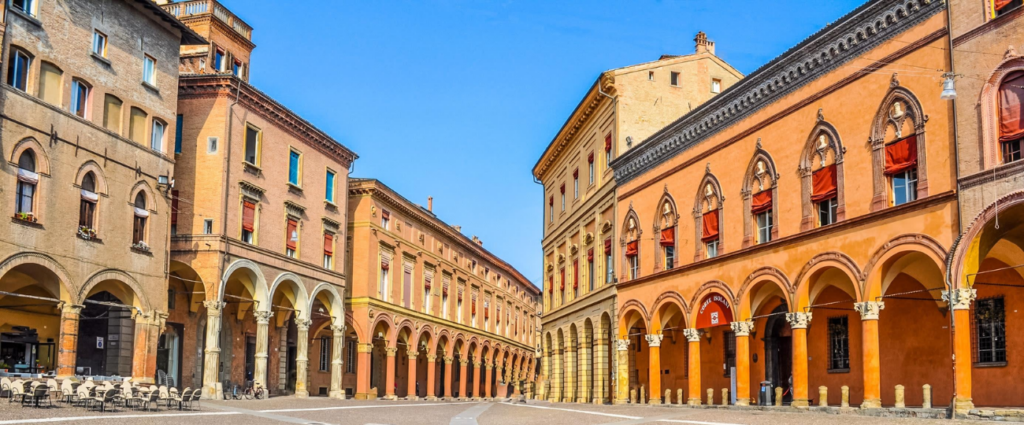
- Tuition: $1,500–$5,000/year
- Popular Programs: Humanities, Economics, Political Science, Engineering
- Ranking/Popularity: QS 2025: #176 globally; one of the oldest and most historic universities in Europe.
One of the oldest universities in the world, and still highly respected. It’s also one of the most affordable options on this list, which makes it especially appealing.
7. University of Groningen – Netherlands
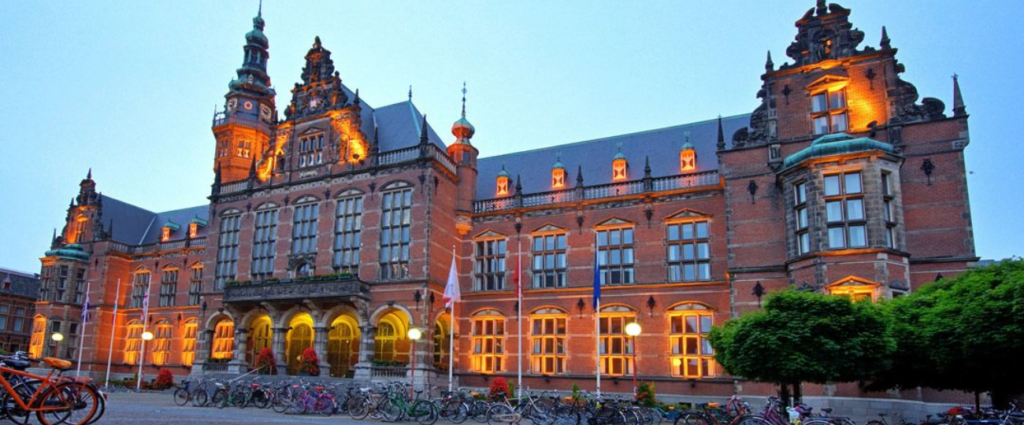
- Tuition: $9,000–$13,000/year
- Popular Programs: Business, Economics, Computer Science, Psychology
- Ranking/Popularity: QS 2025: #133 globally; popular for its research output and international student programs.
Groningen is known for strong research and a wide range of English-taught programs. The admissions process is clear, and there’s a big focus on student support and career preparation.
8. Lund University – Sweden

- Tuition: $10,000–$15,000/year
- Popular Programs: Engineering, Economics, International Relations, Social Sciences
- Ranking/Popularity: QS 2025: #91 globally; highly respected for innovative teaching and research.
Lund has a strong reputation for both teaching and research. Programs are in English, and the university has a well-connected alumni network, which can be helpful down the line.
Discover all the English-taught European college programs in one place.
Beyond the States provides easy access to 12,600+ European bachelor’s and master’s programs across 870 universities, 550 cities, and 212 areas of study, plus all the resources you need to get there.
3400+
English-taught bachelor’s programs in our database.
550
Beautiful European cities to choose from.
$360,170
Typical savings against a private university in the US.
8200+
English-taught master’s programs in our database.
870
Top-tier universities accepting international students.
$65,038
Typical savings against in-state tuition in the US.
How to Apply to Bachelor Programs in Europe
The process is different from the U.S., but usually simpler.
Step 1: Choose Your Program
You apply directly to a specific major. There’s no “undeclared” option at most schools.
Find the Perfect Degree Program in Europe
Explore accredited bachelor’s and master’s programs with clear admissions and lower costs. Join thousands of students already studying across Europe.

Step 2: Check requirements
Each program clearly lists what you need:
- Required GPA
- Required high school courses
- English proficiency (if needed)
Step 3: Prepare your documents
Most applications include:
- High school transcript
- Diploma (or proof you’re graduating)
- Passport copy
- Sometimes Motivation letter
Step 4: Submit your application
Deadlines are often between:
- January–April for fall start
Step 5: Receive Decision
Admissions decisions usually come faster and feel more predictable than in the U.S.

Who Is a 3-Year Degree a Good Fit For?
This path tends to work well if you:
- Want a more affordable college option
- Already know what you want to study
- Prefer a clear, structured admissions process
- Are open to living abroad abroad
- Value international experience
It might not be the best fit if you:
- Want to explore multiple majors first
- Prefer the traditional U.S. campus experience
- Need a lot of flexibility early on
Common Misconceptions About 3 Year Degrees
“It’s a shortcut or less rigorous.”
Not really. European degrees are just more focused from the start.
“Employers won’t recognize it.”
Most employers care more about your skills and experience. A degree from a reputable European university still carries weight.
“You can’t come back to the U.S.”
You can. Many students return for jobs, grad school, or professional licensing.
“It’s only for top students.”
There’s a wide range of programs. It’s more about finding the right fit than chasing the most selective school.
The key is finding the right fit, not just the most selective option.
Frequently Asked Questions
We’re here to help answer your questions about 3 Year Bachelor Degrees in Europe
Yes. Most employers accept it, and many grad programs do too though some may ask for extra coursework or a master’s.
Yes. There are thousands of English-taught programs across Europe.
Typically between $30,000 and $90,000 total, including tuition and living expenses.
No, not for English-taught programs. But learning the local language can make daily life easier.
In most countries, yes usually part-time under student visa rules.
Final Thoughts
A 3 year bachelor degree in Europe isn’t a backup plan it’s a standard path in many parts of the world.
You get:
- Lower cost
- Shorter timeline
- Clearer admissions
- A focused academic experience
For the right student, it just makes sense.
If you’re curious, start by exploring programs, comparing countries, and understanding your options. You can also take the Beyond The States quiz or schedule a strategy session to map out a plan that fits your goals.