Best Places to Live in Italy
Italy consistently ranks as one of the most desirable places to live in the world. What’s especially interesting is that, for many Americans, living in Italy can actually cost less than living in a major U.S. city. At the same time, you’ll have access to affordable healthcare, reliable public transportation, and internationally recognized universities.
If you’re thinking about earning a fully accredited degree abroad, not just studying overseas for a semester, Italy is well worth considering. The country offers hundreds of English-taught bachelor’s and master’s programs at respected universities, often at a fraction of the cost of U.S. tuition. Pair that with a high quality of life, and it’s easy to understand why more American students and families are exploring Italy as an alternative.
Summary
What Are the Best Places to Live in Italy?
The best place to live in Italy depends on what matters most to you. Are you focused on building a career? Keeping your living costs down? Finding a family-friendly community? Or staying close to top universities?
Here’s a quick comparison.
| City | Best For | Cost of Living | English Spoken | Safety | Universities |
|---|---|---|---|---|---|
| Milan | Careers, international professionals | High | Excellent | Very Good | Excellent |
| Bologna | Students, academics | Moderate | Good | Excellent | Outstanding |
| Florence | Culture, students | Moderate to High | Good | Very Good | Excellent |
| Turin | Affordability, engineering | Moderate | Moderate | Excellent | Excellent |
| Verona | Families, quality of life | Moderate | Moderate | Excellent | Good |
| Trento | Safety, outdoor lifestyle | Moderate | Moderate | Outstanding | Excellent |
Each of these cities offers something different, but all provide access to Italy’s strong infrastructure, healthcare system, and well-respected universities.
Milan

Milan is Italy’s financial and business hub.
It’s home to multinational companies, growing startups, and professionals from around the world. For students, that often means better internship opportunities and stronger connections with global employers.
Some of Milan’s biggest advantages include:
- Strong job market
- Extensive public transportation
- Large international community
- Excellent English-taught university programs
- Easy access to international travel
The biggest downside is the cost. Housing in Milan is noticeably more expensive than in most other Italian cities.
Bologna
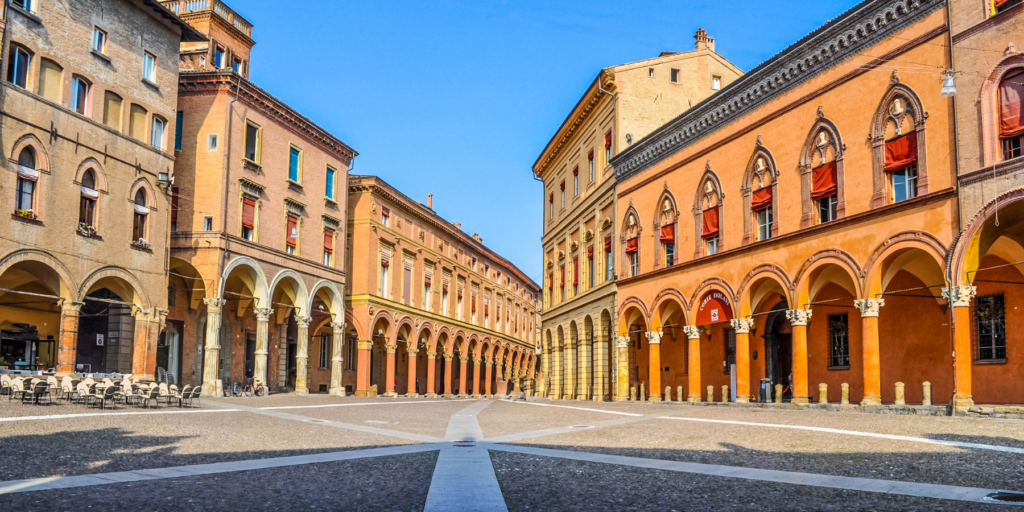
Bologna is widely known as one of Italy’s best student cities.
Home to one of the oldest universities in the world, it combines academic excellence with a walkable historic center and relatively affordable living costs.
Students especially enjoy:
- A lively university atmosphere
- Outstanding food culture
- Reliable public transportation
- Lower rent than Milan
- A central location that’s convenient for travel
For many American students earning a full degree abroad, Bologna offers one of the best balances between affordability and opportunity.
Florence
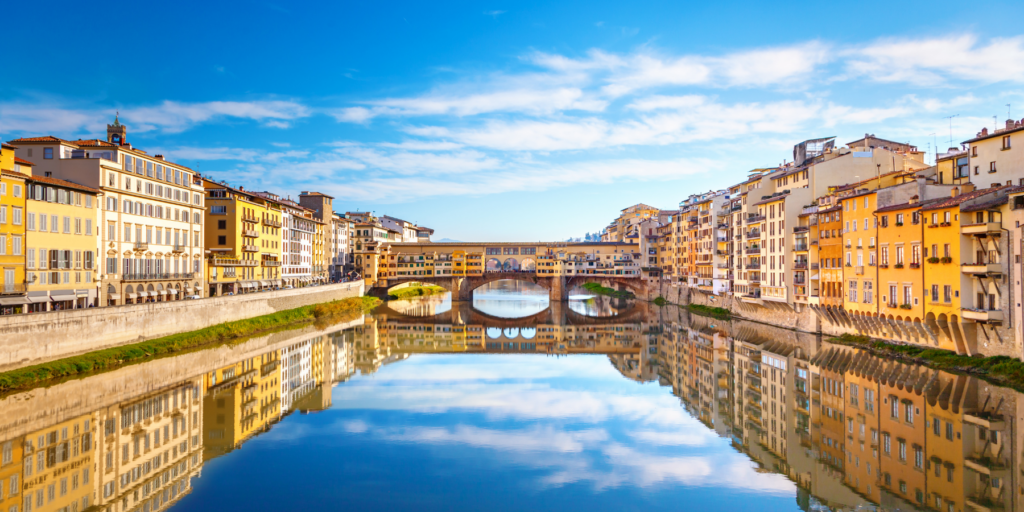
Florence blends history, art, and education in a way few cities can.
Tourism does push up housing prices in the city center, but many surrounding neighborhoods remain affordable for students and professionals.
Florence is a great choice if you value:
- Arts and humanities
- International student communities
- Walkable neighborhoods
- Rich cultural experiences
- High-quality healthcare
Turin
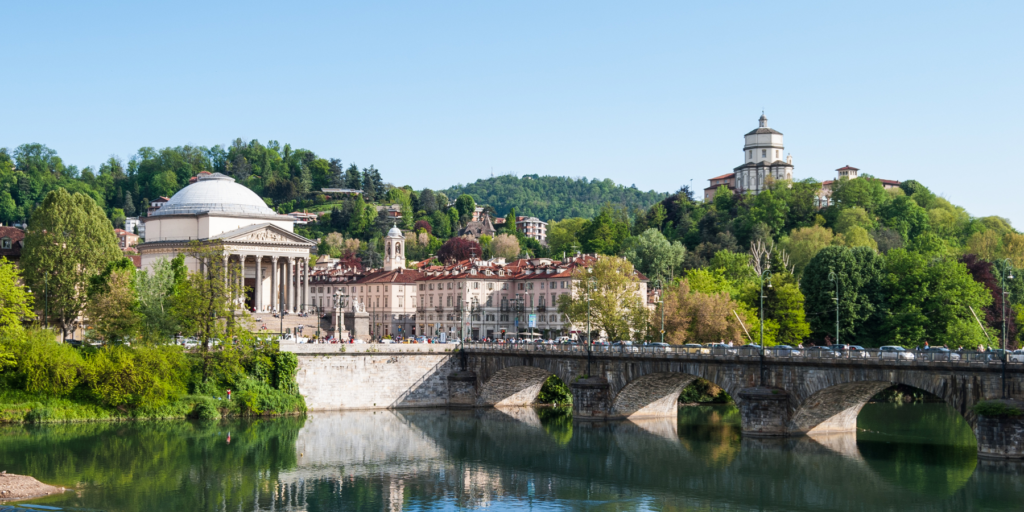
Turin is one of Italy’s most underrated cities.
Once known primarily as an industrial center, it’s now attracting technology companies, engineering talent, and university students.
Compared with Milan, you’ll typically find:
- Lower housing costs
- Less crowded neighborhoods
- Strong engineering programs
- Excellent public transportation
- A high quality of life
Verona
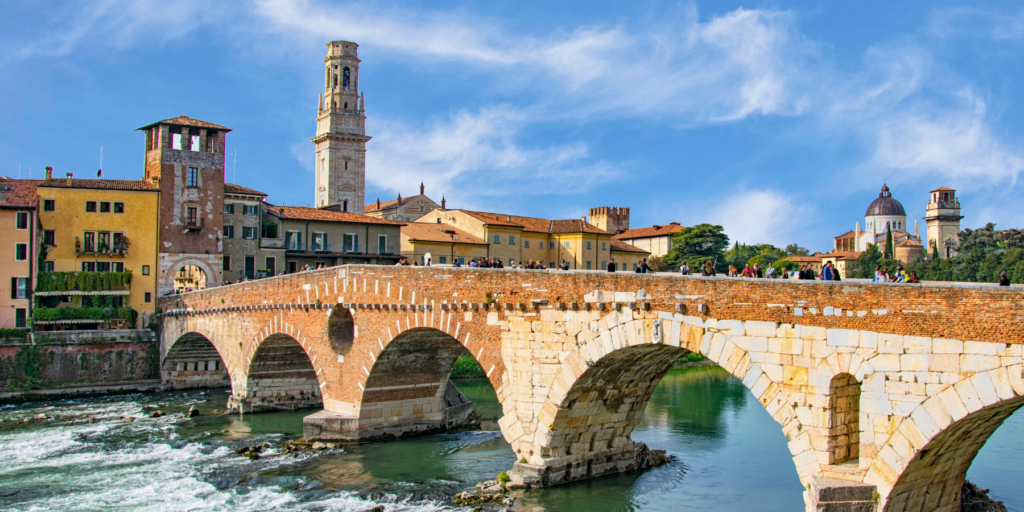
Verona offers the convenience of a mid-sized city with an excellent quality of life.
Families especially appreciate:
- Safe neighborhoods
- Excellent schools
- Efficient healthcare
- Convenient rail connections
- Less tourism than Florence
Trento
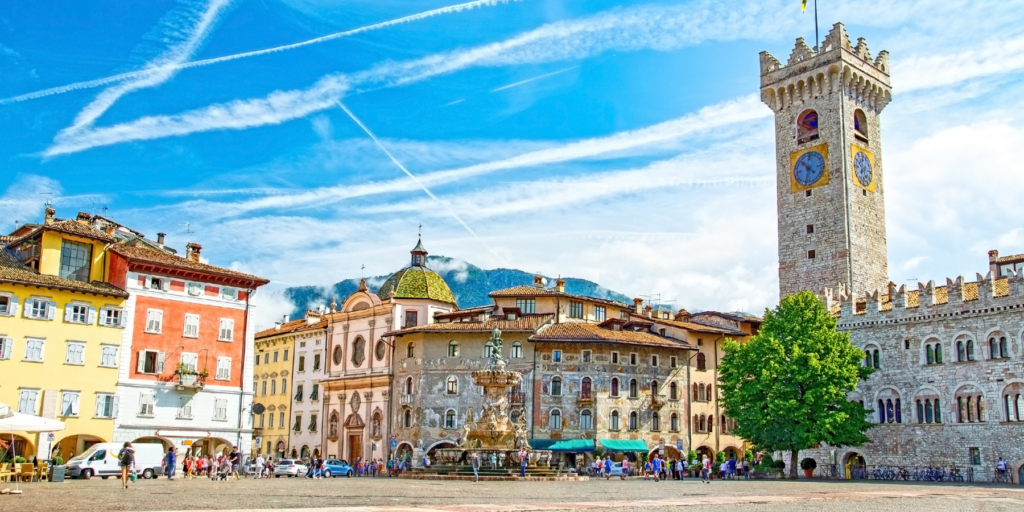
If safety and outdoor living are high on your list, Trento is worth a closer look.
Located near the Alps, the city regularly ranks among Italy’s best places to live for overall quality of life.
Residents enjoy:
- Very low crime
- A clean environment
- Strong public services
- An excellent university
- Outdoor activities throughout the year
Why Should You Consider Living in Italy?
Italy offers much more than beautiful scenery.
For Americans thinking about studying abroad, it combines affordable education with degrees that are recognized around the world.
Lower Education Costs
Many public universities in Italy charge much lower tuition than comparable universities in the United States.
Depending on the university, program, and your family’s financial situation, international students often pay between $1,000 and $5,000 per year, with some programs costing even less.
That can make a huge difference. Graduating with less student debt gives you more flexibility after college.
Internationally Recognized Degrees
Italian universities are part of the European Higher Education Area.
As a result, their degrees are generally recognized internationally and are commonly accepted by graduate schools and employers around the world.
If you’re planning to continue your education or build an international career, that’s reassuring to know.
Affordable Healthcare
Italy’s healthcare system is consistently ranked among the best in the world.
Depending on their situation, international students may be able to access affordable healthcare through regional healthcare systems or student insurance plans.
Excellent Transportation
In many Italian cities, owning a car isn’t necessary.
High-speed trains connect major cities quickly, while local buses, trams, and metro systems make everyday travel easy and affordable.
Cost Breakdown: Living in Italy
Living costs can vary quite a bit depending on where you choose to live.
Here’s a general monthly estimate for one person.
| Expense | Milan | Bologna | Turin | Florence |
|---|---|---|---|---|
| Rent | $900–$1,500 | $700–$1,100 | $600–$950 | $750–$1,200 |
| Utilities | $120–$220 | $120–$200 | $120–$180 | $120–$200 |
| Groceries | $250–$400 | $250–$400 | $250–$400 | $250–$400 |
| Transportation | $35–$60 | $35–$55 | $35–$55 | $35–$60 |
| Total | $1,400–$2,200 | $1,150–$1,750 | $1,000–$1,600 | $1,200–$1,900 |
Your actual monthly expenses will depend on where you live, the type of housing you choose, and your lifestyle.
What Are the Best Places to Live in Italy for Americans?
Many Americans look for places with good healthcare, English-speaking communities, convenient transportation, and an easier transition to life abroad.
Some of the best options include:
Milan
A great choice for professionals, MBA students, and anyone interested in working for multinational companies.
Florence
A favorite among Americans thanks to its well-established international community and familiar cultural appeal.
Bologna
An excellent option for students looking for affordable English-taught degree programs.
Rome
Rome is larger and busier than many other Italian cities, but it offers unmatched history, numerous universities, international organizations, and diplomatic career opportunities.
What Are the Best Places to Live in Italy for Expats?
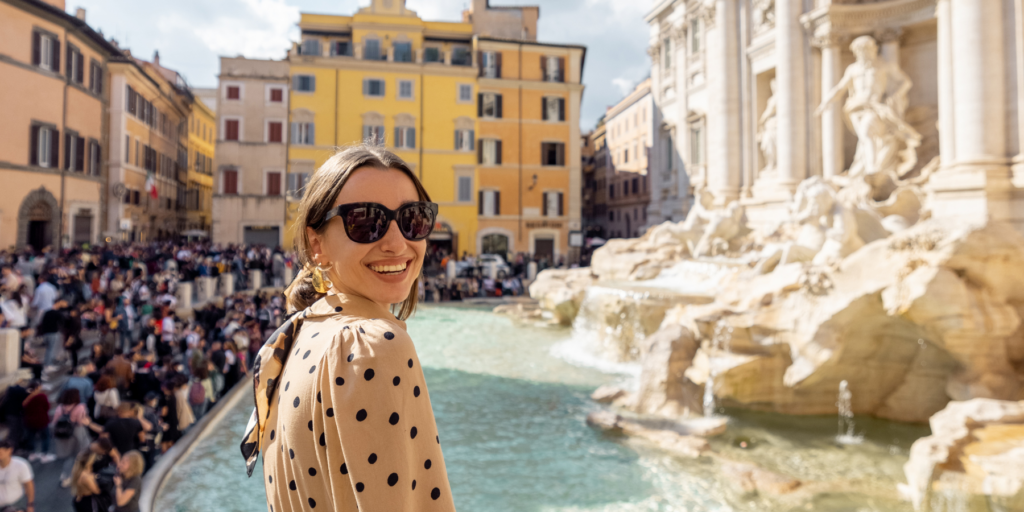
Many expats look for places where settling in feels a little easier.
Some of the most popular choices include:
Milan
Italy’s largest international professional community.
Lake Garda Region
A popular destination for Northern European retirees and remote workers.
Florence
Known for its creative industries, international schools, and well-established expat networks.
Bologna
Home to a growing community of international students and professionals.
What Are the Safest Places to Live in Italy?

Italy is generally considered a safe country, but some cities stand out for their consistently strong safety records.
Trento
Trento is frequently recognized as one of the safest cities in Italy.
Bolzano
Exceptional public services and an excellent quality of life.
Verona
Known for its low violent crime rates and family-friendly neighborhoods.
Parma
A welcoming city with strong community ties, excellent healthcare, and reliable local services.
Like any country, Italy’s larger cities tend to have more pickpocketing in busy tourist areas than smaller towns.
Which Italian Cities Are Best for Families?

For families, things like good schools, quality healthcare, parks, public transportation, and safe neighborhoods usually top the list.
Some of the best options include:
Verona
A great balance of affordability, convenience, and essential services.
Parma
Well known for its outstanding food, excellent healthcare, and neighborhoods that are especially welcoming to families.
Trento
Offers highly rated schools, easy access to outdoor activities, and one of the safest environments in Italy.
Bologna
An excellent choice for families, especially those interested in a city with strong universities and a thriving research community.
What Are the Best Places to Retire in Italy?

When choosing where to retire, most people look for good healthcare, reasonable living costs, a pleasant climate, and a slower pace of life.
Some of Italy’s most popular retirement destinations include:
Sicily
Offers warm weather and generally lower housing costs.
Puglia
Known for its beautiful coastline and growing international communities.
Umbria
Peaceful towns, scenic landscapes, and relatively affordable property make it a favorite for many retirees.
Abruzzo
Great value for the cost, with convenient connections to larger cities.
Before making the move, it’s worth taking a close look at residency requirements, taxes, and healthcare eligibility.
Who Is This a Good Fit For?
Living in Italy could be a great choice if you:
- Want to earn a full, internationally recognized degree abroad
- Hope to lower your college costs
- Enjoy walkable cities
- Want easy access to the rest of Europe
- Prefer using public transportation instead of driving everywhere
- Are open to adapting to a different culture
- Want an internationally focused education
It may be a less natural fit if you prefer suburban, car-dependent living or expect every service to be available in English.
Common Misconceptions About Living in Italy
“Degrees from Italy aren’t recognized.”
That’s a common myth.
Italian universities award internationally recognized degrees, especially through the Bologna Process, which helps standardize higher education across Europe.
“You must speak fluent Italian.”
Not necessarily.
Many universities offer complete degree programs taught entirely in English.
Learning Italian will definitely make everyday life easier, but you don’t need to be fluent before you start.
“Living abroad is only for wealthy students.”
In many cases, the opposite is true.
With lower tuition and, in many areas, lower living expenses, earning a degree in Italy can cost less than attending many universities in the United States.
“Studying abroad means delaying graduation.”
That can happen with semester-abroad programs because transferring credits isn’t always straightforward.
But if you earn a full degree abroad, you complete your entire program at one accredited university, which avoids many of those credit-transfer issues.
Frequently Asked Questions
We’re here to help answer your questions about best places to live in Italy
Yes. Italy offers excellent healthcare, reliable public transportation, internationally recognized universities, and a high quality of life. The best city for you depends on your budget, career goals, and the lifestyle you’re looking for.
Trento is widely considered one of the safest cities in Italy. Bolzano, Verona, and Parma also have strong reputations for safety.
Compared with many U.S. universities, yes. Tuition at public universities is often much lower, and living expenses outside major cities like Milan can be quite affordable.
Yes. Italy offers hundreds of bachelor’s and master’s degree programs taught entirely in English at accredited universities. These are full degree programs not study abroad experiences and many are recognized internationally for both graduate school and employment.
Cities like Trento, Bologna, Verona, and Bolzano consistently rank among Italy’s best for safety, healthcare, public services, and overall quality of life.
Yes. American students enrolling in a full-time degree program in Italy generally need a student visa before they arrive. Universities typically guide students through the application process.
Final Thoughts
Choosing the best place to live in Italy really comes down to what matters most to you. Milan is a strong choice for career opportunities. Bologna is especially popular with students. Trento stands out for its safety, Florence blends education with culture, and Turin offers a more affordable cost of living along with excellent universities.
For American students and families, the biggest opportunity often goes beyond spending a semester abroad. Italy gives you the chance to earn a full accredited degree in English at internationally recognized universities, often with a more straightforward admissions process and significantly lower tuition than many U.S. institutions.
At Beyond The States, we help students explore and compare English-taught degree programs across Europe, focusing on affordability, transparency, and academic quality.
If you’re considering Italy or another European country we invite you to browse available programs, compare your options, or take our Beyond The States quiz to find the schools that best match your goals. We’re here to help you make a confident, informed decision every step of the way.