Colleges With High Acceptance Rates
Getting into college in the U.S. feels tougher every year. Acceptance rates are dropping, costs keep climbing, and the whole process can feel unpredictable.
Here’s something a lot of families don’t realize:
You don’t have to go through all that.
It’s possible to earn a fully accredited bachelor’s degree abroad often in English at universities with high acceptance rates, straightforward admissions, and much lower costs. In many cases, the process is simply clearer and less competitive than what you’ll find in the U.S.
Summary
What Are Colleges With High Acceptance Rates?
Colleges with high acceptance rates admit a large percentage of applicants often 60% to 90% or higher.
That doesn’t mean they’re low quality.
In much of Europe, admissions are based on meeting specific criteria rather than competing against other applicants. If you hit the academic requirements, you’re likely in. There’s less focus on essays, extracurriculars, or subjective factors.
What that looks like in practice:
- Clear GPA and coursework requirements
- Fewer application pieces
- More predictable outcomes
- Less stress trying to “stand out”
And this is the key difference.
Many European universities are built to educate as many qualified students as possible, not filter them out. So access is wider, but standards are still solid.
Why Europe Leads in Low-Competition Universities Worldwide
Here’s the bigger picture.
Most European universities are part of national education systems. Their goal is to educate and prepare students for the workforce, not to be exclusive.
That leads to:
- Higher acceptance rates
- Lower tuition (often subsidized)
- Standardized admissions criteria
- Less emphasis on “holistic” review
Compare that to the U.S., where applications often include:
- Essays
- Extracurriculars
- Recommendation letters
- Institutional priorities
Those things can matter, but they don’t always reflect academic readiness.
Easy EU Universities to Get Into
Here are a few examples of European universities that combine high acceptance rates, solid reputations, and English-taught programs.
1. University College Dublin (Ireland)

- Acceptance Rate: ~85%
- Language: English
- Tuition: $15,000–$25,000/year
- Known for: Business, engineering, life sciences
Why it stands out: Known for clear, GPA-based admissions and global recognition
2. University of Groningen (Netherlands)
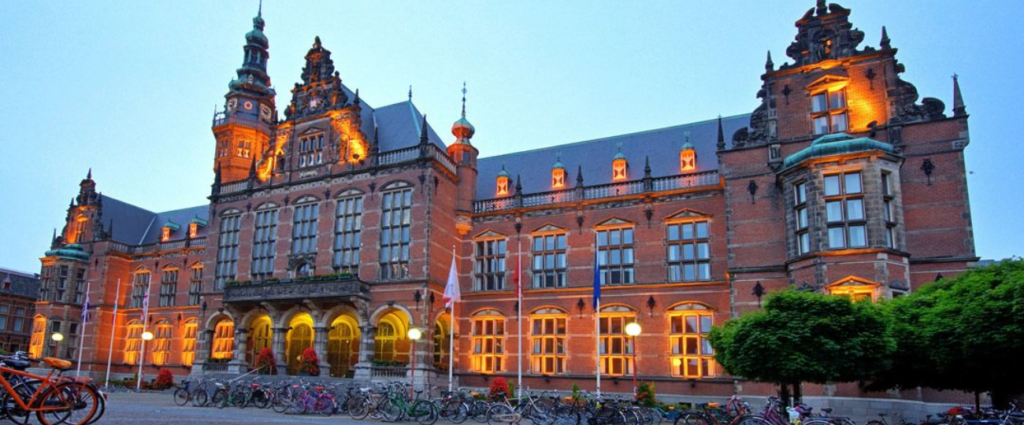
- Acceptance Rate: ~70–80%
- Language: English programs available
- Tuition: ~$9,000–$16,000/year
- Known for: Economics, psychology, international relations
Publishes grade equivalencies for U.S. students, which makes things more transparent
3. University of Debrecen (Hungary)

- Acceptance Rate: ~80–90%
- Language: English programs widely available
- Tuition: $5,000–$8,000/year
- Known for: Medicine, science, engineering
A good option if affordability is a priority
4. University of Porto (Portugal)

- Acceptance Rate: High (varies by program)
- Language: Mix of Portuguese and English programs
- Tuition: ~$3,000–$7,000/year
- Known for: Engineering, architecture, business
Lower cost of living adds to the appeal
5. University of Pécs (Hungary)

- Acceptance Rate: ~85%
- Language: English programs
- Tuition: $5,000–$8,000/year
Admissions are structured and straightforward, with minimal subjectivity
U.S. Options With High Acceptance Rates
If you’d rather stay closer to home, there are still U.S. schools with relatively high acceptance rates, though they’re usually more expensive.
6. University of Kansas (USA)
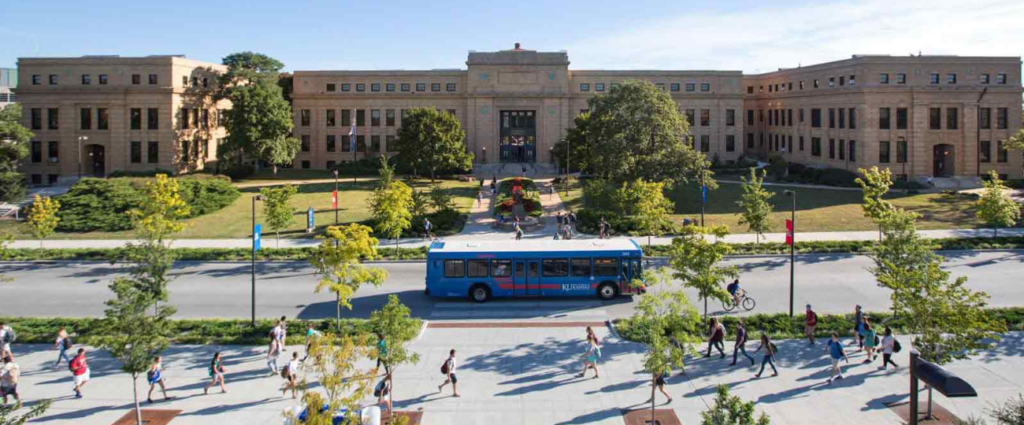
- Acceptance Rate: ~88%
- Tuition: ~$28,000/year (out-of-state)
- Known for: Business, journalism, engineering
Admissions are more accessible but still include a broader review
7. Arizona State University (USA)

- Acceptance Rate: ~85%
- Tuition: ~$30,000/year (out-of-state)
- Known for: Innovation, business, technology
Large university with flexible admissions pathways
8. Iowa State University (USA)

- Acceptance Rate: ~89%
- Tuition: ~$27,000/year (out-of-state)
- Known for: Engineering, agriculture, design
More predictable admissions compared to highly selective schools
Affordable Universities for International Students (EU)
For many students, cost is the deciding factor.
Here’s a rough comparison for European universities:
| University | Tuition (USD/year) | Estimated Living Costs | Total Annual Cost |
| University of Debrecen (Hungary) | $5,000–$8,000 | $6,000–$9,000 | $11,000–$17,000 |
| University of Porto (Portugal) | $3,000–$7,000 | $8,000–$12,000 | $11,000–$19,000 |
| University of Warsaw (Poland) | $3,000–$6,000 | $6,000–$10,000 | $9,000–$16,000 |
| University of Granada (Spain) | $1,000–$4,000 | $8,000–$12,000 | $9,000–$16,000 |
Compare that to many U.S. schools, where total costs often land between $30,000 and $70,000 per year.
That’s a big difference and it can completely change how you think about college.
Find the Perfect Degree Program in Europe
Explore accredited bachelor’s and master’s programs with clear admissions and lower costs. Join thousands of students already studying across Europe.
Benefits of Attending High Acceptance Rate Universities
A higher acceptance rate doesn’t mean you’re settling. In many cases, it just means the process is clearer.
1. Predictable Admissions
You know the requirements upfront, and they don’t change.
2. Lower Stress
Fewer subjective factors means less second-guessing.
3. Cost Savings
Tuition and living expenses are often much lower.
4. Globally Recognized Degrees
Most European universities follow the Bologna Process, so degrees are widely accepted.
5. Strong Academic Focus
Programs are often specialized from the beginning.
How to Get Accepted Into Colleges Easily
This part is pretty straightforward.
It’s not about gaming the system, it’s about meeting the requirements.
1. Match Your GPA to Requirements
Most universities publish minimum GPA equivalents.
2. Choose the Right Program
Admissions are program-specific, so requirements vary.
3. Prepare Required Documents
Usually includes:
- High school transcript
- English proficiency (if needed)
- Passport copy
- Sometimes a motivation letter
4. Apply Early
Deadlines are often between January and May.
5. Understand Visa Requirements
- Proof of admission
- Financial documentation
- Health insurance
Recommended products
-
One-on-One Consultation
Original price was: $599.00.$397.00Current price is: $397.00. -

Admissions in Europe
$199.00


Study Abroad at Colleges With High Acceptance Rates
This isn’t just about doing a semester abroad.
You can complete your entire bachelor’s degree overseas, often in three years instead of four.
That means:
- Graduating sooner
- Spending less overall
- Gaining international experience
- Opening up global job opportunities
Who Is This a Good Fit For?
This path tends to work well for students who:
- Want a more predictable admissions process
- Are open to living abroad for a few years
- Care about affordability and avoiding debt
- Prefer academic-based evaluation over subjective review
- Are interested in international careers

Common Misconceptions
“High acceptance rate means low quality”
Not really. Many European universities focus on access, not exclusivity.
“Degrees from Europe aren’t recognized”
Most are internationally accredited and widely accepted.
“It’s harder to get a job in the U.S. afterward”
Not necessarily. Outcomes depend more on your field and experience than where you studied.
Frequently Asked Questions
We’re here to help answer your questions about Colleges With High Acceptance Rates
Usually 60% or higher. In Europe, 70–90% is common for qualified applicants.
No. Getting in may be simpler, but the coursework can still be challenging.
Yes, there are thousands of English-taught programs across Europe.
Typically $9,000–$20,000 per year, including tuition and living expenses.
Often no. Many European universities don’t require them.
Final Thoughts
Colleges with high acceptance rates especially in Europe offer a more straightforward, affordable way to earn a respected degree.
But the real advantage isn’t just getting accepted.
It’s knowing exactly what’s expected and applying to a system that’s built around clear criteria, not guesswork.
If you’re thinking about alternatives to the traditional U.S. path, this is definitely worth exploring.
Explore programs, compare countries, or take the Beyond The States quiz to find the right fit.