Global Master’s Degree Search: Find the Perfect Program for Your Future
The average master’s degree in the United States costs over $66,000.
Add in living expenses, and many graduate students are looking at six figures in debt before they even start their careers.
But here’s what most students don’t know…
There are over 12,600 fully English-taught, accredited master’s programs across Europe—many with little to no tuition fees. We’re talking about world-class education at a fraction of the cost, in countries where you can actually afford to live while you study.
Sounds too good to be true?
It’s not. And we’re about to show you exactly how to find these programs.
Whether you’re searching for a master’s in business, engineering, computer science, public health, or any other field, this comprehensive guide will walk you through the master’s degree search process—with a focus on how studying abroad can save you tens of thousands of dollars while opening doors to international career opportunities.
Summary
Why Your Master’s Degree Search Should Include International Programs
Before we dive into the how-to, let’s talk about why you should expand your search beyond U.S. borders.
The Cost Difference Is Staggering
Here’s a reality check:
United States:
- Average master’s tuition: $66,000+
- Living expenses (2 years): $40,000-$60,000
- Total investment: $106,000-$126,000+
Europe (through Beyond The States):
- Tuition in Germany, Norway, Finland: €0-€3,000/year
- Living expenses (2 years): €18,000-€30,000
- Total investment: €18,000-€36,000 ($19,000-$38,000)
That’s a savings of $70,000-$100,000 or more. Same quality education. Same English language instruction. Dramatically different price tag.

Quality Education at Top-Ranked Universities
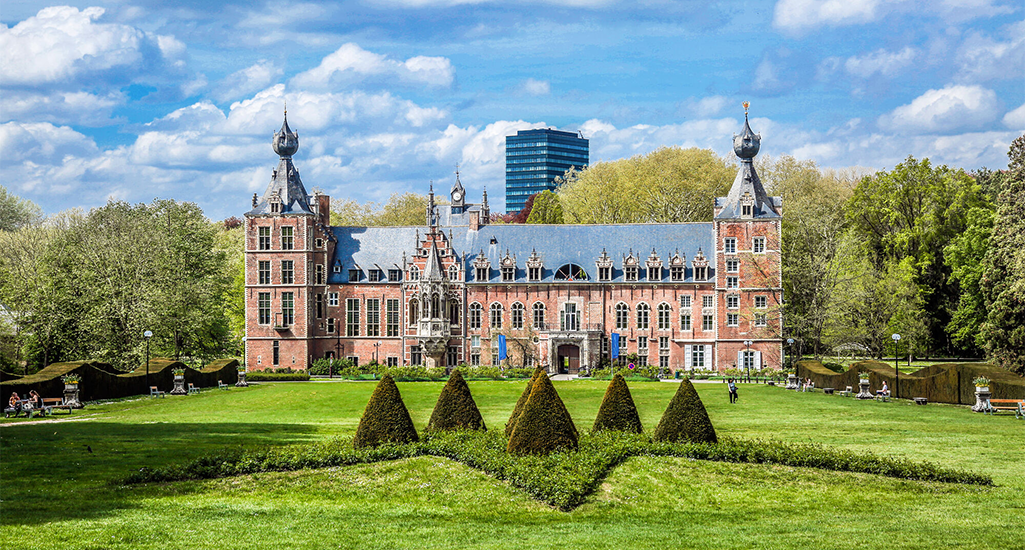
European universities consistently rank among the world’s best. Schools like:
• ETH Zurich (Switzerland) – Ranked #7 globally
• Technical University of Munich (Germany) – Top engineering programs
• University of Amsterdam (Netherlands) – Leading research institution
• KU Leuven (Belgium) – One of Europe’s oldest and most prestigious universities
These aren’t “backup” schools. They’re world-class institutions where you’ll receive an education that’s recognized and respected globally.
English-Taught Programs in Every Field
Worried about the language barrier?
Don’t be.
At Beyond The States, we’ve cataloged over 12,600 fully English-taught master’s programs across Europe. Whether you want to study:
• Business Administration (MBA, MSc in Management, Finance)
• Engineering (Mechanical, Electrical, Software, Civil)
• Computer Science and Data Analytics
• Public Health and Medicine
• Environmental Science and Sustainability
• International Relations and Political Science • Design, Architecture, and Creative Arts
…there are hundreds of programs taught entirely in English, designed for international students just like you.



How to Start Your Master’s Degree Search: A Step-by-Step Guide
Step 1: Define Your Academic and Career Goals
Before you start browsing programs, get clear on what you want.
Ask yourself:
- What field do I want to specialize in?
- What career path am I targeting after graduation?
- Do I want a research-focused or professionally-oriented program?
- Am I interested in a specific geographic region or industry?
Your answers will help you narrow down thousands of programs to a focused list that actually matches your goals.
Pro tip: Don’t just think about the degree—think about the career outcomes. What do graduates from this program go on to do? Where do they work? What skills will you gain that are in demand?
Step 2: Research Program Types and Specializations
Not all master’s degrees are created equal. Understanding the different types will help you search more effectively.
Common Master’s Degree Types:
• MSc (Master of Science): Research and theory-focused, often in STEM fields
• MA (Master of Arts): Humanities, social sciences, and liberal arts
• MBA (Master of Business Administration): General business management
• MEng (Master of Engineering): Advanced engineering with practical application
• MFA (Master of Fine Arts): Creative and performing arts
• MPH (Master of Public Health): Public health and healthcare management • LLM (Master of Laws): Advanced legal studies
Each has different admission requirements, curriculum structures, and career trajectories.
Step 3: Consider Location and Lifestyle
Where you study matters—not just for academics, but for your entire graduate school experience.
Questions to consider:
- Do you prefer a major city or smaller university town?
- What’s the cost of living in different countries?
- What’s the climate like? (Winter in Scandinavia is very different from Spain!)
- Are there internship and job opportunities in your field?
- What’s the visa situation for international students?
Popular European study destinations:
- Germany: Excellent engineering, business, and STEM programs; low/no tuition
- Netherlands: International atmosphere; strong business and social sciences
- Sweden/Norway/Finland: High quality of life; many tuition-free programs
- France: Arts, fashion, international relations; affordable tuition
- Spain/Portugal: Mediterranean lifestyle; growing tech scenes
- United Kingdom: Top-tier universities; one-year master’s programs
Step 4: Use Beyond The States’ Database
Here’s where things get easy.
Instead of spending weeks Googling individual universities and programs, Beyond The States has done the heavy lifting for you. Our database includes:
✓ 12,600+ English-taught master’s programs across Europe ✓ Detailed program information (curriculum, duration, requirements) ✓ Tuition costs and scholarship opportunities ✓ Application deadlines and admission criteria ✓ Graduate outcomes and career statistics
You can filter by:
- Field of study
- Country
- Tuition cost
- Program duration
- Language requirements
This means you can find programs that match your specific criteria in minutes, not months.











Step 5: Compare Costs and Financial Aid
One of the biggest advantages of studying abroad? Transparency in pricing.
What to look for:
- Tuition fees: Many European programs are €0-€5,000/year
- Living costs: Calculate rent, food, transportation, health insurance
- Scholarships: Many universities offer merit-based scholarships for international students
- Part-time work opportunities: EU student visas typically allow 20 hours/week of work
Cost comparison example:
A two-year MSc in Computer Science:
- U.S. university: $80,000 tuition + $50,000 living = $130,000
- German university: €0 tuition + €20,000 living = €20,000 ($21,500)
Savings: Over $108,000
Step 6: Review Admission Requirements
Different programs have different requirements. Common criteria include:
- Bachelor’s degree: Usually in a related field (though not always required)
- GPA: Typically 3.0+ equivalent
- English proficiency: TOEFL or IELTS scores (if you didn’t study in English)
- GRE/GMAT: Required for some business and graduate programs
- Letters of recommendation: Usually 2-3
- Statement of purpose: Your motivation and goals
- CV/Resume: Academic and professional experience
- Portfolios: For creative programs
Important note: European admissions are often more straightforward than U.S. programs. Many don’t require GRE scores, and the application process is typically faster and less expensive.
Step 7: Check Accreditation and Recognition
Make sure your degree will be recognized when you return home (or wherever you plan to work).
Look for:
- National accreditations: Programs should be accredited by the country’s education authority
- International recognitions: Bologna Process alignment for European programs
- Professional accreditation: AACSB for business, ABET for engineering, etc.
- Alumni outcomes: Where do graduates work? Are employers familiar with the program?
All programs in the Beyond The States database are fully accredited and internationally recognized.
Step 8: Explore Career Services and Outcomes
A master’s degree is an investment in your career. Make sure the program supports your professional goals.
Questions to ask:
- What percentage of graduates find employment within 6 months?
- What’s the average starting salary?
- Does the program offer internships or industry connections?
- Is there a career services office for international students?
- Can you stay in the country after graduation to work?
Many European countries offer post-study work visas (typically 1-2 years), allowing you to gain international work experience before deciding where to settle long-term.
Discover all the English-taught European college programs in one place.
Beyond the States provides easy access to 12,600+ European bachelor’s and master’s programs across 870 universities, 550 cities, and 212 areas of study, plus all the resources you need to get there.
3400+
English-taught bachelor’s programs in our database.
550
Beautiful European cities to choose from.
$360,170
Typical savings against a private university in the US.
8200+
English-taught master’s programs in our database.
870
Top-tier universities accepting international students.
$65,038
Typical savings against in-state tuition in the US.
The Beyond The States Advantage: Why We Make Your Search Easier
Searching for master’s programs abroad can feel overwhelming. That’s where we come in.
12,600+ Programs in One Place
Instead of visiting hundreds of university websites, you can search our comprehensive database filtered by your specific needs. Every program is:
• Fully English-taught • Internationally accredited • Verified for quality
Focus on Affordability
Our mission is simple: help American students access world-class education without crushing debt.
We specialize in finding programs that offer:
- Low or no tuition
- Reasonable living costs
- Scholarship opportunities
- Strong career outcomes
Because we believe you shouldn’t have to choose between quality education and financial security.
Common Mistakes to Avoid in Your Master’s Degree Search
Mistake #1: Only Searching “Brand Name” Schools
Yes, Harvard and Stanford are great. But there are hundreds of excellent universities you’ve never heard of that offer equally rigorous programs at a fraction of the cost.
Don’t let brand recognition blind you to better opportunities.
Mistake #2: Ignoring the Total Cost
Tuition is just one piece. Factor in:
- Housing and living expenses
- Travel costs
- Health insurance
- Visa fees
- Books and supplies
A “cheap” program in an expensive city might cost more than a pricier program in an affordable location.
Mistake #3: Applying Too Late
European programs often have earlier deadlines than U.S. schools. Some close applications 6-8 months before the start date.
Start your search at least one year before you want to begin your master’s.
Mistake #4: Overlooking Language Requirements
Even for English-taught programs, some countries require basic language skills for daily life. Consider whether you’re willing to learn some German, Dutch, Swedish, etc., or if you’d prefer a country where English is more widely spoken.
Mistake #5: Not Considering Post-Graduation Plans
Where do you want to work after graduation? If you plan to return to the U.S., make sure:
- The degree is recognized by American employers
- You’re building relevant skills and networks
- You can articulate the value of international education
If you’re open to working abroad, research:
- Post-study work visa options
- Job markets in your field
- Language requirements for employment
Real Student Success Stories
Sarah, MSc in Data Science (Netherlands): “I was looking at $90,000+ programs in the U.S. I found a top-ranked program in Amsterdam for €2,000/year. After two years and €25,000 total investment, I landed a job at a major tech company in Berlin. Best decision I ever made.”
Marcus, MBA (Germany): “Free tuition at a German university, plus the chance to learn German and build a network in Europe’s largest economy? It was a no-brainer. I saved over $100,000 compared to U.S. programs and now work for an international consulting firm.”
Priya, MSc in Environmental Science (Sweden): “Studying in Sweden gave me access to cutting-edge sustainability research and a lifestyle that values work-life balance. The tuition was low, the quality was exceptional, and I graduated debt-free.”
Start Your Master’s Degree Search with Beyond The States Today
Your master’s degree doesn’t have to mean six-figure debt.
With over 12,600 English-taught programs across Europe, there’s a perfect program waiting for you—one that offers world-class education, international experience, and financial freedom.
Ready to start your search?
Here’s what to do next:
- Explore our database of European master’s programs
- Schedule a free consultation to discuss your goals
- Get personalized recommendations based on your field and budget
- Start your application with expert guidance every step of the way
The path to an affordable, high-quality master’s degree is clearer than you think.
Let Beyond The States show you how.
Frequently Asked Questions
We’re here to help answer your questions about master’s programs across Europe!
How does Beyond The States help with my master’s degree search?
We provide:
- Access to 12,600+ verified English-taught programs
- Personalized program recommendations
- Application strategy and essay review
- Visa and logistics guidance
- Pre-departure preparation
- Ongoing support throughout your journey
Our goal is to make studying abroad accessible, affordable, and stress-free.
Ready to find your perfect master’s program? Explore Beyond The States today and discover how you can earn a world-class degree without the debt.