Masters in Ireland
Many U.S. students assume getting a master’s degree abroad is complicated, too expensive, or only realistic for a small group of people. But Ireland tells a different story.
It offers high-quality, fully accredited master’s programs taught entirely in English, often at a much lower cost than U.S. universities. And these aren’t short-term study abroad experiences, they’re full postgraduate degrees that carry real international value.
What surprises a lot of families is how straightforward the Irish system is. Admissions are clear, merit-based, and far less confusing than many U.S. graduate programs. Add in scholarships and strong post-graduation work options, and Ireland quickly becomes one of the smartest choices for students considering graduate school abroad.
If you’re thinking about doing a master’s in Ireland, this guide covers the essentials from top universities and tuition costs to admissions, living expenses, and career opportunities after graduation.
Summary
Why Pursue a Masters in Ireland?
Ireland has a strong international student community, a growing tech and business scene, and universities with long academic traditions.
Here are some of the biggest reasons students choose Ireland:
English-taught programs in nearly every field
Affordable tuition compared to many U.S. private universities
Post-study work rights for up to 2 years after graduation
Irish degrees are well respected internationally
Admissions are streamlined, with clear deadlines and requirements
Unlike a semester abroad, these programs lead to a full accredited degree, which gives you much more flexibility for your career or future academic plans.
Best Universities in Ireland for Masters
Ireland has several internationally recognized universities offering strong postgraduate programs across many disciplines.
| University | Location | Tuition (EUR) | Key Strengths |
| Trinity College Dublin | Dublin | 18,000–30,000 | Business, Law, Engineering |
| University College Dublin (UCD) | Dublin | 15,000–25,000 | STEM, Business, Arts & Humanities |
| National University of Ireland Galway (NUIG) | Galway | 12,000–22,000 | Science, Medicine, Social Sciences |
| University College Cork (UCC) | Cork | 12,000–22,000 | BioSciences, Business, Law |
| Dublin City University (DCU) | Dublin | 13,000–22,000 | Technology, Business, Media Studies |
Each university has its own advantages. Dublin schools offer easier access to major multinational companies, while Galway and Cork usually come with a lower cost of living and a great student environment.
Scholarships for Masters in Ireland

Scholarships can make a big difference, sometimes covering anywhere from 25% to 100% of tuition.
Common options include:
Government of Ireland International Education Scholarships
University-specific merit scholarships (like Trinity and UCD)
Program-specific awards for STEM and business students
Most scholarships look at academic performance, leadership, and your field of study. Some are automatic when you apply, while others require a separate application.
English-Taught Masters Programs in Ireland
Higher education in Ireland is almost entirely in English, which makes the transition much easier for international students.
Popular master’s programs include:
Business & Management
Data Science & Analytics
Engineering & Technology
Law & International Relations
Arts & Humanities
Most programs last between 12 and 24 months, depending on the subject and university.
Discover all the English-taught European college programs in one place.
Beyond the States provides easy access to 12,600+ European bachelor’s and master’s programs across 870 universities, 550 cities, and 212 areas of study, plus all the resources you need to get there.
3400+
English-taught bachelor’s programs in our database.
550
Beautiful European cities to choose from.
$360,170
Typical savings against a private university in the US.
8200+
English-taught master’s programs in our database.
870
Top-tier universities accepting international students.
$65,038
Typical savings against in-state tuition in the US.
Masters in Ireland Tuition Fees
Tuition depends on the university and the type of program.
Typical costs look like this:
Public universities: €12,000–€22,000 per year
Prestigious institutions (Trinity College Dublin): €18,000–€30,000 per year
Private colleges: sometimes over €30,000 per year
For comparison, many U.S. private master’s programs cost $40,000–$70,000 per year. Ireland can be a much more affordable option without sacrificing quality.
Masters in Ireland Admission Requirements
Irish dmissions tend to be more transparent and less stressful than what many students expect.
Most programs ask for:
A bachelor’s degree (usually a 2:1 or equivalent)
Official transcripts and degree certificates
English proficiency scores (IELTS 6.5–7.0 or TOEFL 90–100)
1–3 letters of recommendation
A statement of purpose or personal statement
CV or resume showing academic and professional experience
Some competitive programs may also ask for an interview or portfolio.
Masters in Ireland Application Process
The process is usually pretty straightforward:
Research programs that match your academic and career goals
Prepare documents: transcripts, test scores, recommendations, CV, and statement of purpose
Apply directly to universities (or through a centralized system where required)
Wait for offer letters, usually within 4–8 weeks
Accept your offer andapply for a student visa.
One practical tip: applying early improves your chances for scholarships, especially for competitive programs in Dublin.
Cost of Living in Ireland
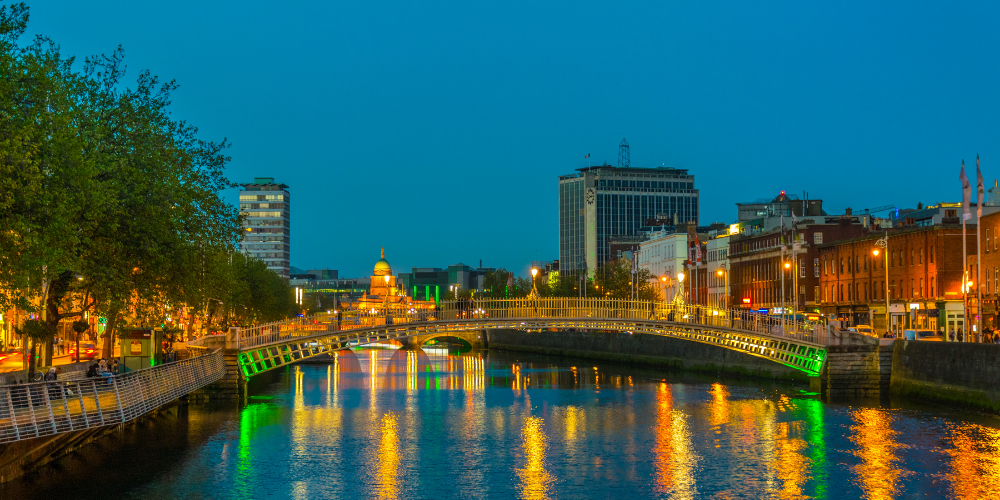
Living costs depend on the city and your lifestyle.
Approximate yearly expenses:
Accommodation: €6,000–€12,000
Food & groceries: €3,000–€4,000
Transport: €600–€1,200
Miscellaneous (entertainment, books, insurance): €2,000–€3,000
Dublin is the most expensive city. Galway and Cork are often more affordable while still offering a strong student experience.
Work Opportunities After Masters in Ireland
This is one of Ireland’s biggest advantages.
After completing your master’s, international students can:
- Stay and work for up to 24 months (for non-EU graduates)
Access strong job markets in tech, finance, pharmaceuticals, and research
Use university career services and local industry connections for networking
For many students, this is the bridge between studying abroad and building an international career.
Who is This a Good Fit For?
This path works especially well for:
U.S. students who want a full accredited master’s degree abroad
Students looking for English-taught programs with reasonable tuition
People who prefer transparent admissions and scholarship opportunities
Professionals interested in gaining postgraduate work experience in Europe
Get an English-taught Master’s in Europe
Kick-start your education abroad with a powerful master’s degree taught entirely in English. Avoid taking on any student loans and take your 9 to 5 job… international!
Common Myths About Masters in Ireland
Myth: “It’s too expensive compared to the U.S.” → Tuition is often 40–60% lower.
Myth: “Degrees aren’t recognized internationally” → Irish master’s degrees are globally accredited and highly respected.
Myth: “You need perfect English to there” → Most universities accept IELTS scores between 6.5–7.0.
Myth: “Visa and work rules are too complicated” →
Ireland has clear student visa procedures and strong post-study work rights.
Frequently Asked Questions
We’re here to help answer your questions about studying masters in Ireland!
Usually 12–24 months, depending on the program.
Yes, many universities and the Irish government offer scholarships for international students, including merit-based awards and program-specific funding.
Yes. Students can usually work up to 20 hours per week during the semester and full-time during scheduled breaks.
Most do not. Some business or STEM programs may ask for them, but it’s far less common than in the U.S.
Tuition (€12,000–€25,000) + living costs (€12,000–€20,000), usually brings the total to around €24,000–€45,000 per year.
Final Thoughts
A master’s in Ireland offers something a lot of students are looking for: affordability, strong international recognition, and real career opportunities after graduation.
You can earn a fully accredited degree, apply through a clear admissions process, access scholarships, and stay to work after graduation, all without the rising tuition and unpredictability many students face in the U.S.
If Ireland is on your list, the next step is simple: start comparing programs, look at which cities fit your goals, and book a strategy session with Beyond The States.
And if you want more certainty in the admissions process, the Platinum Admissions package can help make the path to acceptance much smoother.