Is Europe Safer Than the US?
The United States has a homicide rate that’s about six to seven times higher than most Western European countries.
That surprises a lot of families.
What surprises them even more is that thousands of American students earn fully accredited bachelor’s degrees in Europe every year, often entirely in English and many say they actually feel safer there than they did back home.
Here’s what most families don’t realize.
Studying in Europe doesn’t have to mean just doing a semester abroad. More U.S. students are choosing to complete their full degree at European universities, earning internationally recognized credentials while paying much less in tuition. Safety often becomes a big part of that decision.
And when you start comparing crime data, everyday life, and what students actually experience, the difference between Europe and the U.S. becomes pretty clear.
Let’s look at it.
Summary
Is Europe Safer Than the US?
In general, yes! most European countries report significantly lower violent crime rates than the United States.
That doesn’t mean Europe is crime-free, nowhere is.
But when you compare homicide rates, gun violence, and overall violent crime, the difference shows up again and again across many countries.
America vs Europe Crime Comparison
| Country | Homicide Rate (per 100k) | Gun Deaths (per 100k) | Firearm Homicide Rate | Mass Shootings | Petty Theft Risk |
| United States | ~6.3 | ~4.0 | ~3.0 | Several annually | Moderate |
| France | ~1.4 | ~0.4 | ~0.1 | Extremely rare | Higher in tourist areas |
| Germany | ~0.9 | ~0.2 | ~0.1 | Extremely rare | Low–moderate |
| Ireland | ~1.4 | ~0.3 | ~0.1 | Extremely rare | Low |
| United Kingdom | ~1.2 | ~0.1 | ~0.05 | Extremely rare | Low–moderate |
| Netherlands | ~1.1 | ~0.2 | ~0.1 | Extremely rare | Moderate in cities |
| Italy | ~1.1 | ~0.3 | ~0.2 | Extremely rare | Moderate in tourist areas |
| Spain | ~1.1 | ~0.2 | ~0.1 | Extremely rare | Higher in tourist zones |
| Portugal | ~1.4 | ~0.3 | ~0.1 | Extremely rare | Moderate in tourist areas |
Sources: OECD Crime Statistics, United Nations Office on Drugs and Crime, Eurostat, Our World in Data , and Pew Research Center
Since 2000, Europe’s homicide rates have dropped from nearly 8 to just above 2 per 100,000, while U.S. rates have stayed around 5–6 per 100,000. Gun deaths in the U.S. also remain high, with 46,728 fatalities in 2023.
Even when you factor in petty theft, students in Europe face a much lower risk of gun violence or serious violent crime. The U.S. gun death rate is roughly 10–25 times higher than in most Western European countries.
That matters.
A student in Europe might need to watch out for pickpocketing in a crowded city, but they are statistically far less likely to encounter gun violence or serious violent crime than they would in the U.S.
For many families, that changes the conversation.
Why Europe Feels Safer Than the US
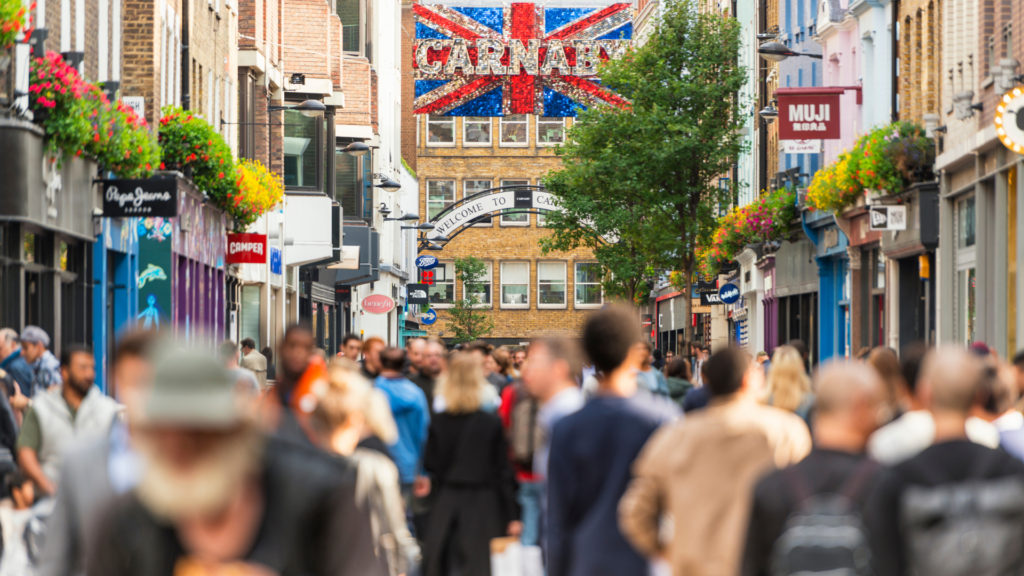
The numbers tell part of the story. Daily life tells the rest.
Many American students studying in Europe say they feel safer because of a few major structural differences.
1. Lower Gun Violence
One of the biggest reasons for the safety gap is simple: firearm access.
European countries generally have:
Much stricter gun laws
Lower gun ownership rates
Far fewer gun-related crimes
For students, that often means campuses, public transit, and nightlife areas feel calmer and less stressful.
2. Walkable Cities and Public Life
Many European cities are built around walking and public transportation.
That usually means:
More people out in public spaces
Well-used transit systems
Lively city centers late into the evening
When people are out and about, places tend to feel safer.
3. Strong Public Infrastructure
Student life in Europe often revolves around:
Public transit networks
Well-lit pedestrian zones
Centralized city squares
Dense neighborhoods
Students walk or take trains instead of driving everywhere.
That changes the rhythm of daily life in a big way.
4. Lower Overall Violent Crime Rates
Across most Western and Northern European countries, violent crime rates stay consistently lower than in the U.S.
That includes countries where many Americans choose to study:
That said, this part is important: safety is always local.
Crime patterns vary by city and neighborhood, both in Europe and in the U.S.
The Truth About Safety in Europe
Europe is not some perfect safety bubble.
Some crimes are actually more common, especially in tourist-heavy areas.
Petty Crime Exists
Students should expect things like:
Pickpocketing in major tourist cities
Phone theft in crowded areas
Bag snatching on public transit
Cities like Paris, Barcelona, and Rome are well known for this.
The good news is that these are usually non-violent crimes, and with basic awareness, they’re manageable.
Political Protests and Demonstrations
European cities also regularly have:
Public demonstrations
Labor protests
Large rallies
These are usually peaceful, but they can disrupt transportation or city centers.
Universities typically give students guidance on how to handle them.
Why Students Feel Safer Studying in Europe

Beyond crime statistics, the student experience itself often creates a stronger sense of security.
University Integration Into Cities
Many European universities are part of the city rather than isolated campuses.
That means:
Students live among residents
Neighborhoods remain active day and night
Campus areas aren’t deserted after dark
Reliable Public Transportation
Late-night transportation is normal in many major European cities.
Students often rely on:
Night buses
Metro systems
Regional trains
That means less dependence on driving and parking, both of which can be major concerns in U.S. college towns.
Strong Social Services
Many European countries also have:
Universal healthcare systems
Robust public safety networks
Highly regulated housing markets
These systems create a stronger safety net for both residents and international students.
LGBTQIA+ Safety in Europe vs the U.S.
Safety isn’t just about crime rates. Identity and inclusivity matter too.
Legal Protections Across Countries
Most Western and Northern European countries provide:
Anti-discrimination laws covering education, housing, and employment
Legal recognition of same-sex relationships
Protections against harassment based on gender identity or sexual orientation
That creates a more consistent baseline of safety for LGBTQIA+ students than what exists across different U.S. states.
University Support Networks
European universities often have:
Active LGBTQIA+ student groups
Safe spaces and counseling services
Mentorship and peer support programs
Visible support networks make a real difference in how accepted and secure students feel.
Inclusive Public Spaces
Many European cities also prioritize inclusive environments through:
LGBTQIA+ friendly neighborhoods and events
Anti-harassment public campaigns
Accessible health and community resources
For many students, that lowers the everyday risk of discrimination and harassment.
In practical terms, Europe often offers a mix of legal protection, social support, and cultural acceptance that many U.S. students can’t count on consistently across states
Crime Rates in Europe vs US for Students
Looking at daily life helps make the difference clearer.
| Situation | Typical US Context | Typical European Context |
| Walking home late | Often discouraged in many areas | Common in city centers |
| Gun violence risk | Higher overall | Extremely rare |
| Public transit | Limited in many cities | Widely used by students |
| Nightlife safety | Depends heavily on driving/ride shares | Dense pedestrian nightlife districts |
| Campus isolation | Many suburban campuses | Urban integration |
This doesn’t mean every European city feels safer than every U.S. city.
But on average, students often say they feel more comfortable navigating everyday life there.
Is Europe the Safer Choice for American Students?
Safety usually isn’t the only factor when choosing a university.
But for many families, it becomes a major one.
European universities can offer:
Lower violent crime environments
Walkable student cities
Strong public transportation
International communities
- Inclusive environments for LGBTQIA+ students
And here’s the part many families don’t expect:
A lot of these programs are also much more affordable than U.S. universities.
Cost Comparison: Studying in Europe vs the US

Safety matters, but cost often drives the final decision.
Here’s a simplified comparison.
| Expense | US Private University | European University (Typical Range) |
| Tuition | $30,000–$60,000 per year | $3,000–$15,000 per year |
| Degree length | 4 years | Often 3 years |
| Total tuition | $120,000–$240,000 | $9,000–$45,000 |
| Student debt risk | High | Often much lower |
Many programs in Europe are also direct-admission based, which means students apply straight into their chosen major.
That often makes admissions feel more transparent and more merit-based.

Common Misconceptions About Safety in Europe
Myth: Europe is completely crime free
Not true.
Every city has crime. The real difference is the type and severity.
Myth: Students are isolated abroad
Also not true.
European universities often have large international student communities, including many Americans.
Orientation programs, housing help, and support services are common.
Myth: Degrees from Europe aren’t recognized
This one comes up a lot.
Degrees from accredited European universities are widely recognized by U.S. employers and graduate schools.
Thousands of American students already take this path every year.
Who Is This a Good Fit For?
Studying in Europe can be a great option for students who:
Want a safer daily environment
Prefer walkable cities over suburban campuses
Are comfortable with international experiences
Are academically focused and ready to choose a major earlier
It’s also appealing to families looking for clear admissions criteria and predictable costs.
Frequently Asked Questions
When it comes to violent crime and gun violence, most European countries are significantly safer than the United States.
Petty crimes like pickpocketing may happen more often in tourist-heavy areas, but serious violent crime is generally much less common.
Students often cite:
• Lower violent crime rates
• Walkable cities
• Reliable public transportation
• Active public spaces
These factors create a stronger everyday sense of security.
Countries often ranked among the safest include:
• Denmark
• Austria
• Netherlands
• Switzerland
• Finland
• Ireland
All of these also offer universities with English-taught degree programs.
Yes. Most universities offer:
• Orientation programs
• Student housing assistance
• Visa guidance
• International student services
Absolutely.
European universities operate under the Bologna Process, which helps standardize degree recognition across Europe.
Degrees are internationally recognized and accepted by employers and graduate schools worldwide.
Final Thoughts: Safety Is Only Part of the Picture
So, is Europe safer than the US?
In many measurable ways, yes.
Lower violent crime rates, strong public infrastructure, and walkable cities often create environments where students feel more comfortable navigating daily life.
But safety is only part of the decision.
Students also choose Europe for:
Affordable tuition
English-taught degree programs
International career opportunities
Clear admissions pathways
At Beyond The States, we focus specifically on fully accredited bachelor’s programs taught in English across Europe. We research universities, verify degree recognition, and help families figure out which options make sense academically and financially.
If you’re curious about what studying in Europe could look like, start by exploring programs, comparing countries, or taking the Beyond The States quiz to see what might be the right fit.