Best Universities in Spain for International Students
Many American families assume that earning a bachelor’s degree abroad means giving up quality or recognition. In reality, it’s often the opposite. Students can earn an internationally recognized degree while paying far less than they would at many U.S. universities.
Here’s what really matters.
Spain isn’t just a great place to spend a semester abroad. It’s becoming one of Europe’s top destinations for students who want to complete an entire bachelor’s or master’s degree in English. With affordable tuition, well-respected universities, and an exciting student lifestyle, Spain gives families a practical alternative to the traditional U.S. college path.
Summary
What Are the Best Universities in Spain for International Students?
If you’re searching for the best universities in Spain for international students, you’ll find schools that consistently rank among Europe’s best while remaining surprisingly affordable.
Spain is home to more than 80 universities, including both public and private institutions. Many now offer fully accredited bachelor’s and master’s degrees taught entirely in English, making them an accessible option for students from the United States and around the world.
The right university depends on several factors, including:
- Your intended major
- Your budget
- Your preferred city
- The type of campus environment you want
- The availability of English-taught programs
- Your career goals after graduation
Let’s take a closer look.

Join the conversation.
Get real answers.
Beyond the States is a student community for those building their future in Europe.
Understanding the Spanish Higher Education System
Spain is part of the European Higher Education Area (EHEA), often referred to as the Bologna Process.
Because of this, degree structures are standardized across much of Europe.
| Degree | Typical Length |
|---|---|
| Bachelor’s | 3–4 years |
| Master’s | 1–2 years |
| Doctorate | 3+ years |
Degrees from accredited Spanish universities are recognized throughout Europe and are generally accepted by employers and graduate schools around the world, including in the United States.
That’s an important distinction.
When a student earns a bachelor’s degree in Spain, they’re earning a full university degree not a study abroad certificate or an exchange program credential.
Public vs. Private Universities
Spain has excellent universities in both the public and private sectors, and each offers different advantages.
| Public Universities | Private Universities |
|---|---|
| Lower tuition | Higher tuition |
| Larger student populations | Smaller class sizes |
| Strong research focus | Often more international |
| Fewer English-taught programs | More English-taught degrees |
| More competitive admissions | Admissions are often more flexible |
Public universities typically charge between $1,000 and $4,500 per year for many degree programs.
Private universities generally cost $8,000 to $22,000 per year. While that’s more expensive than public universities in Spain, it’s still often much less than many private colleges in the United States.
Global University Rankings
Several Spanish universities consistently appear in respected global rankings.
Some of the highest-ranked include:
- University of Barcelona
- Autonomous University of Barcelona
- Pompeu Fabra University
- Autonomous University of Madrid
- University of Navarra
- IE University
- Carlos III University of Madrid
Rankings can be helpful, but they shouldn’t be the only factor in your decision. The quality of your program, the language it’s taught in, affordability, and career opportunities after graduation are often far more important than small differences in ranking.
Support for International Students
Universities that offer English-taught programs typically provide a wide range of services to help international students settle in and succeed.
These often include:
- Visa guidance
- Orientation programs
- Housing assistance
- Language support
- Career services
- Student clubs
- Mental health resources
Spain has also become increasingly international. Many campuses welcome students from across Europe, North America, Latin America, and Asia, creating diverse and globally connected learning environments.
Why Study at Universities in Spain?
Spain is consistently ranked as one of the world’s most attractive destinations for international students, and it’s about much more than sunny weather.
Here’s why so many students choose to study there.
Affordable Tuition
For many families, cost is one of Spain’s biggest advantages.
Compared with many American universities, students can save tens of thousands of dollars over the course of a degree.
Here’s a general breakdown of annual costs:
| Expense | Estimated Cost |
|---|---|
| Public university tuition | $1,000–$4,500 |
| Private university tuition | $8,000–$22,000 |
| Housing | $6,000–$10,000 |
| Food | $2,500–$4,000 |
| Transportation | $400–$800 |
| Miscellaneous | $2,000–$3,000 |
Estimated annual total:
- Public university: $13,000–$22,000
- Private university: $20,000–$38,000
For many families, that’s still well below what they would pay for a four-year college in the United States.
English-Taught Degree Programs
A common misconception is that you need to speak fluent Spanish before studying in Spain.
That’s no longer the case.
Over the past decade, the number of English-taught degree programs has grown significantly.
Students can now earn degrees in fields such as:
- Business
- International Relations
- Computer Science
- Artificial Intelligence
- Economics
- Engineering
- Hospitality
- Psychology
- Marketing
- Data Science
Learning Spanish can absolutely make daily life easier and create more career opportunities later on. However, many degree programs don’t require students to be fluent before they begin.
Discover all the English-taught European college programs in one place.
Beyond the States provides easy access to 12,600+ European bachelor’s and master’s programs across 870 universities, 550 cities, and 212 areas of study, plus all the resources you need to get there.
3400+
English-taught bachelor’s programs in our database.
550
Beautiful European cities to choose from.
$360,170
Typical savings against a private university in the US.
8200+
English-taught master’s programs in our database.
870
Top-tier universities accepting international students.
$65,038
Typical savings against in-state tuition in the US.
Student Life and Culture
Spain consistently earns high marks for quality of life, and students benefit from that every day.
Many enjoy:
- Walkable cities
- Excellent public transportation
- A mild climate
- Rich cultural experiences
- Affordable dining
- Active student communities
- Easy travel throughout Europe
But there’s another benefit that’s easy to overlook.
Living abroad helps students build independence, strengthen cross-cultural communication skills, and become more adaptable. Those are qualities employers increasingly value, no matter where graduates choose to work.
Career Opportunities in Europe
Graduating from a Spanish university can open doors across Europe.
Many international graduates go on to:
- Graduate school
- Multinational companies
- International organizations
- Startups
- Research positions
Many degree programs also include internships, giving students valuable professional experience before they graduate.

Which Are the Top 10 English-Taught Universities in Spain for International Students?
Spain is home to dozens of universities that offer degree programs in English. Still, a handful consistently stand out for their academic reputation, support for international students, and wide selection of English-taught programs.
1. IE University

Location: Segovia & Madrid
Global Ranking: Top 500 globally (varies by subject; especially well known for business)
Type: Private
Annual Tuition: Approximately €25,000–€35,000
One of Europe’s most international universities, IE University welcomes students from more than 140 countries and offers nearly all of its degree programs in English.
Known for:
- Business and Entrepreneurship
- Computer Science and Artificial Intelligence
- International Relations
- Architecture and Design
Why students choose it:
- A wide range of English-taught degree programs
- A highly international student community
- Strong employer connections and internship opportunities
- A modern, project-based approach to learning
Best for: Students looking for an international education with strong career opportunities in business, technology, or entrepreneurship.
2. University of Navarra
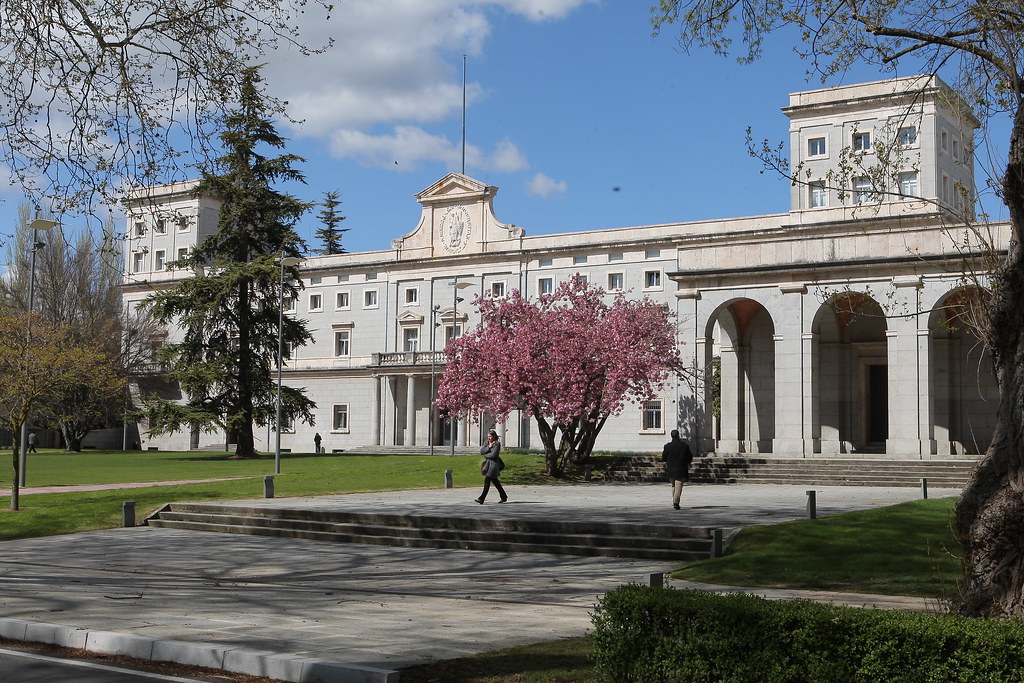
Location: Pamplona
Global Ranking: Top 300 globally
Type: Private
Annual Tuition: Approximately €10,000–€18,000
If you’re looking for a university with a strong academic reputation and growing international recognition, the University of Navarra is worth considering.
Known for:
- Business
- Economics
- Communication
- Engineering
Why students choose it:
- Excellent academic reputation
- Strong international exchange opportunities
- High graduate employability
- Modern campus facilities
Best for: Students who want a prestigious university with strong academics and a close-knit campus community.
3. Carlos III University of Madrid

Location: Madrid
Global Ranking: Top 350 globally
Type: Public
Annual Tuition: Approximately €1,500–€6,000
Students who want the value of a public university without sacrificing academic quality often put Carlos III University of Madrid at the top of their list.
Known for:
- Economics
- Business
- Engineering
- Political Science
Why students choose it:
- Affordable tuition
- Strong international rankings
- Excellent employer reputation
- A location in Spain’s capital city
Best for: Students who want a high-quality public university that combines affordable tuition with strong career outcomes.
4. Pompeu Fabra University

Location: Barcelona
Global Ranking: Top 300 globally
Type: Public
Annual Tuition: Approximately €2,000–€6,000
Located in the heart of Barcelona, Pompeu Fabra University has built an impressive reputation for research and innovation.
Known for:
- Economics
- Health Sciences
- Communication
- Social Sciences
Why students choose it:
- Excellent international reputation
- Research-focused education
- A central location in Barcelona
- Strong exchange opportunities
Best for: Students interested in research, economics, or communication studies.
5. Autonomous University of Barcelona
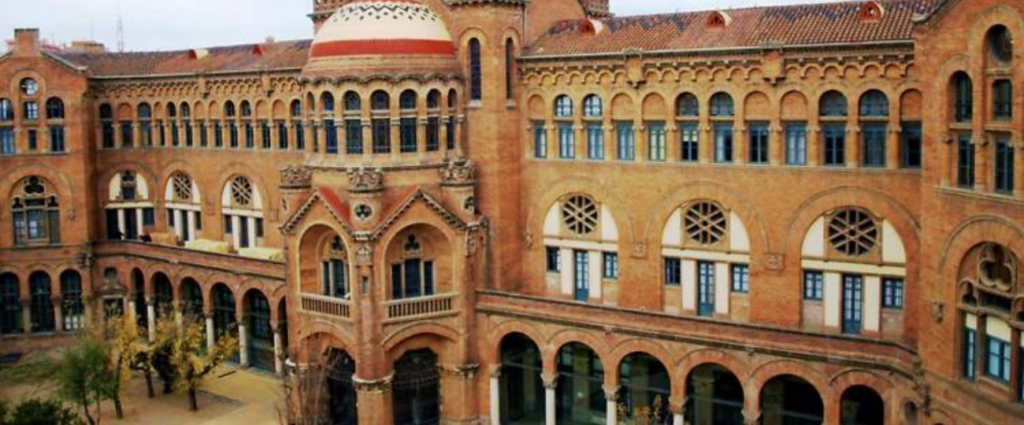
Location: Barcelona
Global Ranking: Top 175 globally
Type: Public
Annual Tuition: Approximately €2,000–€6,000
Known for its spacious suburban campus and research excellence, the Autonomous University of Barcelona consistently ranks among Spain’s top universities.
Known for:
- Business
- Environmental Sciences
- Biotechnology
- International Studies
Why students choose it:
- Strong research reputation
- Beautiful suburban campus
- Affordable tuition
- A diverse international community
Best for: Students looking for a research-intensive university with affordable tuition.
6. University of Barcelona

Location: Barcelona
Global Ranking: Top 170 globally
Type: Public
Annual Tuition: Approximately €2,000–€5,500
With centuries of history behind it, the University of Barcelona combines academic tradition with modern research opportunities.
Known for:
- Medicine
- Life Sciences
- Humanities
- Business
Why students choose it:
- Strong international reputation
- Affordable tuition
- Excellent research opportunities
- A prime location in Barcelona
Best for: Students interested in research or graduate study at one of Spain’s flagship universities.
7. ESADE Business School
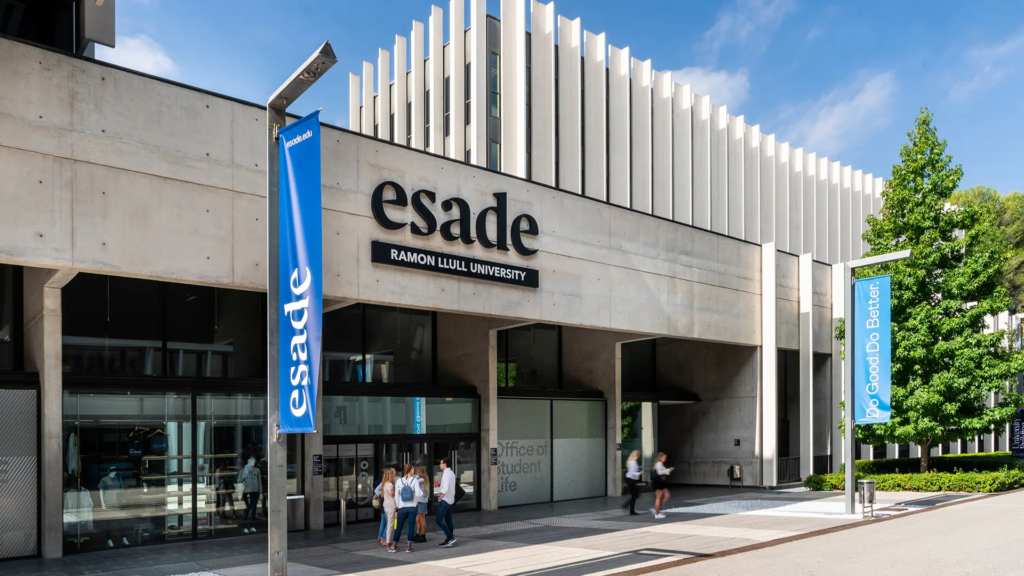
Location: Barcelona
Global Ranking: Among Europe’s top business schools
Type: Private
Annual Tuition: Approximately €20,000–€25,000
For students focused on business and management, ESADE is one of Europe’s most respected names.
Known for:
- Business Administration
- Law
- International Management
Why students choose it:
- Outstanding employer reputation
- An international student body
- Extensive corporate partnerships
Best for: Students planning careers in international business or consulting.
8. Comillas Pontifical University (Universidad Pontificia Comillas)

Location: Madrid
Global Ranking: Top 600 globally
Type: Private
Annual Tuition: Approximately €10,000–€18,000
Comillas Pontifical University is one of Spain’s most respected private universities and is particularly well known for its business and engineering schools, ICADE and ICAI. It offers several English-taught bachelor’s and master’s programs, making it an excellent choice for international students seeking a career-focused education in Spain.
Known for:
- Business Administration
- Engineering
- International Relations
- Law
Why students choose it:
- Strong selection of English-taught degree programs
- Excellent reputation among employers in Spain and Europe
- Prime location in Madrid with access to internships and multinational companies
- Strong international partnerships and exchange opportunities
What to consider:
- Higher tuition than Spain’s public universities
- English-taught bachelor’s options are concentrated in specific academic areas
Best for: Students looking for a prestigious private university with strong industry connections and English-taught programs in business, engineering, or international affairs.
9. Universitat Internacional de Catalunya (UIC Barcelona)
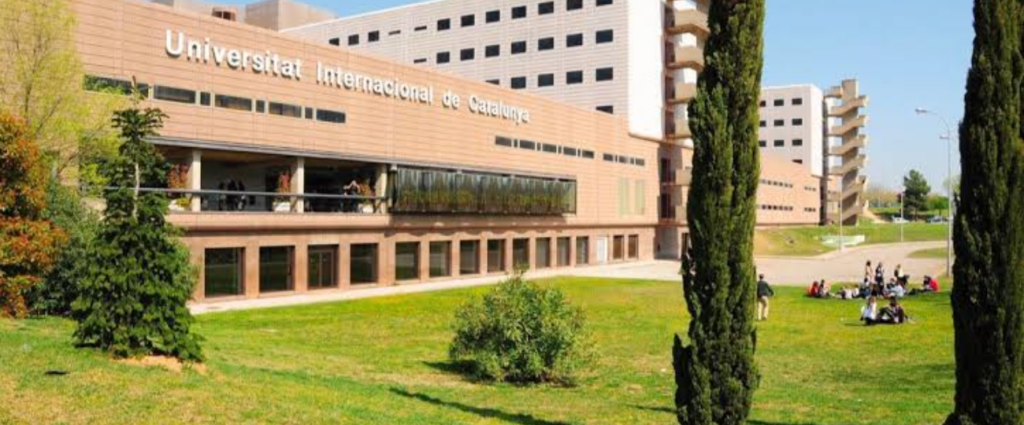
Location: Barcelona
Type: Private
Annual Tuition: Approximately €9,000–€16,000
Students who prefer smaller class sizes often find UIC Barcelona to be a great fit.
Known for:
- Architecture
- Business
- Dentistry
- Health Sciences
Why students choose it:
- Small class sizes
- Personalized student support
- Modern campus facilities
Best for: Students who prefer a smaller campus with individualized support.
10. European University of Madrid

Location: Madrid
Type: Private
Annual Tuition: Approximately €10,000–€18,000
Hands-on learning is at the heart of the European University of Madrid, where strong employer partnerships help connect classroom learning with real-world experience.
Known for:
- Business
- Sports Management
- Health Sciences
- Engineering
Why students choose it:
- A wide selection of English-taught degrees
- Practical, career-focused education
- Modern facilities
- An international student community
Best for: Students looking for a hands-on education with strong industry connections.
Recommended products
-
College Admissions Counseling – Gold
Original price was: $8,000.00.$5,687.00Current price is: $5,687.00. -
College Admissions Counseling – Silver
Original price was: $6,000.00.$3,697.00Current price is: $3,697.00. -
College Admissions Counseling – Platinum
Original price was: $12,000.00.$8,997.00Current price is: $8,997.00.



Cost Breakdown: What Should Students Budget?
Tuition is only one part of the equation. Before choosing a university, it’s also important to have a realistic idea of everyday living expenses.
Here’s a typical monthly budget for students in Spain:
| Expense | Estimated Monthly Cost |
|---|---|
| Rent | $500–900 |
| Utilities | $80–150 |
| Food | $250–400 |
| Transportation | $30–60 |
| Entertainment | $150–250 |
Many students live comfortably on $900–1,400 per month, although your actual costs will depend on both your city and your lifestyle.
Madrid and Barcelona are generally the most expensive places to live. If you’re looking to stretch your budget, cities like Valencia, Seville, Zaragoza, and Granada often offer a lower cost of living.
Admissions Are Often More Straightforward
One reason many American families look at universities in Spain is the admissions process.
Unlike many U.S. colleges, Spanish universities often place more weight on measurable academic qualifications than on long lists of extracurricular activities.
That usually means students can expect:
- Clearly published admission requirements
- Less emphasis on subjective evaluations
- Earlier admissions decisions
- More predictable application criteria
For many students, that added transparency makes the college application process feel far less uncertain.
Who Is Studying in Spain a Good Fit For?
Spain can be an excellent choice for students who:
- Want an affordable bachelor’s or master’s degree
- Hope to graduate with less student debt
- Enjoy being part of an international community
- Want opportunities to travel throughout Europe
- Are open to learning another language
- Value internationally recognized degrees
- Prefer a more transparent admissions process
On the other hand, it may not be the best fit for students who are looking for a traditional American college experience with large NCAA athletic programs or extensive Greek life.
Common Myths About Studying in Spain
Myth: Degrees from Spain aren’t recognized.
False.
Degrees from accredited Spanish universities are recognized throughout Europe and are generally accepted by employers and graduate schools around the world.
Myth: You need to speak Spanish before you can study there.
False.
Many universities now offer complete bachelor’s and master’s degree programs taught entirely in English.
Myth: Only wealthy students can afford to study abroad.
False.
In many cases, earning a full degree in Spain costs less than attending college in the United States.
Myth: Spain is only for semester-abroad students.
False.
More international students are choosing to complete their entire bachelor’s or master’s degree in Spain rather than studying there for just one semester.
Frequently Asked Questions
We’re here to help answer your questions about best universities in Spain for international students.
Yes. Many Spanish universities now offer complete bachelor’s programs taught entirely in English, especially in fields like business, engineering, economics, international relations, and technology.
Yes. U.S. students can enroll in fully accredited bachelor’s and master’s degree programs at Spanish universities. Once admitted, they can apply for a student visa to study in Spain.
Compared with many American universities, yes. Tuition and living expenses are often much lower, particularly at public universities.
Yes. Degrees from accredited Spanish universities are recognized throughout the European Higher Education Area and are generally accepted by employers and graduate schools worldwide.
Not necessarily. Many degree programs are taught entirely in English. That said, learning Spanish can make everyday life easier and may open up additional internship and career opportunities.
Final Thoughts
Spain offers a combination that’s hard to ignore: respected universities, affordable tuition, internationally recognized degrees, and an experience that goes well beyond the classroom. For many U.S. families, it’s a practical alternative to the traditional college route without sacrificing educational quality.
At Beyond The States, we help students earn fully accredited degrees abroad, not just spend a semester overseas. We research universities, evaluate English-taught programs, and focus on schools that offer strong academics, transparent admissions, and affordable tuition.
If you’re thinking about studying in Spain, or considering other destinations in Europe take the time to compare programs, understand the admissions process, and find the option that best fits your goals.
You can also explore our university database, take our college match quiz, or schedule our free strategy session to find out whether earning your degree in Europe is the right next step for you.