The Cheapest Countries to Study in Europe
Let’s be brutally honest…
American college tuition is out of control. With average costs exceeding $30,000 per year at public universities and climbing past $50,000 at private institutions, it’s no wonder students are looking beyond U.S. borders for affordable alternatives.
Here’s the good news:
Europe offers world-class education at a fraction of American prices. We’re talking tuition costs that range from completely free (yes FREE) to just a few thousand dollars per year.
If you’re an American student wondering where you can get an incredible education without drowning in debt, this guide breaks down the most affordable European countries for your bachelor’s or master’s degree in 2026.
Why European Universities Are So Much Cheaper
Before we dive into specific countries, let’s address the elephant in the room.
How can European universities offer such low tuition? How can they even offer free tuition!?
The answer is easy.
Most European countries view higher education as a public good that benefits society as a whole. Universities are heavily subsidized by government funding, which means students pay little to nothing in tuition fees. This isn’t a recent trend or some temporary scholarship program, it’s how the system is designed to work.
For American students, you might be shocked to know that this means you can earn a fully accredited bachelor’s or master’s degree recognized worldwide, study in English at hundreds of programs, and graduate with minimal or zero debt.
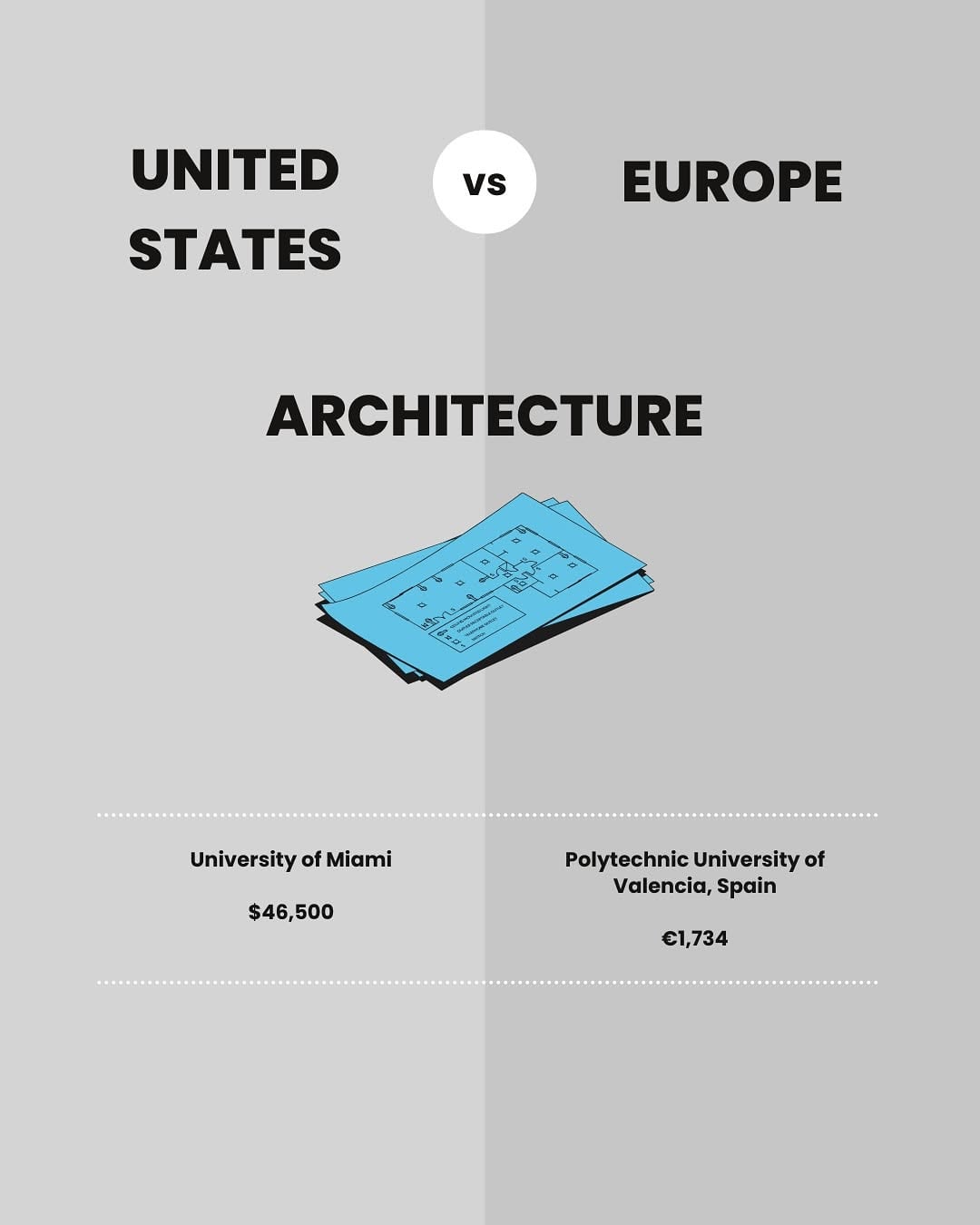
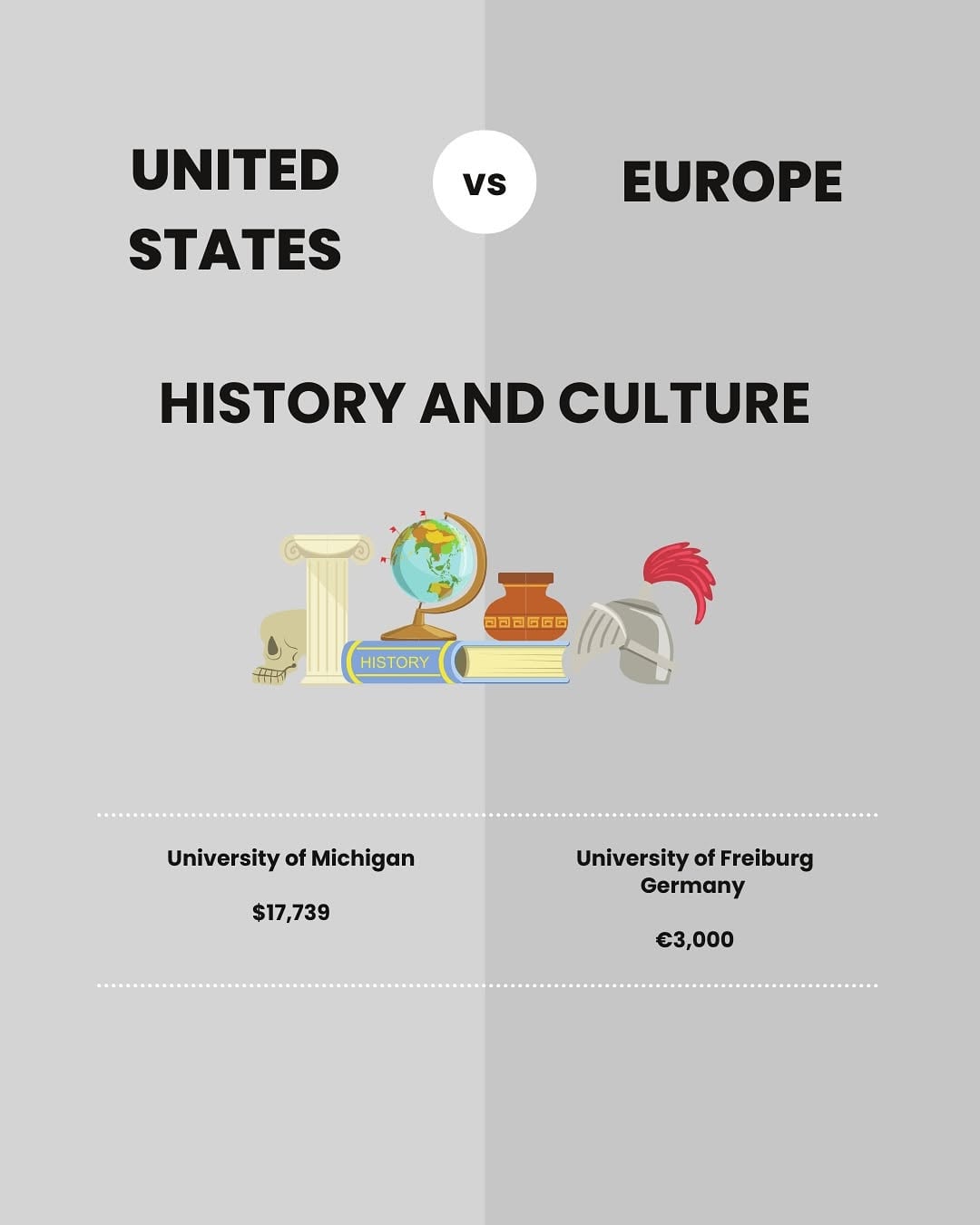
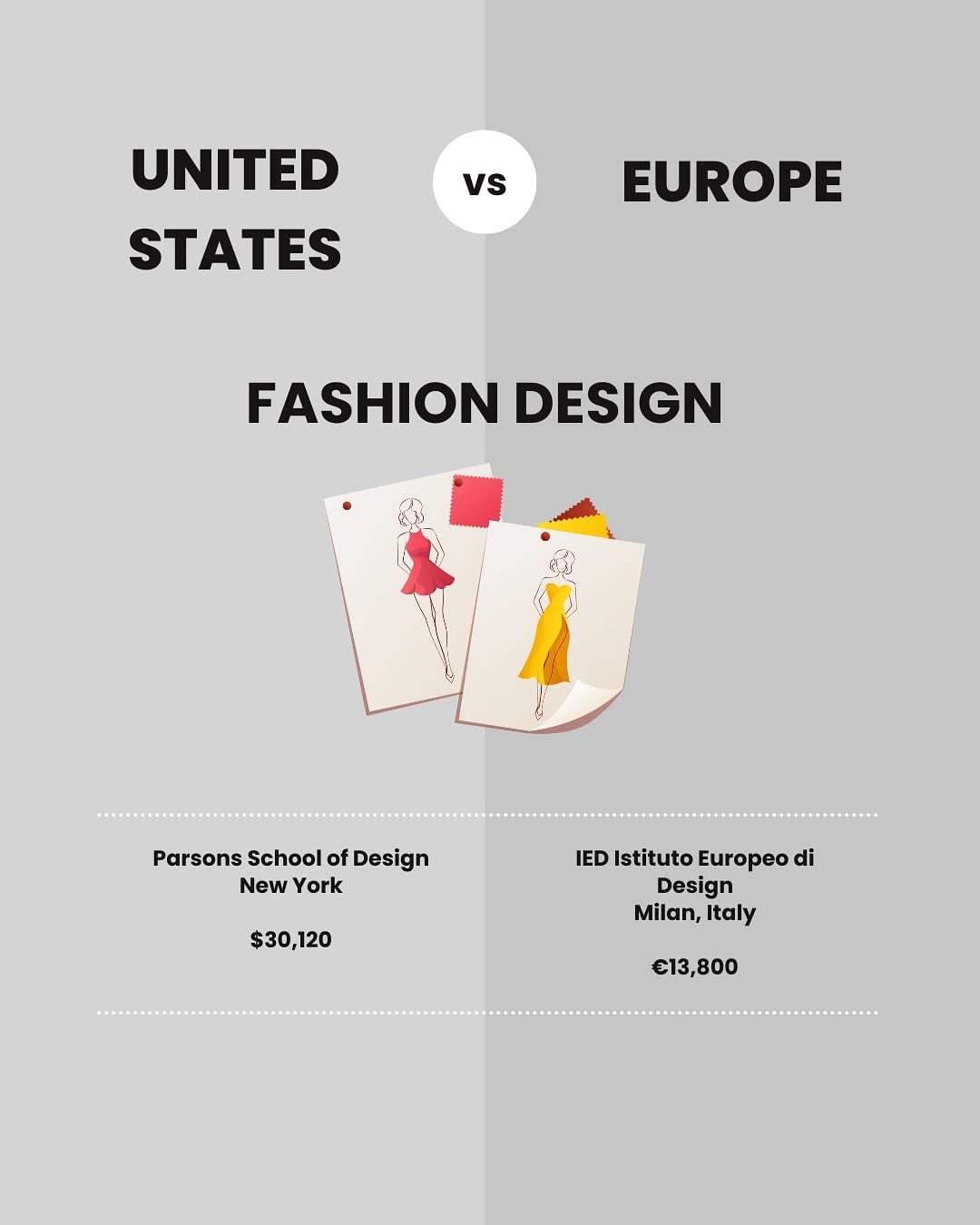
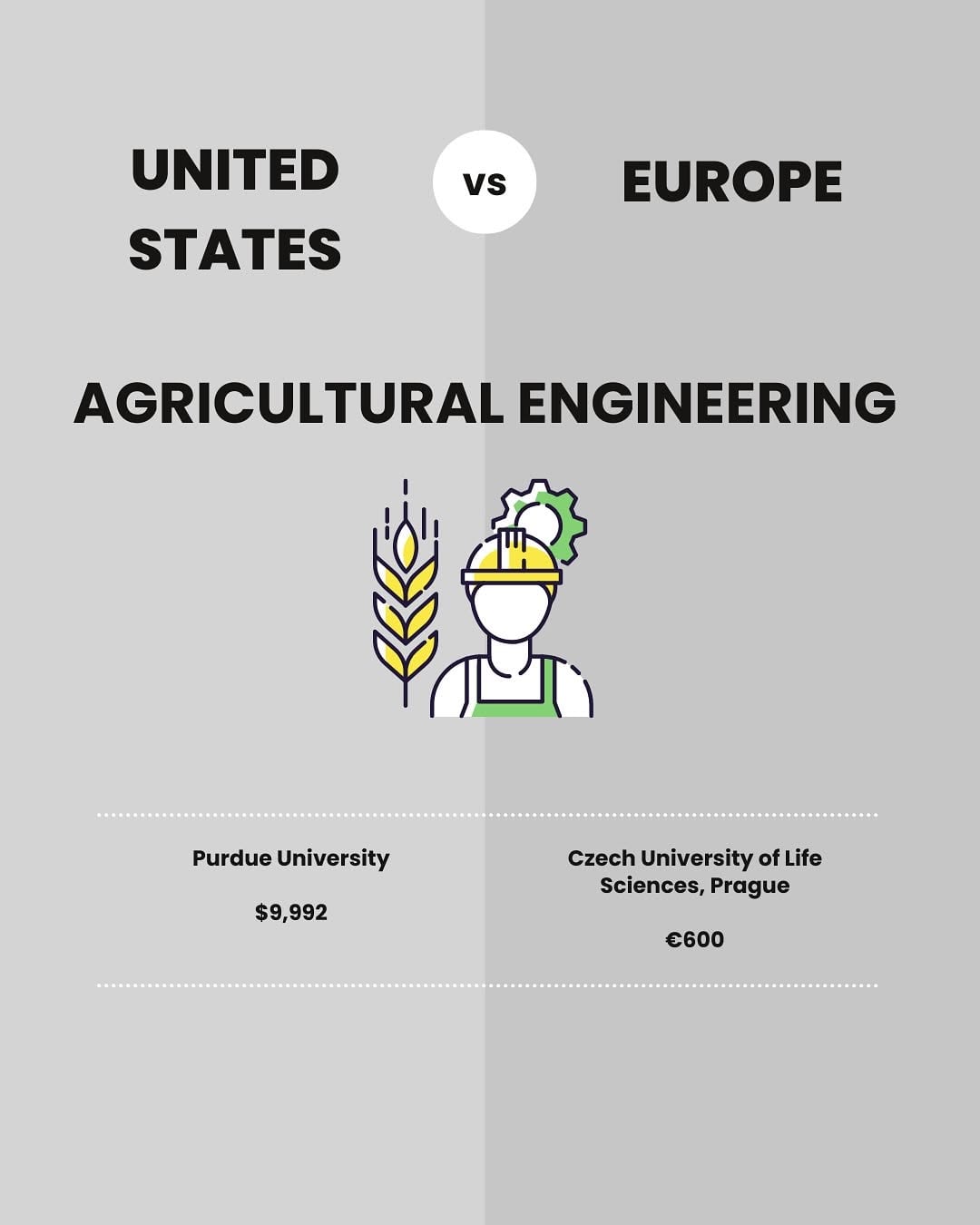
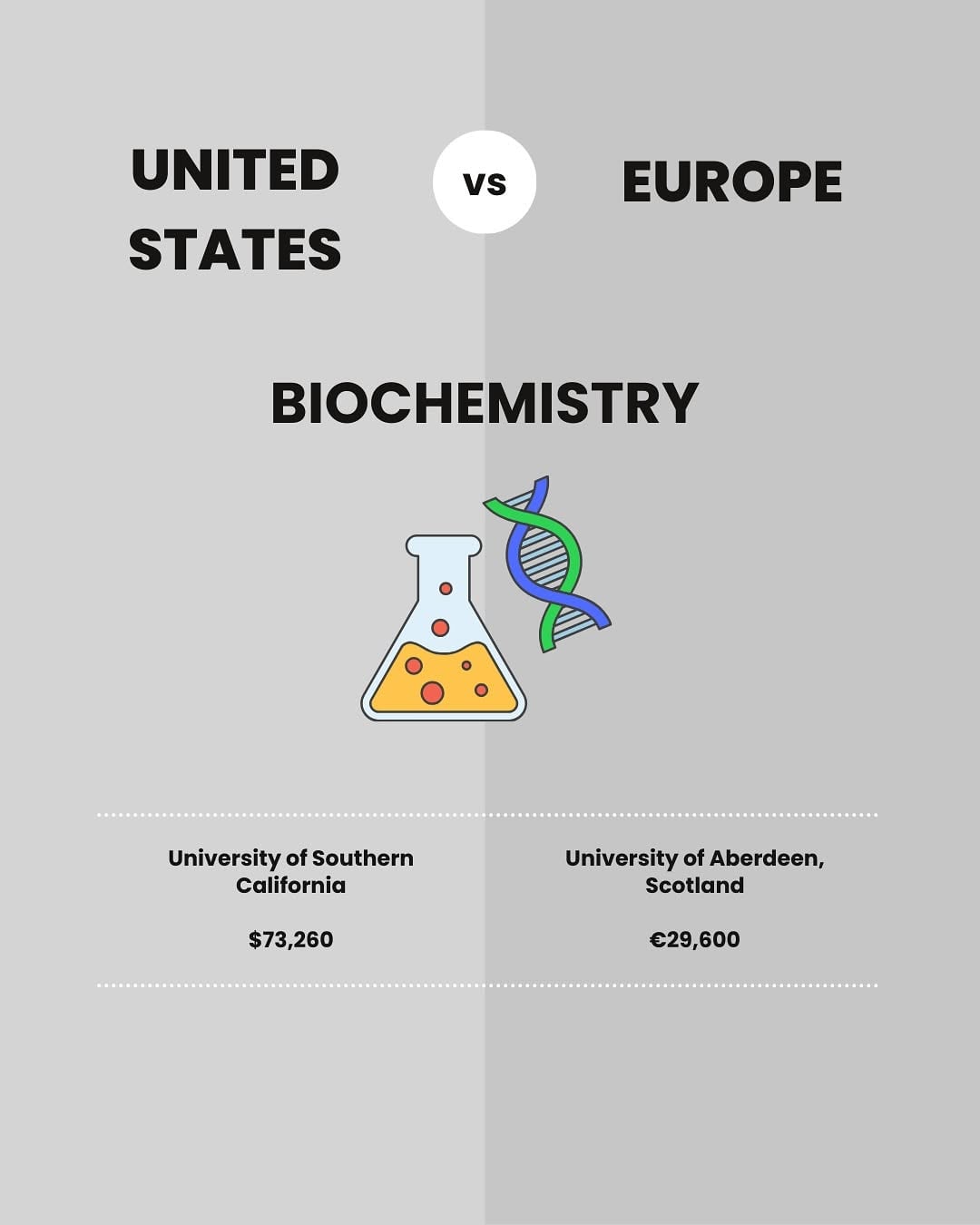
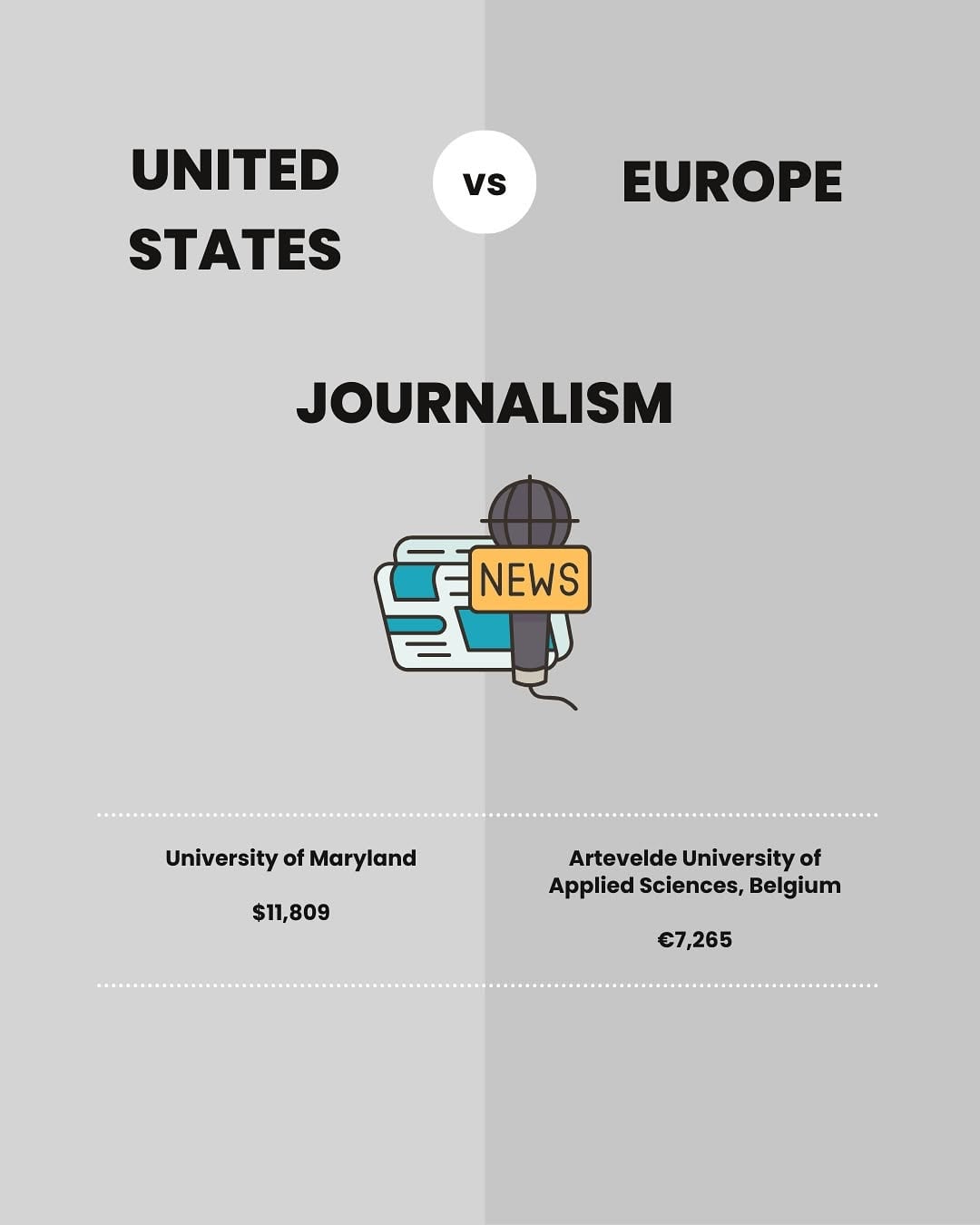

The Top 10 Cheapest Countries to Study in Europe

1. Germany: The Gold Standard for Free Education
- Average Annual Tuition: €0 (Free at public universities, with €150-300 semester fees)
- Average Monthly Living Costs: €850-1,100
- English-Taught Programs: 1,500+
Germany is the holy grail for budget-conscious students. Most public universities charge zero tuition for bachelor’s and master’s programs….yes, even for American students. You’ll only pay a small semester contribution (around €150-300) that typically includes public transportation. Mind blowing, right?
Important Update: As of 2024, two German states have introduced higher fees for non-EU students. Baden-Württemberg charges €1,500 per semester, and some Bavarian universities (notably Technical University of Munich) charge between €2,000-6,000 per semester. However, the vast majority of German universities remain tuition-free.
Best Cities for Students: Berlin (vibrant startup culture), Munich (tech hub, though pricier), Leipzig (artistic and affordable), Heidelberg (historic charm)
What You’ll Love: Germany offers over 1,500 English-taught programs, a thriving international student community, excellent post-graduation work opportunities, and a central location perfect for exploring Europe.
Real Talk: You’ll need to prove you have about €11,904 per year (€992/month) in a blocked account for your visa. This sounds like a lot, but remember—you’re not paying tuition. Many American students work part-time (you’re allowed 140 full days or 280 half days per year) to supplement their finances.

2. Norway: Free Tuition, But Watch the Living Costs
- Average Annual Tuition: €0 (Free at public universities for all students)
- Average Monthly Living Costs: €1,200-1,500
- English-Taught Programs: 250+
Important Update for 2025: Norway recently changed its policy. While EU/EEA students still study for free, students from other countries (including Americans) now face tuition fees ranging from €15,000-34,000 per year at most institutions. This makes Norway significantly less affordable for American students than it was previously.
If you’re specifically interested in Norway, research thoroughly to confirm current fees at your target universities, and factor in Norway’s high cost of living—one of the most expensive in Europe.

3. France: Culture, Quality, and Affordability Combined
- Average Annual Tuition: €2,770 for bachelor’s, €3,770 for master’s (public universities)
- Average Monthly Living Costs: €800-1,200 (higher in Paris)
- English-Taught Programs: 1,500+
France offers lots of value, charging American students the same low fees as French citizens at public universities. These aren’t hidden-cost programs—you’re getting world-renowned French education at universities like the Sorbonne for less than one month’s tuition at many U.S. colleges.
Best Cities for Students: Lyon (affordable, vibrant food scene), Toulouse (aerospace hub, warm climate), Montpellier (beach city, student-friendly), Lille (close to Belgium and UK)
What You’ll Love: Rich cultural experience, excellent food, strong humanities and arts programs, central European location, and relatively low tuition across the board.
Consider This: While thousands of programs are taught in English, learning some French will dramatically improve your experience and job prospects. Many universities offer free or affordable French language courses to international students.
4. Poland: Eastern Europe’s Academic Gem
- Average Annual Tuition: €0 for Polish-taught programs, €2,000-4,000 for English programs
- Average Monthly Living Costs: €400-700
- English-Taught Programs: 500+
Poland is one of Europe’s best-kept secrets for affordable education. If you’re willing to study in Polish, tuition is completely free regardless of nationality. Even English-taught programs remain very affordable compared to Western European countries—and Poland’s cost of living is among the lowest in Europe.
Best Cities for Students: Krakow (historic, beautiful, student city), Warsaw (modern capital, job opportunities), Gdansk (coastal charm), Wroclaw (young, dynamic)
What You’ll Love: Extremely low living costs, rich history and culture, growing tech industry, central European location for travel, welcoming international community.
Real Talk: Poland has produced 17 Nobel laureates and maintains high academic standards. Universities like Jagiellonian University (founded 1364) and the University of Warsaw are highly respected. You’re getting quality education at a bargain price.
5. Greece: Mediterranean Living at Budget Prices
- Average Annual Tuition: €0 for EU students, €1,500-3,000 for non-EU students
- Average Monthly Living Costs: €500-800
- English-Taught Programs: 150+
Greece offers affordable tuition, low living costs, incredible weather, and a relaxed Mediterranean lifestyle. While not completely free for Americans, the fees are minimal compared to U.S. standards.
Best Cities for Students: Athens (historical sites, nightlife), Thessaloniki (coastal, young vibe), Patras (beach city, festive)
What You’ll Love: Gorgeous islands and beaches, warm climate year-round, affordable Mediterranean lifestyle, rich historical and archaeological sites, friendly locals.
Bonus: International students can work up to 20 hours per week during semesters and full-time during holidays. The average pay is €500-700 per month, which goes far in Greece’s affordable economy.
6. Czech Republic: Central European Charm
- Average Annual Tuition: €0 for Czech-taught programs, €4,000-12,000 for English programs
- Average Monthly Living Costs: €600-900
- English-Taught Programs: 700+
The Czech Republic offers free education if you study in Czech, with affordable English programs available. Prague is one of Europe’s most beautiful cities, and the cost of living remains reasonable despite growing popularity.
Best Cities for Students: Prague (stunning architecture, vibrant nightlife), Brno (tech hub, student city), Olomouc (charming, very affordable)
What You’ll Love: Gorgeous historic cities, central European location, excellent beer culture, growing startup ecosystem, affordable lifestyle.
7. Italy: La Dolce Vita on a Budget
- Average Annual Tuition: €500-4,000 per year
- Average Monthly Living Costs: €700-1,200
- English-Taught Programs: 500+
Italy combines affordable tuition with an incredible cultural experience. Public universities charge modest fees based on family income, with most students paying €1,000-2,000 per year.
Best Cities for Students: Bologna (oldest university in Europe, student city), Milan (fashion and business, pricier), Florence (art and architecture), Turin (affordable, underrated), Rome (history, more expensive)
What You’ll Love: World-class art and architecture, incredible food culture, beautiful weather, rich history, excellent quality of life.
Smart Move: Learning Italian isn’t required for English programs, but even basic Italian dramatically improves your experience. Italy is also more affordable in smaller cities than major tourist destinations like Rome or Venice.
8. Spain: Sunshine and Affordability
- Average Annual Tuition: €750-2,500 per year
- Average Monthly Living Costs: €700-1,100
- English-Taught Programs: 400+
Spain offers low tuition, reasonable living costs, fantastic weather, and a vibrant student culture. Southern and eastern cities are particularly affordable.
Best Cities for Students: Valencia (beach city, affordable, great food), Seville (beautiful, warm, authentic), Salamanca (classic university town), Granada (affordable, stunning)
What You’ll Love: Beach lifestyle, warm climate, incredible food, lively social culture, excellent work-life balance, friendly locals.
Real Talk: While major cities like Madrid and Barcelona are more expensive, smaller Spanish cities offer incredible value with authentic Spanish culture and lower costs.
9. Austria: Alpine Beauty Meets Academic Excellence
- Average Annual Tuition: €0 for EU students, €750-1,500 per year for non-EU students
- Average Monthly Living Costs: €800-1,200
- English-Taught Programs: 300+
Austria charges very low tuition/fees for American students at public universities—far less than one month of U.S. tuition. You’ll get access to high-quality Central European education in a beautiful setting.
Best Cities for Students: Vienna (imperial capital, high quality of life), Graz (student-friendly, more affordable), Innsbruck (alpine location, outdoor lifestyle)
What You’ll Love: High quality of life, beautiful Alps, rich musical heritage, safe environment, central European location, excellent public transportation.
10. Hungary: Budget-Friendly and Growing
- Average Annual Tuition: €2,000-5,000 per year
- Average Monthly Living Costs: €500-800
- English-Taught Programs: 400+
Hungary, particularly Budapest, offers affordable tuition and very low living costs. The country has become increasingly popular for medical, engineering, and business programs taught in English.
Best Cities for Students: Budapest (stunning capital, affordable nightlife), Debrecen (university city, very cheap), Szeged (charming, low costs)
What You’ll Love: Very low cost of living, beautiful architecture, thermal baths, growing startup scene, central location for European travel.
Popular Programs: Hungary is particularly known for affordable medical and dental programs taught in English, attracting many international students to programs that would cost $50,000+ per year in the U.S.
Other Affordable European Options Worth Considering
Portugal: Tuition fees range from €1,500-3,000 per year with monthly living costs of €600-1,000. Offers excellent weather, beaches, and a growing tech scene in Lisbon and Porto.
Estonia: Programs in Estonian are free; English programs cost €1,600-7,500 per year. Low living costs (€500-800/month) and a strong tech ecosystem make it attractive for STEM students.
Slovenia: Free for many students, or around €5,000 per year for non-exempt international students. Very low cost of living (€600-900/month) and beautiful natural surroundings.
Belgium: Reasonable fees (€835-€906 per year in Flanders) for EU students, higher for non-EU. Offers excellent chocolate, beer, and central European location.
FREE INSIDER’S GUIDE

Top 5 English-Taught Colleges in Europe
Kickstart you education abroad with a powerful degree taught entirely in English, all without taking on any student loans!
The Real Cost Comparison: Europe vs. America
Let’s break down what you’d actually spend for a 3-year bachelor’s degree in different scenarios:
Public U.S. University (In-State):
Tuition: $30,000/year × 4 years = $120,000 Living costs: $15,000/year × 4 years = $60,000 Total: $180,000+ Private U.S. University:
Tuition: $55,000/year × 4 years = $220,000 Living costs: $15,000/year × 4 years = $60,000 Total: $280,000+ Germany (Free Tuition):
Tuition: €300 semester fee × 6 semesters = €1,800 Living costs: €1,000/month × 36 months = €36,000 Total: €38,000 ($42,000) Poland (English Program):
Tuition: €3,000/year × 3 years = €9,000 Living costs: €600/month × 36 months = €21,600 Total: €30,600 ($33,500) France:
Tuition: €2,800/year × 3 years = €8,400
Living costs: €900/month × 36 months = €32,400
Total: €40,800 ($44,500)
The savings are massive—we’re talking $100,000-250,000 over a bachelor’s degree. Even with international flights, travel, and the occasional splurge on European adventures, you’ll spend a fraction of what you’d pay in the U.S.



What About Master’s Degrees?
The savings continue at the graduate level:
Germany: Still free at public universities (1-2 years) France: €3,770 per year Poland: €5,000-10,000 per year Italy: €1,000-4,000 per year Spain: €1,500-3,500 per year
Compare this to U.S. master’s programs that cost $30,000-70,000+ per year, and the value proposition becomes even clearer.
Important Considerations Beyond Tuition
Visa Requirements and Financial Proof
Most European countries require proof you can support yourself before granting a student visa. Common amounts:
- Germany: €11,904 per year (€992/month)
- France: €7,380 per year
- Spain: €6,000-8,000 per year
- Poland: €3,000-5,000 per year
You’ll typically show this through a blocked bank account, scholarship documentation, or proof of parental support.
Working While Studying Most European countries allow international students to work:
- Germany: 140 full days or 280 half days per year
- France: 964 hours per year (about 20 hours/week)
- Poland: 20 hours per week during semester, full-time during breaks
- Spain: 20 hours per week with proper authorization
- Part-time work can significantly offset your living expenses and provide valuable European work experience.
Language Requirements
While thousands of programs are taught entirely in English, learning the local language:
- Opens more part-time job opportunities
- Helps with daily life and integration
- Improves post-graduation employment prospects
- Enriches your cultural experience
- Many universities offer free or low-cost language courses for international students.
Length of Programs
Most European bachelor’s degrees are 3 years (4 in Scotland and Ireland), compared to 4 years in the U.S. This saves you an entire year of tuition and living expenses—another $20,000-60,000 in savings.
Hidden Costs to Budget For
Don’t forget these expenses when planning your European education:
One-Time Costs:
- Visa application: €80-150
- Residence permit: €100-150
- International health insurance: €80-100/month
- Flights home: $600-1,200 per trip
- Initial setup (furniture, deposits): €500-1,000
Ongoing Costs:
- Cell phone: €15-30/month
- Health insurance: €80-110/month
- Transportation: €0-100/month (often included in semester fees)
- Books and materials: €200-500/semester
- Social activities and travel: €100-300/month
Scholarships and Financial Aid
While European education is already affordable, additional funding is available:
DAAD Scholarships (Germany): Various programs for international students Erasmus+ Programs: EU funding for study and exchange Fulbright Program: U.S. government scholarships for study abroad University-Specific Scholarships: Many European universities offer merit-based aid for international students Government Scholarships: Some European countries offer scholarships specifically for American students
Additionally, some U.S. federal financial aid can be used at approved European universities—check with your financial aid office.
How to Choose the Right Country for You
Beyond just costs, consider:
- Climate: Do you prefer Mediterranean warmth (Spain, Greece, Italy) or cooler temperatures (Germany, Poland, Scandinavia)?
- Career Goals: Some countries have stronger industries in certain fields (Germany for engineering, France for arts, Netherlands for business)
- Lifestyle: Do you want a laid-back Mediterranean vibe or a more structured Central European environment?
- Travel Priorities: Consider your location for weekend trips and exploring Europe
- Post-Graduation Plans: Some countries make it easier to stay and work after graduation

Post-Graduation Work Opportunities
Many European countries offer residence permits for job searching after graduation:
- Germany: 18 months to find a job in your field
- France: 12-24 months depending on degree level
- Netherlands: 12 months (1-year “orientation year”)
- Austria: 12-24 months for certain degrees
- Poland: Up to 9 months
This gives you time to launch your European career or gain international work experience before returning to the U.S.
Will Your European Degree Be Recognized in the U.S.?
Yes! European universities follow the Bologna Process, creating standardized degree structures recognized worldwide.
Your European bachelor’s or master’s will be accepted by:
- U.S. graduate schools
- American employers
- Professional licensing boards (with proper evaluation if needed)
Many Americans earn European degrees and successfully return to the U.S. for careers or further education. Your international experience and degree often stand out positively to employers.
Common Questions When Getting Your Degree Abroad
“Is the quality of education good?”
Absolutely. Many European universities rank among the world’s best. Germany, France, and the Netherlands regularly place institutions in global top-100 rankings. You’re getting world-class education at budget prices.
“Will I fit in as an American?”
European universities welcome thousands of international students. Major university cities have vibrant international communities, and you’ll find plenty of other Americans and English speakers.
“What about health insurance?”
European health insurance is significantly cheaper than U.S. insurance. Student plans typically cost €80-110/month and provide comprehensive coverage.
“Can I come home for holidays?”
Yes! With longer semester breaks and affordable European flights, many students visit home 2-3 times per year. Budget-friendly airlines like Norwegian, WOW Air, and various European carriers offer transatlantic flights for $300-600.
“What if I don’t speak the language?”
Thousands of programs are taught entirely in English. In countries like Germany, Netherlands, and Scandinavia, English proficiency is very high. You can function entirely in English while gradually learning the local language.
Making It Happen: Your Next Steps
Ready to pursue affordable European education? Here’s how to get started:
- Research programs: Use the Beyond The States database, and university websites to find English-taught programs in your field
- Check requirements: Most European universities require your high school diploma, transcripts, English proficiency test (TOEFL/IELTS), and sometimes SAT/ACT scores
- Understand timelines: European applications often have earlier deadlines (December-March for fall enrollment) and different processes than U.S. applications
- Prepare financially: Start saving for your blocked account, visa fees, and initial expenses
- Apply to multiple countries: Don’t put all your eggs in one basket—apply to 5-10 programs across different countries
- Connect with current students: Join Facebook groups, reach out to Americans studying in Europe, and ask questions
- Plan your visit: If possible, visit your top-choice universities before committing
The Bottom Line
Studying in Europe isn’t just about saving money—though saving $100,000+ in tuition is certainly compelling. It’s about:
- Gaining international experience in an increasingly global job market
- Learning new languages and cultures
- Building a worldwide network of friends and contacts
- Exploring 40+ countries with ease during your studies
- Graduating debt-free or with minimal student loans
- Developing independence and adaptability
- Standing out to future employers with your global perspective
Countries like Germany, France, Poland, Greece, and others offer incredible value for American students willing to think beyond U.S. borders. You can earn a world-class degree, have an unforgettable experience, explore Europe, and graduate without crushing debt.
The question isn’t whether you can afford to study in Europe—it’s whether you can afford not to.
Ready to explore your options for affordable European education? Book a free strategy call with our expert advisors at Beyond the States to discover which European universities align with your goals, budget, and interests. We’ll help you navigate the application process and make your European education dreams a reality.