Countries With Free College
College in the U.S. can run anywhere from $25,000 to $80,000 a year, and that’s before grad school even enters the picture.
In parts of Europe, though, students pay little to nothing for a full degree.
Here’s what a lot of families miss:
You don’t have to do a short study abroad program to access this. You can earn a full bachelor’s or master’s degree overseas, often in English for a fraction of what you’d pay in the U.S.
Summary
Which countries actually offer free college?
1. Germany (Top Choice for U.S. Students)

Germany is about as close as it gets to a gold standard here.
- Tuition: €0 at most public universities
- Fees: €150–€350 per semester
- English-taught programs: Widely available (especially at master’s level)
- Who qualifies: International students included
Why it stands out:
Germany offers high-quality, globally recognized degrees without paying tuition. Public universities are well-funded and respected.
Reality check:
You’ll still need around €10,000–€12,000 per year for living expenses. And some programs are competitive, so solid grades and the right prerequisites matter.
2. Norway
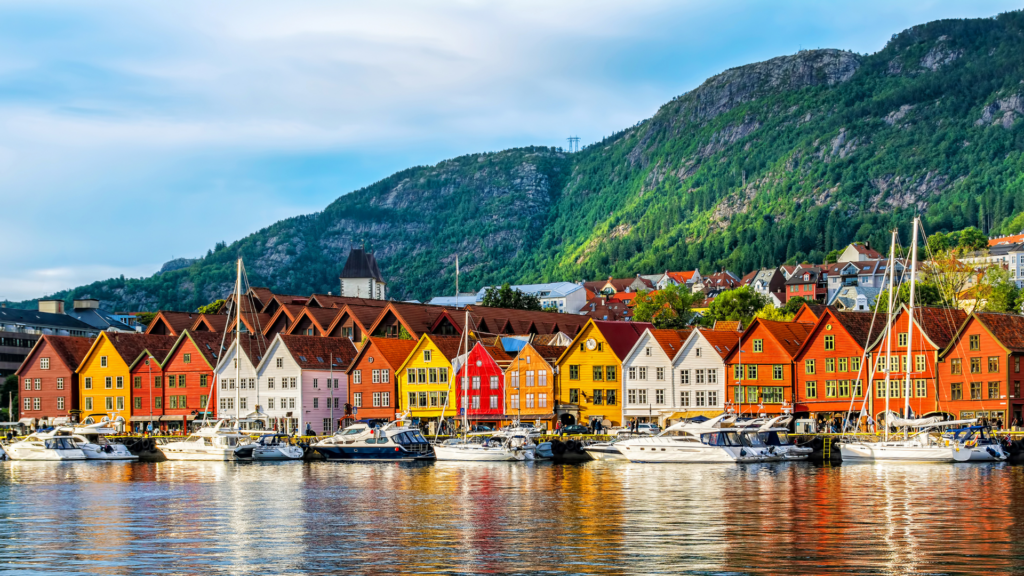
- Tuition: €0 for all students (including international)
- Fees: Around €50–€100 per semester
- Language: Mostly Norwegian for undergrad, more English at the master’s level
The tradeoff:
Norway is expensive
- Living costs: €12,000–€18,000/year
Even so, skipping tuition keeps total costs lower than many U.S. schools.
3. Austria

- Tuition: Free or low-cost for EU students; ~€1,500/year for non-EU
- Language: Many programs in German; some English options
Austria is not completely free for Americans, but still very affordable compared to the U.S.
4. Finland
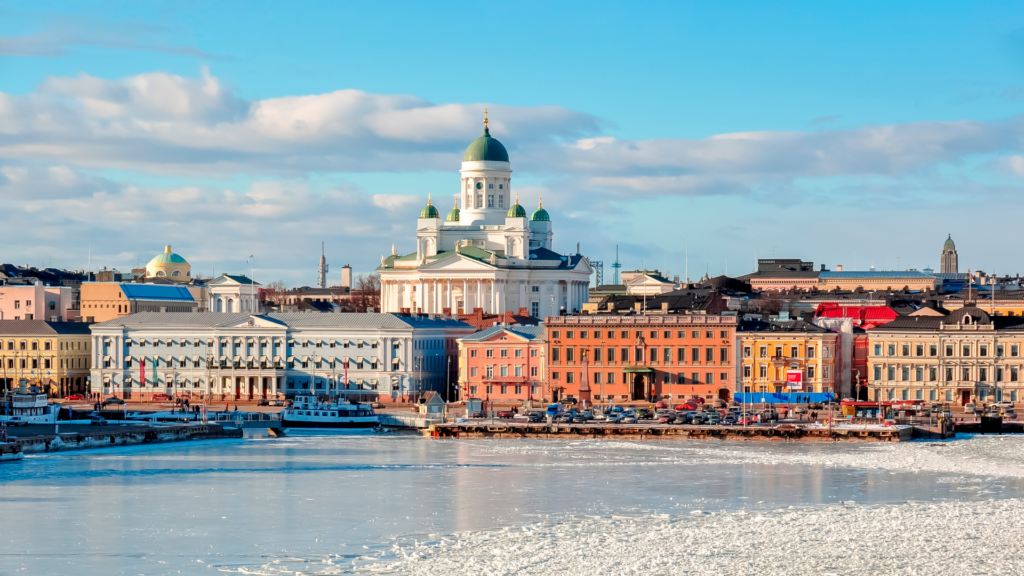
- Scholarships: Widely available, often covering 50–100%
- Scholarships: Widely available, often covering 50–100%
Here’s the twist:
With the right scholarship, your degree can end up being essentially tuition-free.
5. Sweden
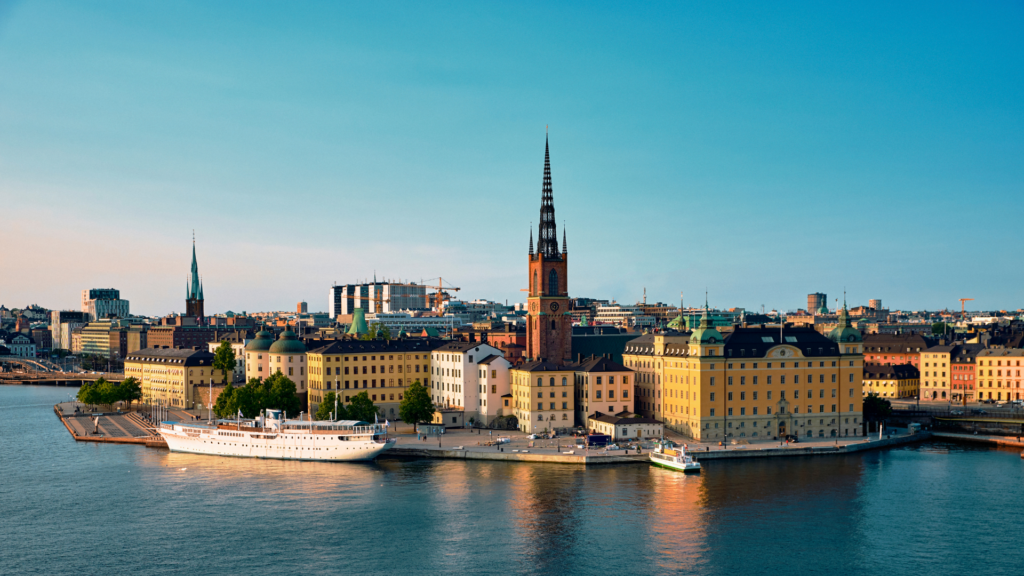
- Tuition: Free for EU students; €8,000–€25,000/year for non-EU
- Scholarships: Competitive but meaningful
Sweden is not free upfront, but definitely possible with funding.
6. France

- Tuition: Around €2,700/year at public universities for non-EU students
- Elite schools: Higher, but still often cheaper than the U.S.
Not technically free, but close, and more programs are being offered in English each year.
7. Denmark
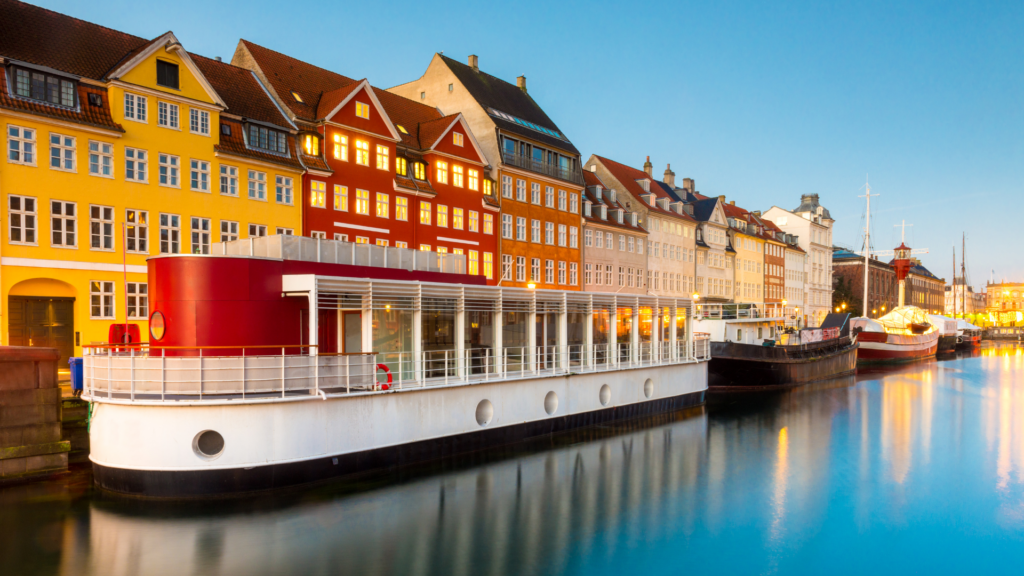
- Tuition: Free for EU students; higher for non-EU
- Scholarships: Available, often covering tuition
Similar to Sweden and Finland: not free by default, but strong funding options exist.
Comparison Table: Tuition-Free and Low-Cost Countries
| Country | Tuition for U.S. Students | Living Costs (Annual) | English Programs |
| Germany | Free | €10k–€12k | Many |
| Norway | Free | €12k–€18k | Some |
| Austria | ~€1,500/year | €10k–€12k | Limited |
| Finland | €0–€18k (scholarships) | €10k–€13k | Many |
| Sweden | €8k–€25k (scholarships) | €10k–€13k | Many |
| France | ~€2,700/year | €9k–€12k | Growing |
The Truth About “Free” College in Europe
Let’s be clear about one thing.
“Free” doesn’t mean zero cost. It means no tuition which is the biggest expense.
You’ll still need to budget for:
- Housing
- Food
- Health insurance
- Transportation
- Visa-related financial requirements
Typical total cost:
- About €10,000–€15,000 per year
Compare that to $30,000–$80,000 annually in the U.S., and the difference speaks for itself.
Why Some Countries Pay for Your Education?
It’s a fair question.
Many European countries see education as:
- A public investment, not a personal burden
- A way to attract global talent
- A driver of economic growth
In other words, they’re investing in people, local and international.
Hidden Perks of Free Higher Education Abroad
Saving money is the big one, but there’s more to it.
Some advantages students don’t expect:
- Simpler admissions (often based on grades and prerequisites, not essays and extracurriculars)
- No legacy or donor preference
- Three-year bachelor’s degrees in many countries
- Clear paths to graduate school
- More flexibility for international careers
The end result?
Less debt, more independence, and real global experience.
How to Study Abroad Without Tuition Fees
If you’re serious about this path, strategy matters.
Step-by-step approach:
- Target the right countries
Germany and Norway are the most dependable options if you’re looking for tuition-free education. - Choose English-taught programs
This matters a lot if you’re a U.S. student and don’t speak another language. - Check admission requirements early
European universities are usually very specific about what they expect, and missing one detail can set you back. - Apply broadly
In some countries, you can apply to several universities through one centralized system, which makes things easier. - Plan finances in advance
Even if tuition is free, you’ll still need to show proof that you can support yourself to get a student visa.
Discover all the English-taught European college programs in one place.
Beyond the States provides easy access to 12,600+ European bachelor’s and master’s programs across 870 universities, 550 cities, and 212 areas of study, plus all the resources you need to get there.
3400+
English-taught bachelor’s programs in our database.
550
Beautiful European cities to choose from.
$360,170
Typical savings against a private university in the US.
8200+
English-taught master’s programs in our database.
870
Top-tier universities accepting international students.
$65,038
Typical savings against in-state tuition in the US.
Tips for International Students to Study Tuition-Free
A few things make a big difference here.
- Apply early. Deadlines in Europe are often earlier than what you’re used to in the U.S.
- Focus on public universities. That’s where you’re most likely to find little to no tuition.
- If your background doesn’t quite match the requirements, look into foundation or pathway programs. They can help bridge the gap.
- In countries where tuition isn’t fully free, use scholarships to reduce costs as much as possible.
- And stay flexible. Being open to different locations or programs can give you more options.
Countries Where Anyone Can Go to College for Free
Not every country that offers “free college” includes international students.
The most straightforward options are:
These countries don’t limit free tuition to citizens or EU students.
Other countries may offer reduced tuition or scholarships, but they’re not fully tuition-free across the board.
Shocking Facts About Tuition-Free Universities
But wait.
- Some of the top-ranked universities in Germany zero tuition
- You can earn a degree that’s recognized in the U.S. and around the world.
- A lot of students finish with little to no debt.
- And in many cases, the admissions process is actually more straightforward than in the U.S. fewer gray areas, more clear-cut requirements.
How Free College Impacts Students’ Futures
Lower costs don’t just save money they change your options.
Graduates often have:
- more freedom to career choices
- Less pressure to chase high-paying roles right away.
- Easier to consider graduate school later on, since you’re not dealing with heavy debt.
- Having an international degree can open up more global job opportunities.
In short, it’s not just about saving money. It’s about having more flexibility.
Who Is This a Good Fit For?
This path isn’t for everyone, but it’s a great fit if you:
- Want to reduce or avoid student debt
- Meet academic requirements for structured programs
- Prefer clear, straightforward admissions criteria
- Are open to living abroad for 3–4 years
- Can handle planning and logistics on your own

Common Misconceptions About Free College Abroad
“It’s not legitimate”
Degrees from accredited European universities are recognized globally, including by U.S. employers and graduate schools.
“You need to speak another language”
Not necessarily. Many programs, especially at the master’s level are fully taught in English.
“It’s too complicated”
It’s different, yes. But often simpler and more transparent than the U.S. system.
“It’s only for top students”
Not true. Requirements vary a lot, and many programs accept solid (not perfect) academic records.
Frequently Asked Questions
We’re here to help answer your questions about Countries With Free College
Germany and Norway are the most consistent options.
Tuition can be, especially at public universities. You’ll still need to cover living expenses.
Yes. You can enroll directly in international universities and complete a full bachelor’s or master’s degree.
Yes. As long as the university is accredited, the degree is widely accepted.
Focus on tuition-free countries like Germany, or combine low-cost tuition with scholarships in places like Finland or Sweden.
Final Thoughts
Tuition-free college in Europe isn’t just a nice idea it’s already a reality for thousands of students each year.
The key is understanding how the system works, choosing the right country, and planning ahead.
If you’re looking for alternatives to high U.S. tuition, this is a path worth seriously considering
Start by exploring programs, comparing countries, and figuring out what fits your goals. Beyond the States can help you sort through your options and find programs that make sense academically, financially, and professionally.