How to Leave the USA
More than ever American’s are considering leaving for a new start, more job opportunities, lower costs, better schools or to experience different cultures. If you’re thinking of leaving the U.S., you should decide where to go, understand visa rules, and make a clear plan for work, study, or living abroad.
Moving abroad is a big step!
It is important to research different countries, compare visas, look at the cost of living, and plan finances just to start. Talking to experts (like us!) and other expats can help make the process easier and smoother.
Want a complete step-by-step roadmap to actually move to Europe?
If you’re serious about making the move not just reading about it. the Go Abroad Course walks you through everything from choosing your country to handling visas, housing, and settling in Europe.

Go Abroad Course
Whether you’re following your student abroad, planning a family relocation, or simply chasing a better quality of life, this course is your all-in-one roadmap to making the move to Europe. From choosing where to go, to handling paperwork, securing housing, and understanding local systems, you’ll walk away with a solid plan to turn your international dream into a reality.
Summary
What’s Your Motivation to Leave?
People choose to leave the USA for many different reasons. Maybe you hate the politics? Maybe the cost of everything has just become too much to handle. Understanding why you want to move, setting realistic goals, and learning about life in other countries can help you make the best decision.
Reasons for Leaving the USA
Many decide to leave the USA because they are looking for better quality of life, safer communities, or more affordable living. Factors such as gun violence, rising cost of living, or social unrest often top the charts. Opportunities abroad, like studying for a bachelor’s or master’s degree, can also be important reasons.
Some feel the American Dream is harder to reach and want to seek better job prospects or stable and affordable healthcare elsewhere. Others might be drawn to countries with stronger social support or a slower pace of life. Each person’s reasons are unique, but it is important to identify what makes moving appealing.
Considering Your Lifestyle and Goals
Before leaving, it is important to think about the lifestyle you want. Some countries offer a lower cost of living or a more relaxed work-life balance. Others may have different cultures and customs that could affect daily life.
A person planning to study abroad should research universities, degree requirements, and student life. If someone values outdoor activities or wants to escape large cities, they should look for places that match these preferences. Creating a list of personal goals and expectations helps focus the search for a new home.
Understanding Social, Economic, and Political Factors

Each country has its own social and political climate. Some nations may have less social unrest or stricter gun laws than the USA. Economic factors, like job availability, income level, and taxes, can affect quality of life.
Healthcare, transportation, and education systems also differ. For those moving for work or study, understanding visa rules and residence permits is crucial. It helps to research specific laws and customs in the country you are considering, as these can affect both daily life and long-term plans.
Researching Destinations and Comparing Countries

Before moving abroad, it is important to look closely at which countries fit personal needs and goals. Things like safety, cost, and quality of life can be very different from place to place.
Choosing the Right Country
You should think about your goals, lifestyle, and what you want in daily life. For example, some popular choices for expats include Portugal, Spain, Mexico, Costa Rica, Belize, Greece, and Panama. Countries like Germany, Malta, Australia, New Zealand, Canada, and Italy are also well-known for offering stable governments and good services.
If you’re interested in going to school you can look for degree programs abroad, since many schools in Germany, Australia, Canada, and Spain accept foreign students and offer considerable savings compared to American colleges (sometimes even free!). Large expat populations, such as in Cuenca, Ecuador or Portugal’s Algarve region, can help you adjust more easily. Plus of course, getting involved in a community makes settling in smoother.
Key questions to ask yourself:
- Does the country offer good public transportation?
- Can you get a work visa or student visa?
- Is the local language something you want to learn?
Comparing Cost of Living
Cost of living is a main reason people move outside the US. Mexico, Thailand, Costa Rica, and Belize are known for their lower cost of living and affordable housing. In Europe, places like Portugal, Spain, and Greece offer good value, though cities like Malta and Germany can be more expensive.
Below is a sample comparison of monthly expenses for a single person in 2025 (USD):
| Country | Rent (1BR, city center) | Groceries | Transport | Total (avg) |
|---|---|---|---|---|
| Mexico | $500 | $150 | $40 | ~$690 |
| Portugal | $800 | $200 | $60 | ~$1,060 |
| Thailand | $400 | $120 | $30 | ~$550 |
| Canada | $1,100 | $250 | $100 | ~$1,450 |
Living outside big cities and using public transportation can save more money. Some countries also offer tax breaks to new residents.
Evaluating Safety and Healthcare
Safety matters a lot when choosing a new country. Canada, Australia, New Zealand, and Germany are known for lower crime rates and stable societies. Many expats also choose Portugal, Malta, and Panama for peace of mind and friendly communities.
Quality of healthcare is another deciding factor. Countries like Italy, Spain, and Germany have advanced healthcare systems, with many countries in Europe offering universal healthcare. You wouldn’t believe the savings compared to the U.S. healthcare system, it’s insane!
Costa Rica and Thailand also have good medical care at lower costs. It is important to check if you qualify for local healthcare or will need private insurance. But even if you do need private insurance I can pretty much guarantee it will be exponentially less than it is back home.
Some useful points:
- Universal healthcare is often for residents and those with work or student visas.
- Private healthcare plans are available worldwide but vary in cost.
- Research if medicines or treatments you need are easy to get.
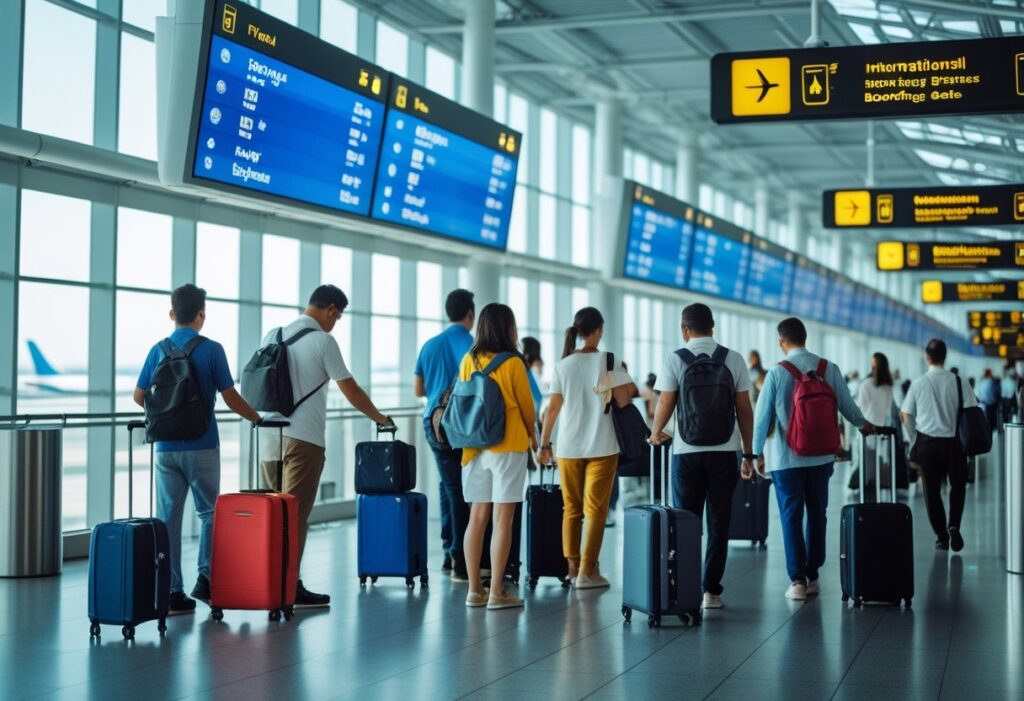
Navigating Visa and Legal Requirements
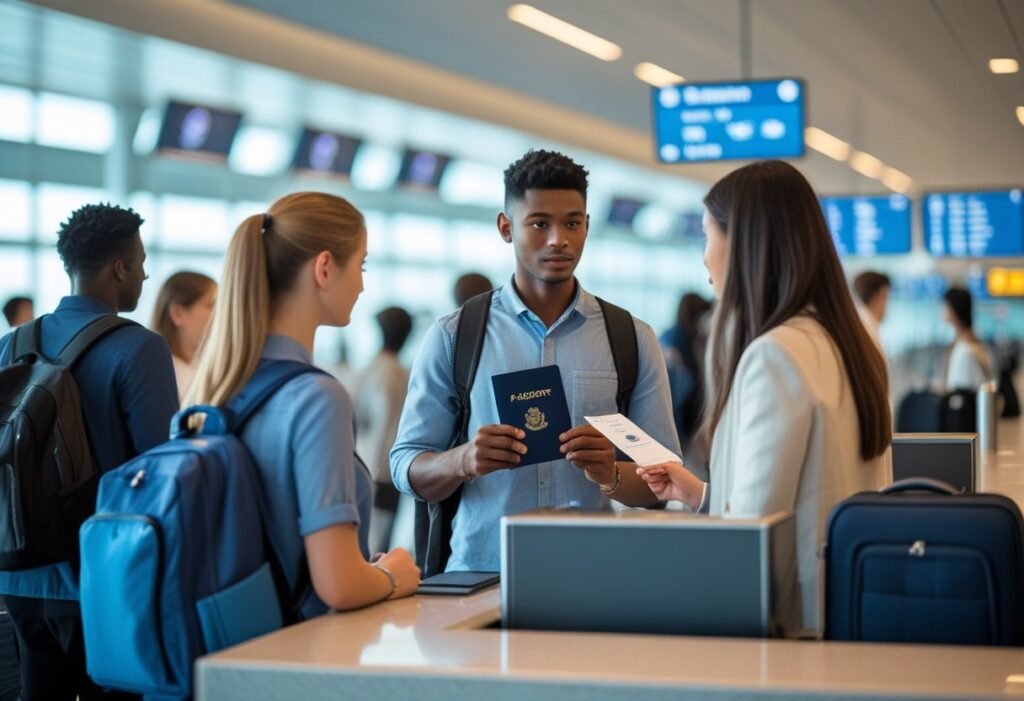
Moving from the USA to another country involves careful attention to legal and visa rules. The process can include choosing the right visa type, gathering required paperwork, and understanding property and customs laws.
Visa Options for U.S. Citizens
U.S. citizens usually need a visa or residence permit to stay in another country long-term. There are several options:
- Tourist Visas: Typically allow stays of 30 to 90 days. Extensions or conversions may not be possible.
- Student Visas: For those enrolling in an accredited program such as a bachelor’s degree programs. Documentation from the school will be required.
- Work Visas: Offered by many countries when you have a job offer. Examples include the H-1B (for the U.S.), EU Blue Card, or work permits for Canada and Australia.
- Digital Nomad Visas: Countries like Portugal, Estonia, and Croatia allow workers to live abroad while working remotely.
- Retirement Visas: Popular in countries such as Thailand or Mexico for retirees who meet income requirements.
- Investment/Golden Visas: Some countries offer residency or citizenship if you invest a specific amount in property, business, or government funds.
- Working Holiday Visas: For young adults (usually 18–35) to travel and work short-term.
It is important to check the specific visa laws and paperwork needed for each destination.
Documentation and Paperwork
Applying for a visa or residency means collecting and sending in specific documents.
Key items often include:
- Valid Passport: Must not expire within at least 6 months (very important!).
- Visa Application Forms: These are country-specific and often available online.
- Proof of Funds: Bank statements or pay slips to show you can support yourself.
- Criminal Background Checks: Many countries require a police certificate from the U.S. or any other country lived in recently.
- Health Insurance: Some visas require proof of coverage valid in the new country.
- Educational Documents: For student or skilled visas, you need diplomas, transcripts, and proof of enrollment or a job offer.
Paperwork requirements change often. It helps to check the consulate’s website and start gathering documents months before you plan to leave.
Second Citizenship and Dual Nationality
You may choose to get a second passport or apply for dual citizenship. This can make living and working abroad easier.
There are several ways to qualify:
- Ancestry: Some countries allow U.S. citizens to claim citizenship if their parents or grandparents were citizens.
- Naturalization: After living in a country for several years (often 5–10), you can sometimes apply for citizenship.
- Investment Programs: Golden visas or citizenship by investment schemes let people gain residency or citizenship through property or business investment.
- Marriage: Marrying a citizen may lead to a residency or citizenship path.
It is important to understand that the U.S. allows dual citizenship, but not every country does. Always check local laws before applying.
Understanding Customs and Property Laws
Taking personal items or large sums of money out of the USA may require declaring them at customs. There are strict limits on what you can bring out or into a country.
Customs rules affect:
- Currency: Taking more than $10,000 in cash or traveler’s checks in or out of the U.S. must be reported.
- Restricted or Banned Items: Some items are not allowed in certain countries, such as fresh foods, plants, or weapons.
Buying property as a foreigner can be complex. Laws differ:
- Some countries let foreigners own land and homes; others only allow long leases.
- Property taxes and costs can be higher for non-citizens.
- Always check if legal help is needed to buy real estate.
Understanding these details helps to avoid fines and problems at borders or after arrival.
Financial and Tax Considerations
People moving out of the United States often need to prepare for new financial rules and possible tax changes. It is important to set up banking, understand tax responsibilities, and know the options for saving and investing, including offshore accounts.
Banking and Managing Finances Abroad
Opening a local bank account in a destination country is often necessary. Many banks require proof of address, a passport, and sometimes a visa or residency permit. Some countries also accept student visas, which can help if someone is pursuing a bachelor’s, master’s, or doctorate degree abroad.
Online banks and internationally recognized banks like HSBC and Citibank offer easier access to accounts in several countries. Using a U.S. bank card may lead to high transaction or ATM fees, so it’s smart to ask about international account options before leaving.
Living abroad might mean higher or lower day-to-day expenses depending on the cost of living. Keeping some savings in U.S. accounts can help with emergencies or paying bills that remain in the United States.
Tax Implications of Leaving America
Leaving the United States does not automatically end tax obligations. U.S. citizens and green card holders must usually file annual tax returns, reporting worldwide income to the IRS. People must also check if they need to pay state taxes, especially if they own property in the United States.
Foreign Earned Income Exclusion (FEIE) can lower the amount of income taxed by the U.S. It is important to file the right tax forms even when living abroad, or face penalties. Some countries have tax treaties with the United States that may reduce double taxation, so checking local rules is key.
Owning property abroad or in the United States may bring different property tax responsibilities. Keeping good records helps manage both U.S. and foreign taxes.
Investing and Offshore Accounts
You can keep U.S.-based retirement accounts like IRAs or 401(k)s while living overseas, but withdrawals might have tax consequences both in the United States and in the new country. Offshore IRAs and other accounts are legal but must be reported every year to the IRS using the FBAR form or Form 8938.
Main points to consider:
- Tax advantages: Some countries offer tax breaks for retirees or investors.
- Offshore accounts: Keeping money abroad can make payments and investments easier, but these accounts must be reported.
- Investing: People should look into investment rules in their new country, since some do not let foreigners invest in certain funds or property.
Not all banks or brokers allow U.S. citizens to open new accounts due to U.S. regulations, so researching this before leaving is smart. It is important to check all local and U.S. rules about reporting and taxes to stay legal and avoid fines.
Planning Your Move Out of the United States
Careful planning can make moving abroad much easier. It is important to gather the right documents, make detailed arrangements, and know what needs your attention before leaving the USA.
Organizing Your International Move
Start by making a checklist of tasks and deadlines. This should cover passport renewal, visa applications, and getting official documents like birth or marriage certificates. Some countries require background checks or proof of vaccines. Collect school records for children and talk to your bank about using your accounts overseas.
If you are planning to study abroad, find out what paperwork is needed for a student visa. . Research schools and application deadlines early to avoid missing out. We of course can help you with all of that, so you don’t have to stress. We help thousands of students each year leave the U.S. and get their degree abroad.

Finding Housing and Accommodations
Start researching places to live as soon as you know your destination. Review local rental websites, social media groups, or expat forums for tips and listings. Some people choose temporary housing, like hotels or short-term rentals, while looking for a permanent home. Ask employers, schools, or other expats for advice.
When renting, check if utilities are included and know your rights and responsibilities as a tenant. Look up the safety and convenience of neighborhoods, using maps and crime reports. For students, consider campus housing, which often makes moving abroad simpler.
Keep a list of potential homes with details like location, price, and contact information:
| Location | Rent (USD) | Included Utilities | Distance to Work/School |
|---|---|---|---|
| Downtown | $1,200 | Yes | 10 min walk |
| Suburbs | $900 | No | 30 min bus |
Arranging Travel and Shipping
Book flights well in advance to get better prices and more options. Choose an airline with flexible ticket policies in case plans change. When moving abroad with pets, check import rules, required vaccines, and quarantine requirements.
Decide what to ship based on the cost, time, and customs rules in your new country. International moving companies offer door-to-door shipping, but prices vary. Label everything and pack items in sturdy boxes. For smaller shipments, consider using the postal service or a courier.
Make a list of must-have items in your carry-on bags, such as passports, electronics, medication, and a change of clothes. This helps in case checked baggage is delayed or lost. Make sure to keep valuable or irreplaceable items with you during your move abroad.
Adapting to Life Abroad
Living in another country means learning new ways of doing everyday things, from seeing a doctor to meeting friends. Many expats find daily routines and local customs can be very different from what they are used to in the USA.
Healthcare Options in a New Country
Healthcare systems can vary a lot between countries. Some countries offer universal healthcare, meaning almost everyone can get care for little or no cost. Others may require private health insurance, which can be expensive. It’s important to research what kind of health coverage is available before moving.
Here is a quick overview:
| Country Type | Common Healthcare System | Notes |
|---|---|---|
| Western Europe | Universal/State-funded | Often high quality, covers most residents |
| Southeast Asia | Mix of public/private | Expats may need private insurance |
| Latin America | Public & Private options | Costs lower, quality can vary by country |
Knowing if you will need vaccines, regular check-ups, or help with prescriptions is key. Students moving abroad for a bachelor’s, master’s, or doctorate degree should check if the university offers a student insurance plan.
Building a Social Network
Making new friends helps with the adjustment to a new place. Many cities with a large expat population have clubs, sports teams, or online groups just for newcomers. Using social media is also a common way to meet people who speak the same language or share similar interests.
Consider these steps to build a network:
- Attend local events such as festivals, language exchanges, or city tours.
- Join study groups if attending school, especially if studying abroad.
- Volunteer for local organizations to meet both locals and other expats.
Even a simple weekly coffee meetup can help someone feel more at home in a new country.
Adjusting to Cultural Differences
Moving abroad means daily life may look different, from the way people greet each other to how they shop or use public transport. Learning about local customs before arriving can reduce confusion.
It is helpful to learn some basic phrases in the local language. Respect for local traditions, even if they seem unusual, goes a long way. Many expats find it helps to keep an open mind and ask questions politely.
Schools abroad may also have a different style of teaching and grading. Students getting their bachelor’s, master’s, or doctorate degree abroad should be prepared for this. Patience, observation, and willingness to adapt are important traits in these situations.
Special Considerations for Retirees
Retirees planning to leave the USA have unique needs. Cost of living, visa requirements, and healthcare options all play key roles in choosing where to settle.
Best Countries for Retirement
Some countries are especially popular with retirees due to low living costs, good healthcare, and welcoming policies. Portugal, Spain, and Costa Rica are often chosen for their mild climates and affordable expenses. Mexico and Panama are also common picks, offering large expat communities and retiree discounts on many services.
Those looking for both good standards of living and cultural experiences may choose to get a bachelor’s, master’s, or doctorate degree abroad as part of their retirement plan. Some countries, like Italy or Thailand, allow foreign retirees to study and stay long-term.
Below is a simple comparison table of popular options:
| Country | Cost of Living | Healthcare | Special Visa |
|---|---|---|---|
| Portugal | Low | Universal | Golden Visa |
| Costa Rica | Low | Good | Pensionado Visa |
| Spain | Medium | Universal | Non-Lucrative Visa |
| Mexico | Low | Mixed (public/private) | Temporary Resident |
Retirement Visas and Residency Programs
Most countries require retirees to apply for special visas. Retirement visas often have minimum income requirements. For example, Portugal’s Golden Visa lets people invest in property to qualify for residency. Costa Rica’s Pensionado Visa needs proof of monthly income, like a pension of around $1,000 per month.
Residency programs can differ a lot. Some, like Panama’s Pensionado, are simple and low-cost. Others, such as Spain’s, may have more rules about healthcare coverage and source of funds. People interested in studying abroad during retirement should check student visa requirements, as these can allow longer stays in many countries.
Check each country’s official immigration website for details, as visa rules may change over time.
Access to Healthcare for Retirees
Healthcare is a major concern for retirees moving abroad. Some countries offer universal healthcare, which covers most medical needs at low or no cost. Spain and Portugal provide universal care for legal residents, but retirees may need private insurance during the first year.
In Mexico and Costa Rica, retirees may access public healthcare after getting residency. Private insurance is also an option and is usually cheaper than in the U.S. It is important to check if local hospitals accept foreign insurance and if English-speaking doctors are available.
Retirees seeking higher education abroad can sometimes access student health plans, which can be more affordable. The quality and accessibility of healthcare should be checked carefully before making the move.
Opportunities for Digital Nomads and Remote Workers
Many people leave the USA to work remotely or take advantage of digital nomad programs. Some move for job flexibility, while others want to study abroad or look for a change in lifestyle.
Best Destinations for Digital Nomads
Certain countries make it easy for digital nomads to live and work legally. Portugal, Estonia, and Costa Rica are popular because they offer special visas for remote workers. These countries often have stable internet, affordable living, and welcoming communities.
Thailand and Mexico are also popular, with big cities and smaller beach towns full of coworking spaces and social events for remote workers. If someone wants to combine work with study, getting a bachelor’s or master’s degree in Europe is a good option. Some people start by researching digital nomad-friendly destinations at beyond the states.
When choosing a country, costs, internet speed, safety, and the availability of social and study networks matter most. It is also important to factor in time zone differences if working with clients in the United States.
Applying for Digital Nomad Visas
Many governments now offer digital nomad visas or remote worker permits. These visas let people stay for several months to a couple of years while working online.
Portugal’s D7 visa, Spain’s digital nomad visa, and Costa Rica’s Rentista visa are well-known options. Most programs require proof of income, health insurance, and a clean background check. Age requirements and the amount of income needed can vary, so it’s important to check official government sites.
A few countries, like Australia and New Zealand, offer working holiday visas for certain age groups, usually 18 to 30 or 35 years old. These visas let people work while traveling for up to a year. Checklist documents needed often include a passport, income statements, and proof of accommodation.
Working Abroad Legally
To work abroad legally, remote workers usually need a valid visa. This can be a digital nomad visa or a student visa when getting a degree abroad. Legal work status helps avoid fines, travel bans, or being asked to leave the country.
Remote workers should keep up on tax laws in both the United States and their country of stay. Many countries require paying some taxes or signing up for local healthcare. In some places, once the visa is approved, a person must register with local police or municipal authorities soon after arriving.
Bringing family, getting permission to do freelance work, or joining local work programs may need extra paperwork. Always follow specific visa rules and submit updates if work or living situations change.
Protecting Yourself Abroad
Staying safe in a new country requires taking steps before and after you leave. Health coverage and personal safety planning can prevent unnecessary problems and give travelers peace of mind.
Securing Health and Travel Insurance
Having health and travel insurance is essential when living, working, or getting a degree abroad. Most U.S. health insurance plans do not work outside the United States. International medical costs can be much higher than at home, and many countries require proof of insurance before issuing a visa.
Here are important items to look for in a plan:
- Emergency medical coverage
- Coverage for routine doctor visits
- Repatriation and evacuation services
- COVID-19 coverage (if needed)
- Lost or stolen property protection
Students who plan to earn a bachelor’s, master’s, or doctorate degree in another country should check if their school offers student health insurance. Some governments also provide basic insurance as part of a student visa.
Travelers can compare different insurance plans online. Always read the policy’s fine print, and make sure it covers all countries on your trip.
Maintaining Personal Safety
Knowing about local laws and customs can prevent trouble with authorities. Travelers should get up-to-date safety advice from reliable sources, like government travel websites such as the U.S. Department of State or the UK Foreign Office.
Key personal safety steps include:
- Register with your country’s embassy upon arrival
- Share your travel plans with family or friends
- Keep digital copies of your passport and ID
- Learn the local emergency numbers
- Stay aware of your surroundings, especially in unfamiliar areas
It helps to keep a small supply of cash, have a local phone card or SIM, and avoid showing valuables in public. Sometimes, schools or universities abroad provide safety briefings or guidance to new students. Familiarizing yourself with transport and neighborhoods can further reduce risks.
Frequently Asked Questions
Different countries have their own rules for allowing Americans to live, work, or study abroad. Leaving the US takes planning, money, legal steps, and clear reasons for wanting to move.