Best Places to Live in Germany
If you’re looking for a country with world-class universities, affordable tuition, and an outstanding quality of life, Germany is hard to overlook. Yet many Americans still think studying in Germany only means spending a semester abroad instead of earning a full, accredited degree.
Here’s what many families don’t realize.
Thousands of international students complete entire bachelor’s and master’s degrees in Germany every year. Many of those programs are taught in English and offered by universities with strong global reputations. If you’re looking for a more affordable way to earn a degree, choosing the right city can be just as important as choosing the right university.
Summary
Why Germany Is One of the Best Countries for an International Degree
Germany has become one of Europe’s top destinations for international students, and it’s easy to see why.
Students benefit from:
- Public universities with little or no tuition in many federal states
- Hundreds of English-taught degree programs
- Strong global university rankings
- A stable economy with excellent career opportunities
- Straightforward admissions at many institutions
- High standards of accreditation recognized internationally
Unlike the often unpredictable admissions process many U.S. families face, German university admissions tend to be more transparent and are usually based primarily on academic qualifications.
At Beyond The States, we help students find fully accredited degree programs taught entirely in English—not traditional study abroad programs. We research universities, verify accreditation, and highlight programs that offer both affordability and strong academic outcomes.
Best Places to Live in Germany
| City | Best For | Cost of Living | Student Life | Career Opportunities | Safety |
|---|---|---|---|---|---|
| Munich | Careers, engineering | High | Excellent | Outstanding | Excellent |
| Berlin | Creative industries, startups | Moderate | Excellent | Very Strong | Very Good |
| Heidelberg | International students | Moderate | Outstanding | Strong | Excellent |
| Freiburg | Sustainability, quality of life | Moderate | Excellent | Good | Excellent |
| Leipzig | Affordability | Low | Growing | Good | Very Good |
| Aachen | STEM students | Affordable | Outstanding | Excellent | Excellent |
| Hamburg | Business and logistics | High | Excellent | Outstanding | Excellent |
| Tübingen | Academic environment | Moderate | Excellent | Good | Excellent |
Best Cities to Live in Germany
Munich: Best for Career Opportunities
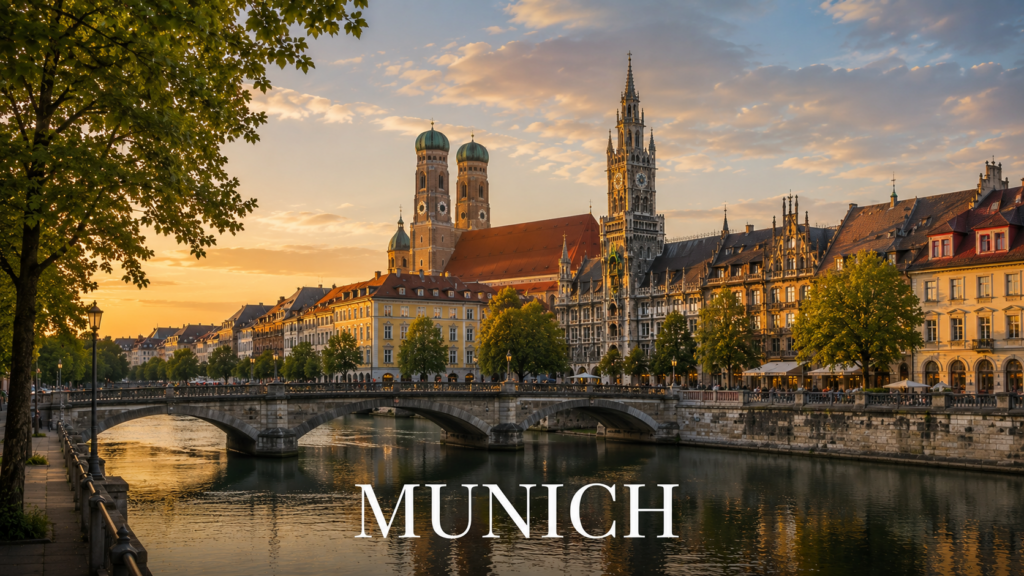
Munich regularly ranks among the best cities to live in Germany, thanks to its strong economy and high quality of life.
The city is home to major employers like BMW, Siemens, and many leading technology companies. That makes it especially appealing for students studying engineering, computer science, or business.
Some of Munich’s biggest advantages include:
- Excellent public transportation
- Low unemployment
- Strong internship opportunities
- High salaries after graduation
- Beautiful parks and outdoor recreation
The biggest downside is the cost. Munich has one of the most expensive housing markets in Germany.
Berlin: Best for International Students

Berlin has grown into one of Europe’s most international cities.
Its diverse population, thriving startup scene, and vibrant arts community make it one of the most expat-friendly cities in Germany.
Students often choose Berlin because it offers:
- A large international community
- English widely spoken
- Excellent universities
- A vibrant cultural scene
- A growing technology sector
Compared to many U.S. cities, Berlin still offers relatively affordable public transportation and healthcare. Rent, however, has risen significantly over the past several years.
Heidelberg: Best for Academic Life

Heidelberg is often considered one of the best places to live in Germany for students.
Its historic university attracts students from around the world, creating a welcoming and international atmosphere.
Highlights include:
- A beautiful historic center
- Excellent research universities
- A walkable city
- Strong support for international students
- Safe neighborhoods
If academics and a close-knit student community matter more to you than nightlife, Heidelberg is well worth considering.
Freiburg: Best Quality of Life

Freiburg is known for its focus on sustainability and consistently ranks highly for overall quality of life.
Located near the borders of France and Switzerland, the city offers:
- A mild climate
- Extensive cycling infrastructure
- Beautiful Black Forest surroundings
- A strong environmental focus
- A relaxed lifestyle
Many families appreciate Freiburg’s balance of city conveniences and easy access to nature.
Leipzig: Best Value

If you’re searching for affordable places to live in Germany, Leipzig deserves a close look.
Housing costs are much lower than in Berlin or Munich, while the city still offers:
- A growing creative economy
- A strong arts scene
- Affordable rent
- An expanding university community
- Excellent transportation
For students on a budget, Leipzig offers some of the best value you’ll find in Germany.
Aachen: Best for STEM Students

Located near the borders of Belgium and the Netherlands, Aachen is home to one of Germany’s leading technical universities.
Students interested in engineering, robotics, and computer science can benefit from:
- Strong industry partnerships
- International research opportunities
- Affordable housing
- An active student community
- Easy travel throughout Europe
Best Places to Live in Germany for Americans
Americans moving abroad often consider more than academics alone.
The best places to live in Germany for Americans usually combine international communities, easy access to English, and reliable transportation.
Some of the top choices include:
- Berlin
- Munich
- Heidelberg
- Hamburg
- Frankfurt
These cities generally offer:
- Large international populations
- American expatriate communities
- International airports
- English-speaking services
- A wide range of housing options
Learning German is still highly recommended for everyday life and future career opportunities. That said, many international students successfully begin their studies with limited German while enrolled in English-taught degree programs.
Best Places to Live in Germany for Students
Every student is looking for something a little different.
If affordability is your top priority, consider:
- Leipzig
- Aachen
- Dresden
If you’re looking for an active student scene, these cities stand out:
- Berlin
- Heidelberg
- Munich
If you’d rather study in a smaller university town, take a look at:
- Tübingen
- Freiburg
- Heidelberg
The best choice ultimately comes down to your academic goals, budget, preferred lifestyle, and long-term plans.

Join the conversation.
Get real answers.
Beyond the States is a student community for those building their future in Europe.
Best Places to Live in Germany for Families
If you’re moving to Germany with your family while pursuing a graduate degree, you’ll probably care most about things like safety, good schools, healthcare, and access to parks and green spaces.
Some of the best family-friendly cities include:
- Freiburg
- Heidelberg
- Munich
- Münster
- Tübingen
These cities are known for offering:
- Reliable public transportation
- Plenty of parks and recreational spaces
- Excellent healthcare
- Family-friendly neighborhoods
- Strong education systems
Safest Cities in Germany
Germany is widely considered one of the safest countries in Europe.
Some of the safest cities in Germany include:
- Munich
- Heidelberg
- Freiburg
- Augsburg
- Erlangen
Like any country, Germany isn’t completely crime-free. However, violent crime rates are generally low, and public transportation is safe and widely used across the country.
Cost of Living in Germany
One of Germany’s biggest advantages is that it’s often more affordable than many U.S. college towns.
Estimated Monthly Student Budget
| Expense | Estimated Monthly Cost |
|---|---|
| Housing | $450–$1,000 |
| Food | $250–$400 |
| Transportation | $35–$75 |
| Health Insurance | $140–$170 |
| Utilities & Internet | $100–$180 |
| Personal Expenses | $150–$300 |
Estimated Total: $1,125–$2,125 per month
Your actual expenses will depend on where you live. Cities like Munich and Hamburg tend to be more expensive, while Leipzig and Dresden are generally much easier on a student budget.
Even after factoring in living costs, earning a degree in Germany can still be significantly less expensive than attending many four-year colleges in the United States. That’s especially true since tuition at many public universities is low or even free for most degree programs.
Where to Live in Germany Based on Your Goals
If affordability is your priority
- Leipzig
- Dresden
- Aachen
If you’re focused on career opportunities
- Munich
- Berlin
- Frankfurt
- Hamburg
If you want a traditional university town
- Heidelberg
- Tübingen
- Freiburg
If you prefer an international environment
- Berlin
- Hamburg
- Frankfurt
The best city for you isn’t always the most famous one. Think about your academic program, internship opportunities, budget, and the kind of lifestyle you want before making your decision.
German Cities for International Residents
Germany has become increasingly welcoming to international students and professionals.
Many cities now offer:
- International student offices
- English-language services
- Cultural integration programs
- Student housing support
- Career counseling
These resources can make the transition much smoother, especially if it’s your first time living and studying abroad.

Who Is This a Good Fit For?
Germany could be a great choice if you:
- Want to lower your college costs without giving up academic quality
- Are excited about living in a different culture
- Prefer a straightforward admissions process
- Want access to career opportunities across Europe
- Plan to earn a fully accredited degree taught in English
- Appreciate reliable public transportation and a high quality of life
If you’re expecting a traditional American campus experience with large sports programs and dorm-centered social life, keep in mind that German universities tend to have a different campus culture.
Common Misconceptions About Living in Germany
“You must speak fluent German before attending university.”
Not necessarily.
Many bachelor’s and master’s degree programs are taught entirely in English. That said, learning German can make everyday life easier and open up more internship and career opportunities after graduation.
“Degrees earned in Germany won’t be recognized.”
That’s a common misconception.
German universities have an excellent international reputation, and accredited degrees are widely recognized by employers and graduate schools around the world. As with any degree abroad, it’s always a good idea to confirm a program’s accreditation before applying.
“Germany is only for engineering students.”
Engineering is one of Germany’s strengths, but it’s far from the only option.
Students can also choose from high-quality programs in business, psychology, economics, sustainability, computer science, public health, international relations, and many other fields.
Frequently Asked Questions
We’re here to help answer your questions about the best places to live in Germany
There’s no single answer because it depends on what matters most to you. Munich is known for career opportunities, Berlin has a highly international atmosphere, Heidelberg is a favorite among students, and Leipzig stands out for affordability.
Leipzig, Dresden, and Aachen are among the most affordable cities in Germany. They also offer strong universities and reliable public transportation.
Yes. Germany attracts many American students thanks to its internationally recognized universities, affordable education, high quality of life, and wide selection of English-taught degree programs.
Most international students spend about $1,125 to $2,125 per month, depending on the city they choose and their housing arrangements.
Munich, Freiburg, Heidelberg, Hamburg, and Tübingen are consistently recognized for their safety, transportation, healthcare, and overall quality of life.
Yes. Many German universities offer complete bachelor’s and master’s degrees taught in English. These are fully accredited degrees—not study abroad programs—and graduates can continue their education or pursue careers around the world.
Final Thoughts
The best places to live in Germany come down to your personal goals. Some students want the lowest possible living costs, while others care more about career opportunities, student life, or raising a family. The good news is that Germany offers excellent options for all of these priorities.
When choosing where to live, look beyond rankings. Consider factors like your budget, transportation, internship opportunities, and the kind of community where you’ll feel most at home.
At Beyond The States, we help students find fully accredited English-taught degree programs across Europe, including Germany. We research universities, verify program quality, and make it easier to compare your options with confidence.
If you’re considering Germany, we invite you to explore our program database, compare study destinations across Europe, or take our Beyond The States quiz to discover universities that match your goals. You can also schedule a free strategy call with our team to discuss your options and learn more about our Guaranteed Admissions package if you’d like extra support with your applications.