Best Value Colleges
The average cost of a U.S. college degree can easily top $150,000, and that’s before you even think about graduate school. For a lot of families, that number just doesn’t line up with reality.
Here’s something many people still don’t know.
You don’t have to stay in the U.S. to get a fully accredited, respected bachelor’s degree. Thousands of American students are now earning degrees abroad, taught entirely in English, and paying far less overall.cost.
That changes the conversation pretty quickly.
Summary
What “Best Value Colleges” Really Means Today
When families talk about best value colleges, they usually think about in-state tuition, merit scholarships, or public universities.
But that definition misses a lot.
A true best value college should include:
- Strong, accredited academics
- Clear and transparent admissions
- Strong career outcomes
- Reasonable total cost (not just tuition)
And here’s the part that surprises most people.
Some of the strongest value options aren’t in the U.S. at all. They’re in Europe.
Why Europe Belongs in the Best Value Colleges Conversation
European universities have been around for centuries. Many are public institutions supported by government funding, which helps keep tuition low and access wide.
For U.S. students, that usually means:
- Much lower tuition costs
- Degree programs taught in English
- Internationally recognized diplomas
- Straightforward admissions requirements
And these aren’t exchange programs. They’re full bachelor’s degrees.
Cost of College in Europe vs US for Americans
Here’s a simple breakdown:
| Expense Category | U.S. (Average Private) | U.S. (In-State Public) | Europe (Typical Range) |
| Tuition | $35,000–$60,000/year | $10,000–$25,000/year | $0–$15,000/year |
| Housing | $10,000–$15,000 | $10,000–$15,000 | $6,000–$12,000 |
| Total Annual Cost | $45,000–$75,000 | $20,000–$40,000 | $8,000–$25,000 |
Total 4-year degree cost:
- U.S.: $80,000 to $300,000+
- Europe: $30,000 to $100,000
Even without scholarships, Europe often ends up being significantly cheaper.
Is Studying in Europe Cheaper Than the US?
Most of the time, yes, but it depends on the country and the program.
No Tuition Universities in Europe for US Students
Some places offer extremely low or even no tuition at public universities:
- Germany (many programs tuition-free)
- Norway (limited English bachelor’s options, but still notable)
- Austria (low-cost public universities)
In many cases, students only pay small administrative fees often under $1,000 per year.
Low Tuition Universities for International Students
Other countries still charge tuition, but it’s far lower than the U.S.:
- Netherlands: $6,000–$15,000/year
- Italy: $1,000–$5,000/year (income-based at some schools)
- Spain: $1,000–$4,000/year
- France: $3,000–$4,000/year (public universities)
Once you factor in living costs and flights, the total still usually comes out lower than studying in the U.S.



Best Value Universities Taught in English
One common misunderstanding is that you need to speak another language.
You don’t.
There are thousands of bachelor’s programs across Europe taught entirely in English.
Here are a few strong examples:
1. University of Groningen (Netherlands)
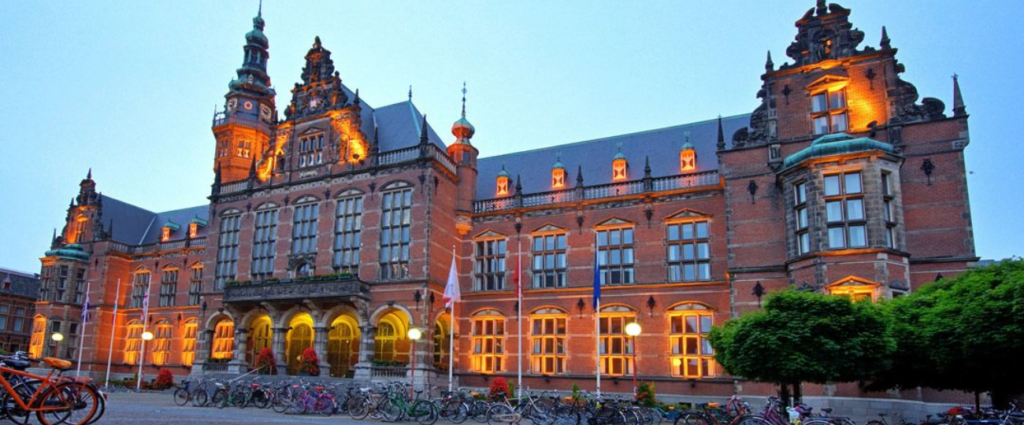
- Tuition: ~$8,000–$13,000/year
- Strong in business, economics, and sciences
- Wide range of English-taught bachelor’s programs
- Good balance of cost, reputation, and student life
Example yearly breakdown (Netherlands):
- Tuition: $10,000
- Housing: $8,000
- Living expenses: $5,000
- Insurance & misc: $2,000
Total: ~$25,000/year
2. Free University of Berlin (Germany)

- Tuition: ~$0 (small semester fees only)
- Globally recognized research institution
- A strong example of no-tuition education
- Limited but growing English-taught bachelor’s options
3. University of Bologna (Italy)
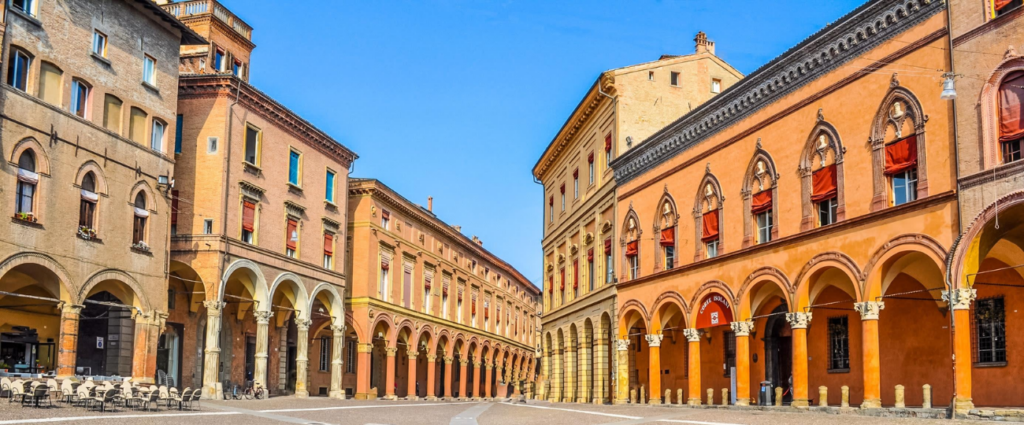
- Tuition: ~$1,000–$4,000/year (often income-based)
- One of the oldest universities in the world
- Increasing number of English-taught programs
- Scholarships available for international students
4. University of Barcelona (Spain)

- Tuition: ~$2,000–$4,000/year
- Affordable cost of living compared to Northern Europe
- Growing English-taught degree options
- Strong in humanities, business, and sciences
5. Trinity College Dublin (Ireland)

- Tuition: ~$18,000–$25,000/year
- Higher cost, but strong global reputation
- English-speaking environment makes transition easier
- Often chosen for its ROI and familiarity
6. Lund University (Sweden)

- Tuition: ~$10,000–$15,000/year
- Highly ranked internationally
- Strong focus on innovation and research
- Scholarships available for international students
7. University of Florida (USA)

- Tuition: ~$6,000 (in-state), ~$28,000 (out-of-state)
- Strong academics and high ROI
- Competitive admissions
- One of the better-value public options in the U.S.
8. Purdue University (USA)

- Tuition: ~$10,000 (in-state), ~$28,000 (out-of-state)
- Known for engineering and STEM
- More transparent pricing than many private schools
- Still significantly more expensive overall than most EU options
The Bigger Picture
When you compare everything side by side, the strongest value universities taught in English are increasingly in Europe.
It’s not just about tuition. It’s also about:
- Total cost of attendance
- Clear and predictable pricing
- Strong academic reputation
- Shorter degree timelines in many countries (often 3 years instead of 4)
Even strong U.S. public universities often struggle to match that combination, especially when you compare them to:
- Tuition-free programs in Germany
- Low-cost universities in Southern Europe
- Faster degree completion in parts of the EU
Discover all the English-taught European college programs in one place.
Beyond the States provides easy access to 12,600+ European bachelor’s and master’s programs across 870 universities, 550 cities, and 212 areas of study, plus all the resources you need to get there.
3400+
English-taught bachelor’s programs in our database.
550
Beautiful European cities to choose from.
$360,170
Typical savings against a private university in the US.
8200+
English-taught master’s programs in our database.
870
Top-tier universities accepting international students.
$65,038
Typical savings against in-state tuition in the US.
How to Find Best Value Colleges Abroad
This is where a lot of families tend to get stuck.
The information is out there, but it’s scattered and not always consistent.
A more practical way to approach it looks like this:
1. Start with countries, not individual schools
Begin by narrowing down places known for lower costs and plenty of English-taught programs.
Good starting points include:
Each of these has solid public or semi-public university systems with options for international students.
2. Stick to universities with clear admission rules
One of the biggest differences in Europe is how straightforward admissions can be.
Many universities clearly list:
- Required GPA
- Required coursework
- English proficiency standards
There’s usually no guessing involved or vague “holistic review” decisions.
3. Check accreditation carefully
This part matters more than people realize.
Make sure the university is:
- Government-recognized
- Part of the European Higher Education Area (EHEA)
That helps ensure your degree is accepted for things like:
- U.S. graduate school applications
- Jobs in international companies
4. Look at total cost, not just tuitionn
Tuition alone doesn’t tell the full story.
You’ll want to factor in:
- Housing
- Insurance
- Travel
- Daily expenses
Sometimes a “low tuition” country can still feel expensive depending on the city.
5. Use a vetted resource instead of piecing it together alone
This is where support can save a lot of time.
At Beyond The States | study abroad advising company, programs are reviewed in advance, accreditation is checked, and affordability is a major focus. The goal is to make the search less overwhelming and more structured.

Scholarships in Europe for American Students
To be honest, Europe is already relatively affordable, but scholarships are still available.
They usually fall into a few categories:
Government Scholarships
- Funded by specific countries
- Often based on merit or financial need
University Scholarships
- Tuition discounts
- Merit-based awards
- Sometimes incentives for international students
External Scholarships
- U.S.-based organizations
- Field-specific funding
Even a small award can make a noticeable difference since baseline costs are often lower to begin with.
Why Best Value Colleges in Europe stand out
1. Clear admission expectations
You usually know exactly what you need. Grades, courses, and test scores are spelled out.
2. Shorter degree length
Many bachelor’s programs are 3 years, instead of 4.
3. International environment
You’ll study with students from a wide range of countries, not just one system.
4. Strong career flexibility
Graduates often work across Europe or return to the U.S. with international experience on their resume.
5. U.S. graduate school recognition
Accredited European degrees are commonly accepted by U.S. grad and professional schools.
A Couple of U.S. Best Value Colleges
There are still solid options in the U.S., such as:
- Public honors colleges
- In-state flagship universities
- Schools with strong merit aid
But even these can end up costing more than many full degree programs in Europe.
Who Is This a Good Fit For?
This path works best for students who:
- Want to significantly reduce college costs
- Prefer clear, criteria-based admissions
- Are open to living abroad for several years
- Have a focused academic interest
- Are fairly independent and adaptable
It may not be the best fit for students who:
- Want a traditional U.S. campus experience
- Prefer exploring majors a long time
- Are aiming for NCAA sports
Common Misconceptions About Studying in Europe
“The degree won’t be recognized in the U.S.”
Not true. Accredited European universities are widely accepted.
“It’s only for wealthy or elite students”
Actually, many programs cost less than in-state tuition.
“You need to speak another language”
There are thousands of fully English-taught programs.
“Admissions are harder”
In many cases, they’re more straightforward and criteria-based than in the U.S.
Frequently Asked Questions
We’re here to help answer your questions about Best Value Colleges Abroad
Yes. Germany is the most well-known example. Students still pay living costs, though.
Usually direct through the university or a centralized system, with clearly listed requirements.
Yes. European degrees are commonly accepted by U.S. graduate programs.
In many cases, yes even after living expenses.
Yes. There are thousands across Europe.
Final Thoughts
What counts as a “best value college” is shifting.
It’s not just about finding the cheapest option in the U.S. anymore. It’s about widening the search and comparing options globally.
Europe stands out because it often offers:
- Lower total costs
- Clear admissions requirements
- Strong academic outcomes
And these are full degree programs, not short-term study abroad experiences.
What to Do Next
If this path feels interesting, start by exploring a few countries and comparing programs side by side. Run the numbers and see what actually makes sense.
If you want a more guided approach, you can:
- Explore vetted programs through Beyond The States
- Take the college match quiz
- Book a strategy session to map out your options
A more affordable, internationally recognized degree is definitely possible, you just need a clear starting point.