Best Places to Live in Germany
College in the U.S. now regularly exceeds $25,000–$80,000 per year. And that’s before housing. For many families, the math just doesn’t work anymore.
Here’s what most families don’t realize. You can earn a fully accredited bachelor’s degree in Germany often with little to no tuition, while living in some of Europe’s most dynamic cities. Not study abroad. Not a semester exchange. A full degree.
And this is where things shift.
Summary
Why Study in Germany?
Germany consistently ranks as one of the best destinations for international students. The reasons are practical, not aspirational.
- Low or no tuition at public universities
- Strong global reputation for engineering, business, and sciences
- Clear, merit-based admissions
- Hundreds of English-taught degree programs
- Access to the EU job market after graduation
Here’s what that means. You’re not competing in a vague, unpredictable admissions system. German universities typically evaluate based on grades, subject requirements, and documentation not essays, extracurriculars, or legacy status.
And yes. degrees from German universities are fully recognized internationally, including in the U.S.
Discover all the English-taught European college programs in one place.
Beyond the States provides easy access to 12,600+ European bachelor’s and master’s programs across 870 universities, 550 cities, and 212 areas of study, plus all the resources you need to get there.
3400+
English-taught bachelor’s programs in our database.
550
Beautiful European cities to choose from.
$360,170
Typical savings against a private university in the US.
8200+
English-taught master’s programs in our database.
870
Top-tier universities accepting international students.
$65,038
Typical savings against in-state tuition in the US.
Top 10 Best Places to Live in Germany
Choosing where to live matters just as much as choosing what to study. Cost, culture, job opportunities, and student life all vary significantly by city.
Let’s break this down.
Berlin

Germany’s capital is diverse, creative, and relatively affordable for a major European city.
- Strong startup scene
- Large international student population
- Lower rent compared to Munich or Frankfurt
- English widely spoken
Best for: Students interested in business, tech, arts, or politics.
Munich
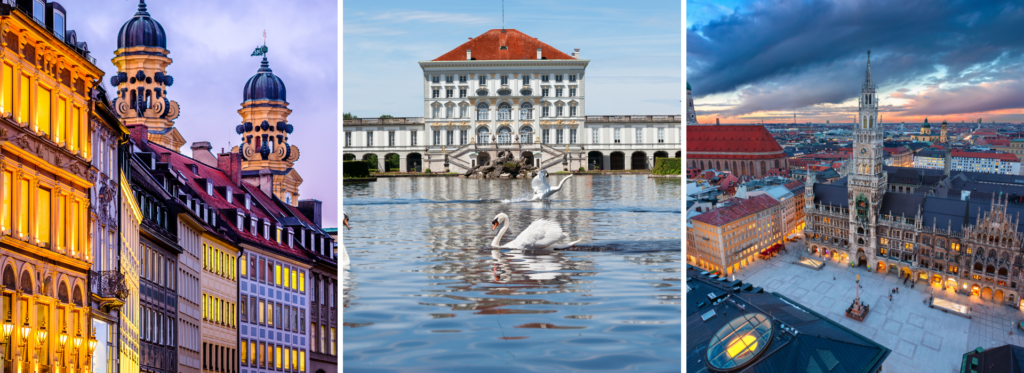
Munich offers a high standard of living and a higher price tag.
- Home to top universities like LMU and TUM
- Strong ties to industries like engineering and automotive
- Clean, safe, and highly organized
Best for: STEM students and those targeting top-tier institutions.
Hamburg
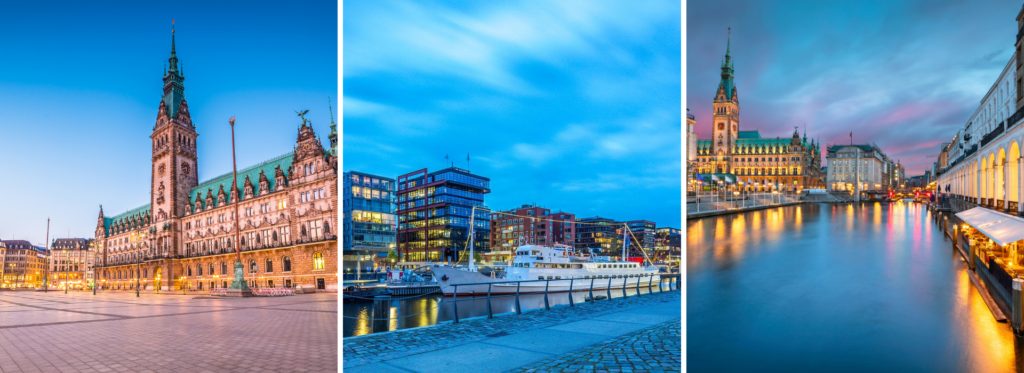
A major port city with a strong economy and international feel.
- Excellent for logistics, media, and business
- High quality of life
- Access to water and green space
Best for: Business and communications students.
Frankfurt

Germany’s financial hub.
- Headquarters for major banks and the European Central Bank
- Excellent internship opportunities
- Highly international environment
Best for: Finance, economics, and business students.
Cologne
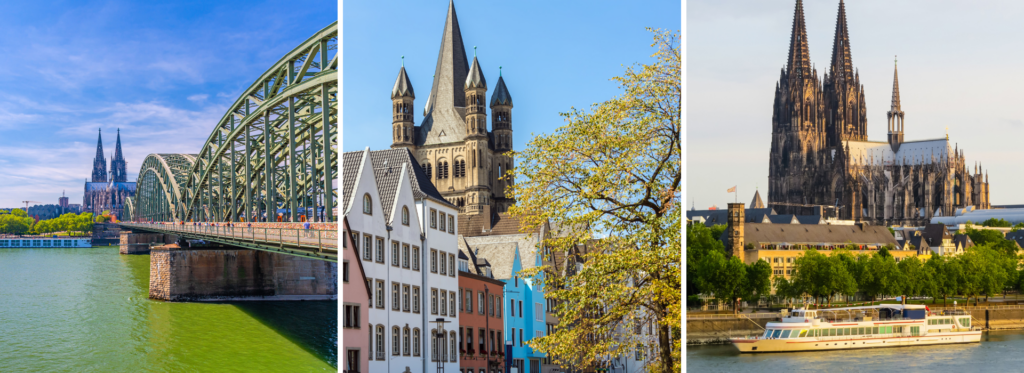
Known for its welcoming atmosphere and strong cultural scene.
- Lower cost of living than Munich or Frankfurt
- Vibrant student life
- Strong media and arts programs
Best for: Students who want balance and community.
Stuttgart
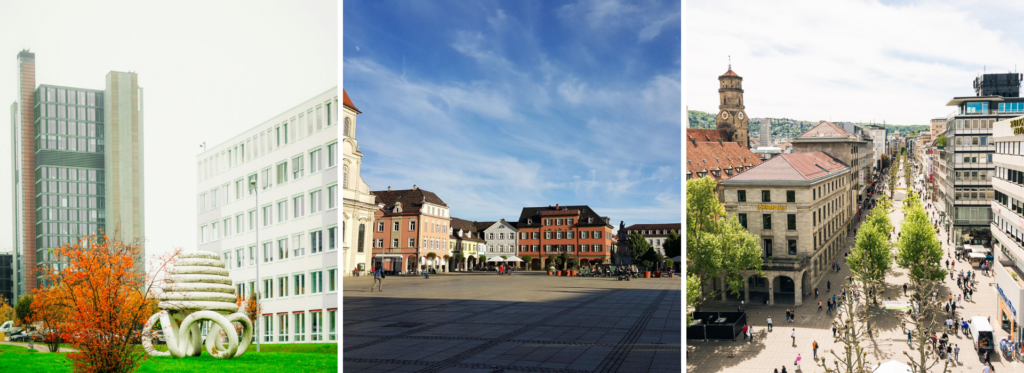
An industrial powerhouse.
- Home to companies like Mercedes-Benz and Porsche
- Strong engineering programs
- High employment prospects
Best for: Engineering and automotive-focused students.
Leipzig
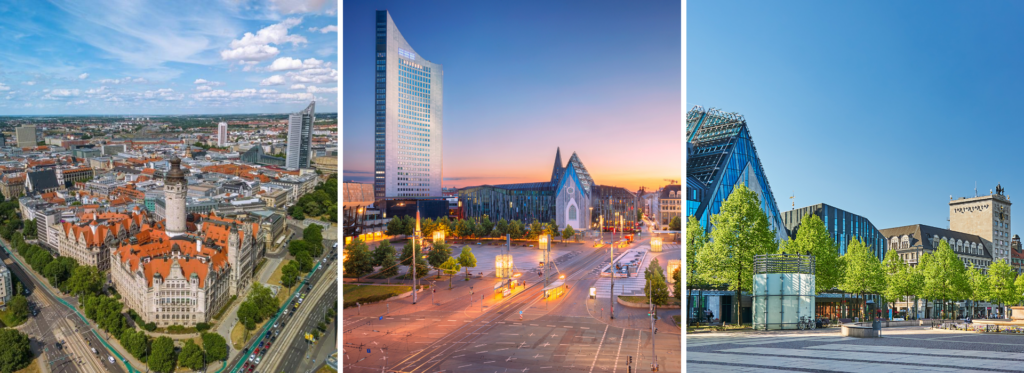
One of Germany’s fastest-growing student cities.
- Very affordable
- Creative and youthful energy
- Growing job market
Best for: Budget-conscious students seeking a vibrant environment.
Heidelberg
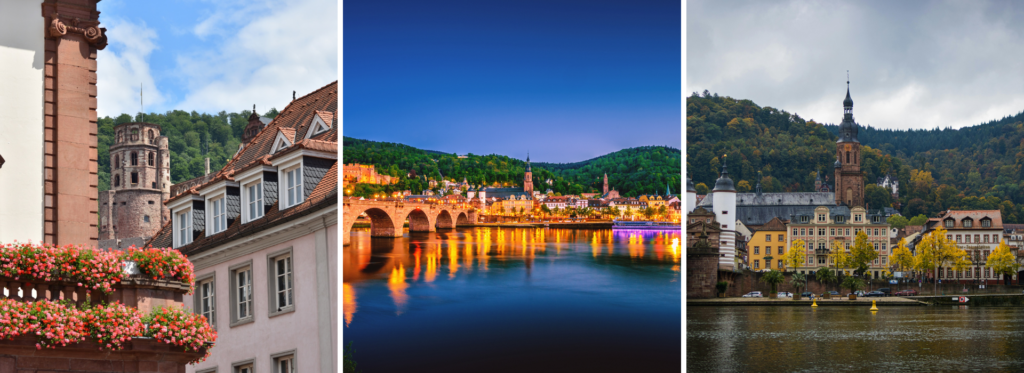
A classic university town.
- Germany’s oldest university
- Beautiful, historic setting
- Strong academic reputation
Best for: Students prioritizing academics and atmosphere.
Dresden

Combines affordability with strong academic institutions.
- Lower cost of living
- Excellent engineering programs
- Rich cultural history
Best for: STEM students on a budget.
Aachen

A hidden gem near the borders of Belgium and the Netherlands.
- Home to RWTH Aachen, one of Europe’s top technical universities
- Strong international community
- Strategic location for travel and internships
Best for: Engineering and cross-border career opportunities.

Cost of Living in Germany
Germany is not “cheap,” but it is significantly more manageable than major U.S. cities especially when tuition is minimal.
Average Monthly Student Costs
| Expense Category | Estimated Cost (USD) |
|---|---|
| Rent | $400–$900 |
| Food | $250–$400 |
| Health Insurance | $120–$150 |
| Transportation | $50–$100 |
| Miscellaneous | $150–$300 |
| Total | $970–$1,850 |
Costs vary by city. Munich and Frankfurt sit at the high end. Leipzig and Dresden are far more affordable.
And this changes the equation. Even with living expenses, total annual cost can still be lower than tuition alone at many U.S. universities.



Admission Requirements for International Students
Germany’s admissions system is one of the clearest in Europe. But “straightforward” doesn’t mean effortless. You need to understand how your U.S. credentials translate and where gaps can happen.
Here’s what that means in practice.
1. High School Diploma Equivalency (Abitur Requirement)
German universities evaluate whether your U.S. high school diploma is equivalent to the German Abitur.
In many cases, a standard U.S. diploma alone is not enough for direct admission.
You typically need one of the following:
- AP exams (Advanced Placement) in specific subjects
- IB Diploma (International Baccalaureate)
- Completion of one year at a U.S. college/university
- Or attendance at a Studienkolleg (foundation year in Germany)
Example:
- A student applying for engineering may need AP Calculus and a science AP (like Physics or Chemistry)
This is important. Requirements are program-specific, not just general admission.
2. Subject-Specific Requirements
German universities don’t admit students as broadly as U.S. schools. You apply directly into a specific major, and you must already meet the academic background.
For example:
- Engineering → Math + Physics required
- Business/Economics → Strong math background
- Psychology → Often requires biology or statistics
- Computer Science → Math is critical
No flexibility here. You can’t apply “undecided” and figure it out later.
3. English Language Proficiency
For English-taught programs, you’ll need proof of proficiency unless you meet exemptions.
Common tests:
- TOEFL (typically 80–100 iBT)
- IELTS (usually 6.0–7.0)
Some universities waive this if:
- You attended an English-speaking school for several years
- You completed certain U.S.-based curricula
But don’t assume. Always verify with each program.
4. Application Platforms
Applications are usually submitted through:
- uni-assist (centralized evaluation service)
- Directly through the university portal
uni-assist evaluates whether your qualifications meet German standards before forwarding your application.
This adds a layer of structure but also a timeline consideration.
5. What You Don’t Need
This is where Germany stands out.
You typically do NOT need:
- Personal essays
- Letters of recommendation
- Extracurricular lists
- Interviews
Now here’s the twist. This removes subjectivity but it also removes second chances. If you don’t meet the academic criteria, there’s no narrative to compensate.
Student Visa for Germany
Once admitted, the next step is securing your student visa. The process is manageable but timing and documentation matter.
Step-by-Step Overview
- Receive official admission letter
- Open a blocked account (Finanzierungsnachweis)
- Schedule visa appointment at German consulate
- Submit documents and attend interview
- Enter Germany and convert visa into residence permit
Key Visa Requirements
Proof of Financial Resources (~€11,000/year)
Germany requires proof that you can support yourself.
Most students use a blocked account (Sperrkonto):
- Deposit ~€11,208 (as of recent guidelines)
- Withdraw a fixed monthly amount (~€934/month)
Alternative options:
- Scholarship funding
- Formal sponsorship (less common)
This is important. You don’t “spend” all of this upfront it’s your living budget for the year.
Health Insurance
Mandatory for all students.
Options include:
- Public German student insurance (~€120/month)
- Private insurance (sometimes required for older students)
No insurance = no enrollment.
Processing Timeline
- Visa appointments can take weeks to schedule
- Processing time: 4–12 weeks
Start early. Ideally, 3–4 months before your program begins.
Career Opportunities in Germany
Germany isn’t just a place to study it’s a place to build a career.
Strong Job Market for Graduates
Germany has ongoing demand in:
- Engineering (mechanical, automotive, electrical)
- IT and software development
- Business, finance, and logistics
- Healthcare and life sciences
Major employers include global companies like BMW, Siemens, SAP, and Bosch.
Post-Study Work Visa (18 Months)
After graduation, you can stay in Germany for up to 18 months to find a job related to your degree.
During this time:
- You can work full-time
- You are not restricted to student work limits
- You can transition to a long-term work visa once employed
Long-Term Career Pathways
Once employed:
- You may qualify for an EU Blue Card
- Pathway to permanent residency in a few years
- Option to stay long-term in Germany or move within the EU
And this changes the equation. Your degree becomes a direct gateway into the European job market not just a credential.
Internships and Industry Integration
Many German programs especially at Universities of Applied Sciences include:
- Mandatory internships
- Industry partnerships
- Practical training semesters
This is a major advantage over more theoretical systems.
Tips for Choosing the Right City
Choosing a city isn’t just about preference. It affects your cost, experience, and career access.
Let’s break this down further.
1. Budget Reality Check
City costs vary widely:
- High cost: Munich, Frankfurt, Stuttgart
- Moderate: Hamburg, Cologne, Heidelberg
- Lower cost: Leipzig, Dresden, Aachen
Ask yourself:
- Can you afford rent without stress?
- Will you need part-time work?
2. Academic Fit Comes First
Not every university offers every program in English.
Before choosing a city:
- Confirm your program exists
- Verify admission requirements
- Check start dates (many begin in winter semester only)
This is important. Students often pick a city first and then struggle to find a matching program.
3. Career Alignment
Think beyond your degree.
- Want finance? → Frankfurt
- Engineering? → Munich, Stuttgart, Aachen
- Startups/tech? → Berlin
- Creative fields? → Berlin, Leipzig, Cologne
Proximity to industry can directly impact internships and job offers.
4. Lifestyle Preferences
Be honest about your environment.
- Big city energy → Berlin, Hamburg
- Structured and polished → Munich
- Student town feel → Heidelberg, Aachen
- Emerging and affordable → Leipzig
5. Language Environment
Even in English-taught programs, daily life varies:
- Larger cities → More English-friendly
- Smaller towns → More German needed
Here’s what that means. You can study in English but learning basic German will still improve your experience significantly.
Who Is This a Good Fit For?
Germany is a strong option if you are:
- Academically prepared and comfortable with structured systems
- Looking to reduce college costs significantly
- Interested in international experience beyond a semester abroad
- Open to living independently in a new country
- Focused on career outcomes, especially in STEM or business
Common Misconceptions
“Degrees from Germany aren’t recognized in the U.S.”
They are. German universities are globally respected and accredited.
“You need to speak German.”
Many full degree programs are taught entirely in English.
“It’s too complicated to apply.”
Compared to the U.S., the process is often simpler and more transparent.
“Student life will feel isolating.”
Major cities and universities have large international communities.
Frequently Asked Questions
We’re here to help answer your questions about Best Places to Live in Germany
Berlin is often the top choice due to affordability, diversity, and program availability. Munich is ideal for academics and career connections but comes at a higher cost.
Yes. Germany is considered one of the safest countries in Europe, with strong public infrastructure and healthcare.
Yes. International students can work up to 120 full days or 240 half days per year.
Most students should budget $12,000–$22,000 per year including living expenses.
Yes. There are hundreds of fully English-taught bachelor’s programs, especially in business, engineering, and social sciences.
Conclusion
Germany offers something rare: high-quality, accredited education at a cost that makes sense. Combined with strong career pathways and diverse cities, it’s one of the most practical options for U.S. students willing to think beyond the traditional path.
At Beyond The States, we focus exclusively on helping students find and apply to full degree programs abroad not semester experiences. We research, vet, and simplify the process so families can make informed decisions.
If you’re curious about whether Germany or another European country could be the right fit, start by exploring your options, book a strategy session or, if you want a more guided path, you can learn more about our Platinum Admissions support.
The right option is out there. You just need a clearer path to find it.