Top Cities in Europe for Nightlife
Europe’s vibrant nightlife scene offers an array of exciting experiences for party enthusiasts. From pulsating clubs to cozy bars, the continent boasts numerous cities that come alive after dark. The best cities in Europe for nightlife include Berlin, Amsterdam, Barcelona, and Ibiza, each offering unique and unforgettable experiences.

These destinations cater to diverse tastes and preferences. Berlin is renowned for its underground techno clubs, while Amsterdam’s canal-side bars provide a more relaxed atmosphere. Barcelona’s beachfront clubs offer a perfect blend of Mediterranean charm and energetic parties. Ibiza, often called the “party capital of the world,” is synonymous with world-class DJs and all-night dance parties.
Choosing the right European city for nightlife depends on individual preferences. Some travelers seek cutting-edge electronic music scenes, while others prefer laid-back pub crawls or sophisticated cocktail bars. Each city offers a unique flavor, from Madrid’s vibrant La Latina district to London’s eclectic mix of venues. Whether it’s dancing until dawn or enjoying a quiet evening drink, Europe’s best nightlife cities have something for everyone.
Summary
Top Nightlife Destinations in Europe
Europe boasts vibrant cities renowned for their electrifying nightlife scenes. From pulsating clubs to chic bars, these destinations offer unforgettable experiences for party-goers and night owls alike.
1. Ibiza, Spain
Party Capital of Europe

Ibiza reigns supreme as the party capital of the world. This Mediterranean island pulsates with energy, drawing world-class DJs and partygoers from across the globe.
The island’s mega-clubs like Pacha, Amnesia, and Ushuaïa host epic all-night parties. Revelers dance until sunrise to electronic beats and house music.
Ibiza’s beach clubs offer a more relaxed vibe during the day. Visitors can sip cocktails and enjoy music by the sea.
The island’s party season peaks from June to September, but nightlife continues year-round. Ibiza Town and San Antonio are the main hubs for clubs and bars.
2. Berlin, Germany
Techno and Clubbing Hub
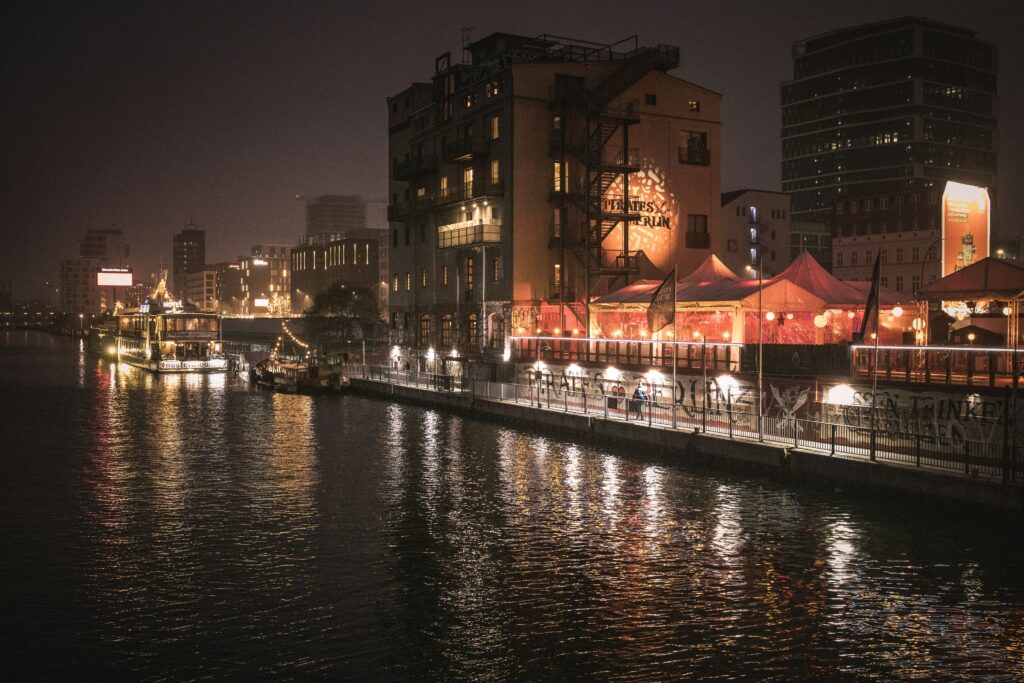
Berlin’s nightlife scene is legendary, particularly for techno enthusiasts. The city’s clubs are known for their marathon parties, often lasting entire weekends.
Berghain, housed in a former power plant, is Berlin’s most famous club. Its strict door policy and world-class sound system contribute to its mythical status.
Other notable venues include Tresor, Watergate, and KitKatClub. Each offers unique experiences, from industrial techno to more eclectic music styles.
Berlin’s nightlife isn’t confined to weekends. Many clubs operate round-the-clock, catering to night owls any day of the week.
The city’s abandoned buildings and warehouses often transform into pop-up party venues, adding to Berlin’s edgy nightlife reputation.
3. Amsterdam, Netherlands
A Blend of Culture and Nightlife
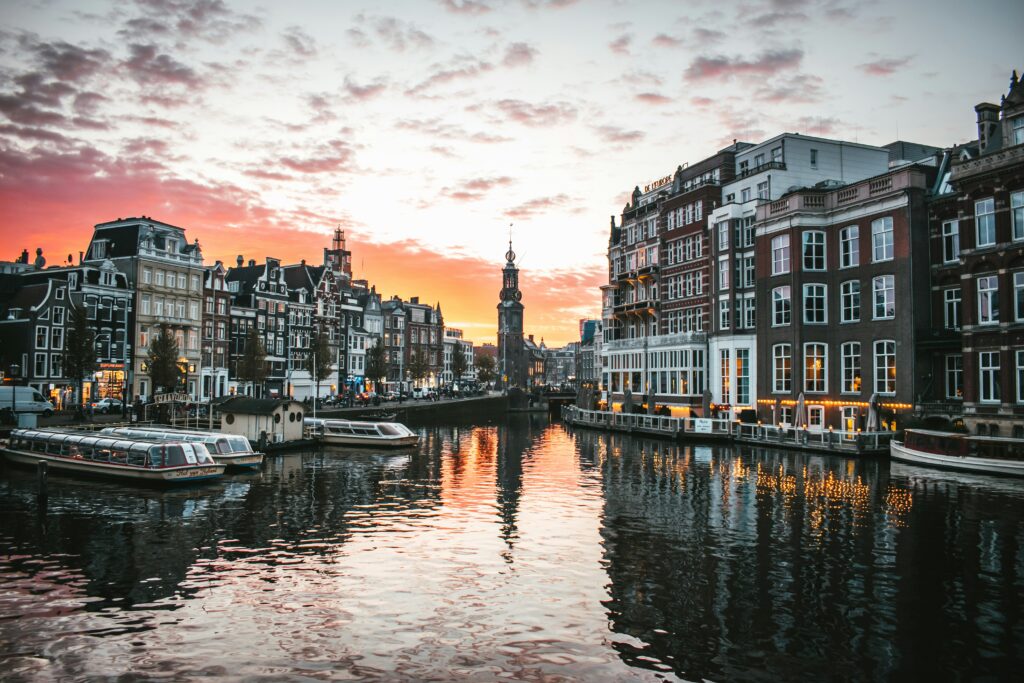
Amsterdam offers a diverse nightlife scene, combining canals and celebrations. The city’s compact layout makes bar-hopping easy and enjoyable.
Leidseplein and Rembrandtplein squares are hotspots for bars and clubs. Venues like Paradiso and Melkweg host live music performances across various genres.
Amsterdam’s famous coffee shops provide a unique nightlife experience. These establishments serve cannabis products in a relaxed atmosphere.
The Red Light District, while controversial, is part of Amsterdam’s nighttime allure. It’s home to numerous bars and adult entertainment venues.
For a classier night out, the Jordaan neighborhood offers cozy brown cafés and wine bars. These spots provide a more intimate setting for evening drinks.
4. Prague, Czech Republic
Diverse Nightlife Scenes
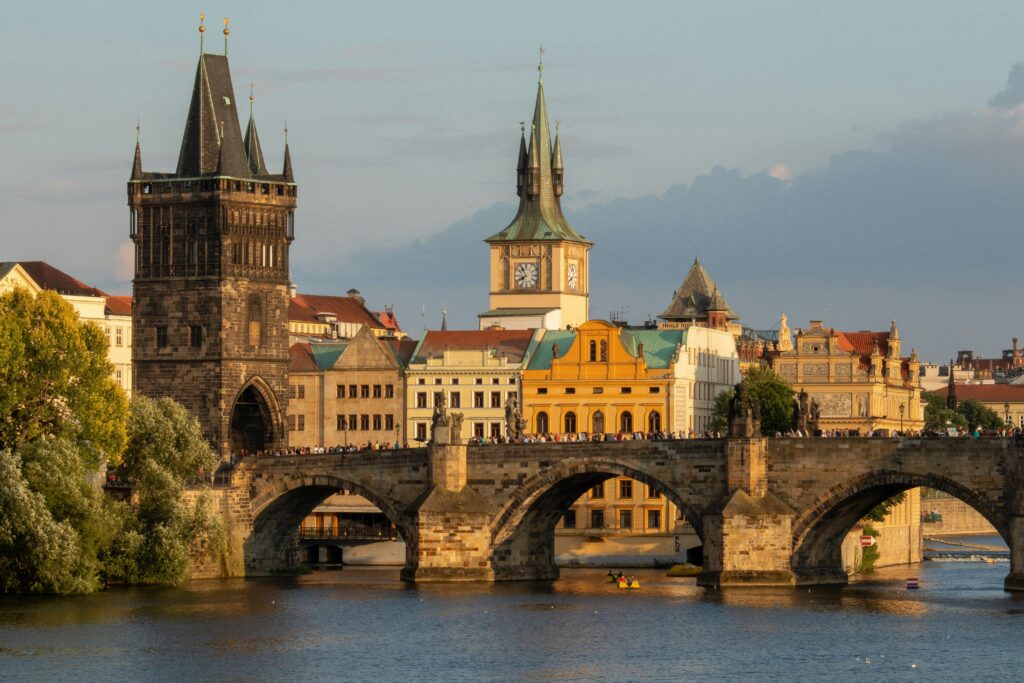
Prague’s nightlife caters to all tastes, from rowdy pub crawls to sophisticated cocktail bars. The city’s affordable drinks make it popular among budget-conscious travelers.
Karlovy Lázně, a five-story club near Charles Bridge, claims to be the largest in Central Europe. Each floor offers a different music genre.
For a uniquely Czech experience, beer gardens like Letná Beer Garden offer stunning city views alongside local brews.
Prague’s jazz scene thrives in venues like Jazz Dock and Reduta Jazz Club. These spots showcase both local and international talent.
The city’s underground electronic music scene is growing, with clubs like Cross Club and Roxy hosting DJ sets and live performances.
5. Barcelona, Spain
Mediterranean Night Vibes
Barcelona’s nightlife embodies the city’s vibrant, cosmopolitan spirit. The warm Mediterranean climate encourages outdoor socializing well into the night.
Las Ramblas, the city’s main thoroughfare, is lined with bars and cafes. It’s an ideal starting point for a night out.
El Born and Gràcia neighborhoods offer trendy cocktail bars and local tapas spots. These areas attract a mix of locals and tourists.
Beach clubs like Opium and Pacha provide seaside partying during summer months. Revelers can dance with their feet in the sand.
For electronic music fans, Razzmatazz is a must-visit. This multi-room venue hosts both international DJs and live acts.
Barcelona’s nightlife often starts late, with many clubs not getting busy until after midnight.
6. London, England
Legendary Pubs and Clubs
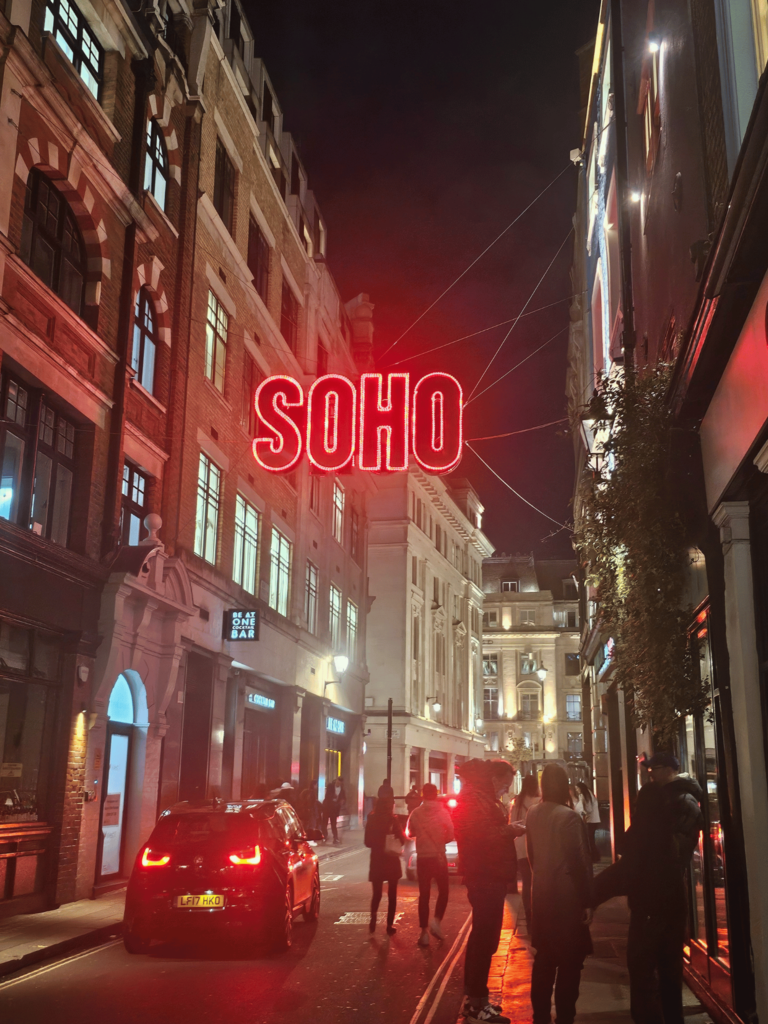
London’s nightlife scene is as diverse as the city itself. From traditional pubs to cutting-edge clubs, the British capital caters to all tastes.
Iconic clubs like Fabric and Ministry of Sound have shaped the global electronic music scene. They continue to attract top DJs and music enthusiasts.
Shoreditch and Camden offer trendy bars and live music venues. These areas are popular among the city’s creative crowd.
London’s pub culture is an essential part of its nightlife. Historic pubs like The George Inn provide a glimpse into the city’s drinking traditions.
For a touch of glamour, exclusive clubs in Mayfair and Chelsea attract celebrities and high-rollers. These venues often require membership or advance reservations.
7. Paris, France
Chic Bars and Iconic Clubs
Paris combines sophistication with vibrant nightlife. The city’s bars and clubs reflect its reputation for style and romance.
Le Marais district is known for its trendy bars and nightlife spots. This area is particularly popular among the LGBTQ+ community.
Iconic clubs like Rex Club and Concrete attract electronic music fans. These venues host both local and international DJs.
For a glamorous night out, clubs near the Champs-Élysées offer upscale experiences. Be prepared for strict dress codes and potential guest lists.
Pigalle, once the city’s red-light district, now boasts a range of cocktail bars and live music venues. It’s a favorite spot for Parisian night owls.
Seine river cruises provide a unique way to experience Paris by night, combining sightseeing with drinks and dancing.
Understanding European Nightlife Culture
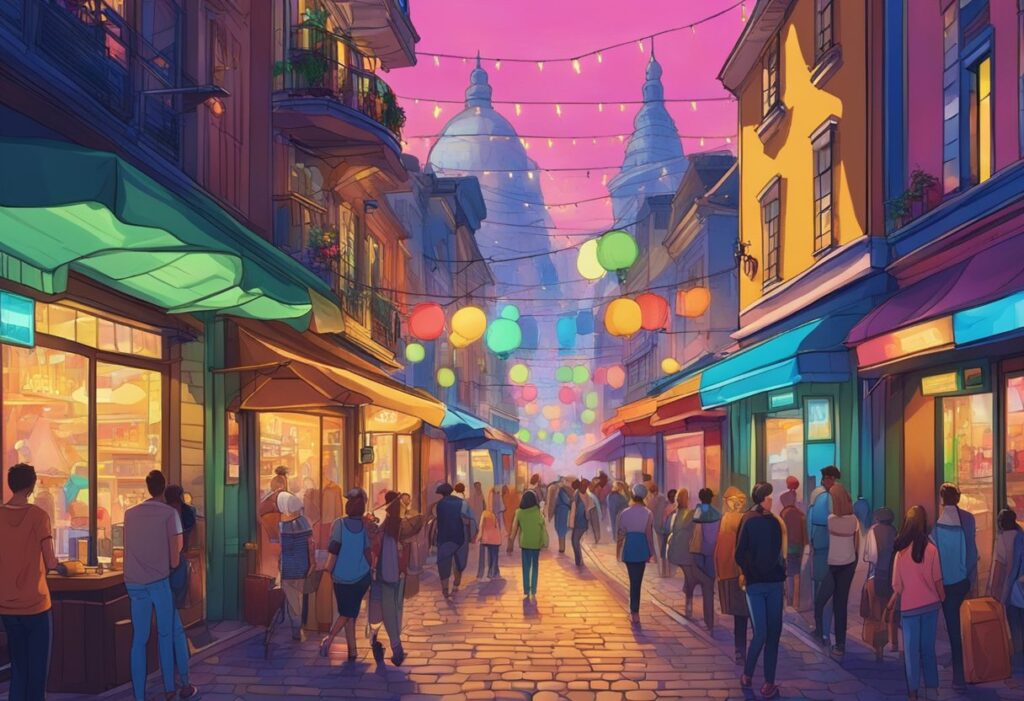
European nightlife is diverse and vibrant, reflecting unique local traditions and modern influences. From historic venues to cutting-edge clubs, the continent offers a rich tapestry of nocturnal experiences for party-goers and music lovers alike.
Local Traditions and the Party Scene
European cities have distinct party cultures shaped by history and local customs. In Spain, nightlife starts late, with clubs often not filling up until after midnight. Revelers might enjoy tapas and drinks at bars before hitting the dancefloor.
German cities like Berlin are known for their techno scene and all-night parties. Many clubs open on Friday and don’t close until Monday morning.
In Mediterranean countries, beachside parties and outdoor venues are popular during summer months. Greece’s islands host famous beach parties with international DJs.
Eastern European cities offer a mix of traditional pubs and modern nightclubs. Prague’s beer gardens provide a more relaxed atmosphere for socializing.
Ruin Bars of Budapest and Beyond
Budapest’s ruin bars have become iconic in European nightlife. These bars occupy abandoned buildings, creating unique, eclectic spaces filled with mismatched furniture and quirky decor.
Szimpla Kert, one of the first ruin bars, set the trend in Budapest’s Jewish Quarter. The concept has spread to other cities, with similar venues popping up in Berlin and Warsaw.
Ruin bars often feature live music, art exhibitions, and film screenings. They attract a diverse crowd of locals and tourists, offering an alternative to mainstream clubs.
Some ruin bars have expanded to include open-air cinema spaces and farmers’ markets, becoming cultural hubs beyond just nightlife.
Jazz and Live Music Venues
Europe boasts a rich jazz tradition, with numerous venues dedicated to this genre. Paris’ Le Caveau de la Huchette, operating since 1946, is a historic jazz club in the Latin Quarter.
London’s Ronnie Scott’s Jazz Club has hosted legends like Miles Davis and Ella Fitzgerald. In Amsterdam, the Bimhuis is renowned for its contemporary jazz and improvised music performances.
Many European cities have thriving indie music scenes. Small venues and bars often showcase local talent and up-and-coming artists.
Classical music remains popular, with opera houses and concert halls offering evening performances in cities like Vienna and Milan.
Festivals and Seasonal Events
Europe’s festival calendar is packed with events celebrating music, culture, and nightlife. Glastonbury in the UK and Tomorrowland in Belgium are among the continent’s largest music festivals.
Berlin’s Love Parade was a legendary electronic music festival that attracted millions of attendees at its peak.
Many cities host summer festivals combining music, art, and food. Barcelona’s Sónar festival showcases electronic and experimental music alongside digital art installations.
Winter brings holiday markets and New Year’s Eve celebrations. Edinburgh’s Hogmanay is a multi-day festival culminating in a massive street party on December 31st.
Some festivals focus on specific genres, like jazz festivals in Montreux and North Sea Jazz in Rotterdam.
Unique Nightlife Experiences
Europe offers diverse and unforgettable nightlife experiences. From sun-soaked beach parties to historic old town revelry and underground venues, the continent caters to all tastes and preferences.
Beach Bars and Clubs on Mediterranean Shores
Mediterranean beaches transform into vibrant party hubs as the sun sets. Ibiza stands out as a premier destination, with its white sand beaches hosting epic fiestas and beach clubs.
Beach bars offer refreshing cocktails and stunning coastal views. Many feature live DJs spinning electronic music late into the night.
Playa d’en Bossa in Ibiza is home to some of Europe’s most famous beach clubs. These venues combine daytime relaxation with nighttime revelry, often featuring international DJs and performers.
Croatia’s Zrće Beach on Pag Island has earned a reputation as the “Ibiza of Croatia.” Its beachfront clubs host foam parties and all-night dance events during peak summer months.
Historical Old Towns at Night
Europe’s historic city centers take on a magical atmosphere after dark. Cobblestone streets and centuries-old architecture create unique backdrops for nightlife adventures.
Prague’s Old Town comes alive at night with bustling pubs and bars. The city’s famous astronomical clock serves as a meeting point for revelers starting their evenings.
Krakow’s Main Market Square transforms into a lively hub of outdoor cafes and bars. Street performers and musicians add to the festive atmosphere.
Tallinn’s medieval Old Town offers a mix of traditional taverns and modern cocktail bars. Its well-preserved city walls and towers create a fairytale-like setting for night owls.
Underground Clubs and Secret Venues
Europe’s nightlife scene extends beyond mainstream venues to hidden underground spots and secret locations.
Budapest’s ruin bars occupy abandoned buildings, offering eclectic decor and unique atmospheres. Szimpla Kert, the original ruin bar, features multiple rooms with diverse themes and music styles.
Berlin is renowned for its techno clubs housed in industrial spaces. Berghain, located in a former power plant, is famous for its strict door policy and marathon-length parties.
London’s speakeasy-style bars provide intimate, hidden nightlife experiences. These venues often require passwords or discrete entrances, adding an element of exclusivity and mystery.
Paris hosts secret parties in unexpected locations like abandoned metro stations or rooftops. These pop-up events offer one-of-a-kind experiences for those in the know.
Going Beyond the Parties: Nightlife for Music Lovers
Europe’s nightlife offers more than just parties. Music enthusiasts can discover a wide range of venues and scenes catering to diverse tastes, from electronic beats to soulful jazz and captivating live performances.
Best Venues for Electronic and House Music
Berlin stands out as a mecca for electronic and house music lovers. The city’s legendary Berghain club attracts world-class DJs and devoted fans. Its notoriously selective door policy adds to its mystique.
Ibiza, Spain’s party island, boasts iconic venues like Pacha and Amnesia. These clubs host top international DJs and offer unforgettable nights of pulsating beats and energetic crowds.
London’s Fabric and Amsterdam’s Melkweg are also must-visit spots for electronic music fans. These venues consistently deliver cutting-edge sounds and immersive experiences.
Rich Jazz Scenes in the Heart of Europe
Paris exudes jazz from its very pores. The city’s historic clubs like Le Caveau de la Huchette transport visitors to the golden age of jazz. Live performances in intimate settings create an authentic atmosphere.
Copenhagen’s jazz scene thrives in cozy venues like La Fontaine and Jazzhus Montmartre. These clubs have hosted jazz legends and continue to nurture emerging talents.
Vienna’s Porgy & Bess jazz club offers a diverse program of local and international artists. The venue’s commitment to quality music makes it a favorite among jazz aficionados.
Live Performances and Cultural Shows
Prague’s nightlife goes beyond clubs with its vibrant classical music scene. The Rudolfinum and Municipal House host world-class orchestras and soloists in stunning architectural settings.
Budapest’s ruin bars offer unique spaces for live performances. Szimpla Kert, the original ruin bar, features an eclectic mix of local bands and cultural events.
Edinburgh comes alive during its famous Fringe Festival. The city’s venues host a wide array of performances, from comedy to experimental theater, appealing to diverse artistic tastes.
Nightlife Planning: Tips and Advice
Planning a nightlife adventure in Europe requires thoughtful preparation. Consider the timing of your visit, local regulations, and logistical arrangements to ensure a smooth and enjoyable experience.
Best Time to Visit Europe for Nightlife Exploration
Summer is the peak season for European nightlife. Many cities host outdoor festivals and events during June to August. Ibiza’s club season runs from May to October, with July and August being the busiest months.
Spring and fall offer milder weather and fewer crowds. Cities like Berlin and Amsterdam have year-round nightlife scenes. Winter can be ideal for festive New Year’s Eve celebrations in major European capitals.
Check event calendars for special parties or music festivals. These often attract international DJs and performers, enhancing the nightlife experience.
Safety and Local Regulations
Research local laws and customs before your trip. Drinking age limits vary across Europe, typically ranging from 16 to 18 years old. Some cities have strict noise regulations or curfews for bars and clubs.
Carry a photocopy of your passport for identification. Keep valuables secure and be aware of pickpockets in crowded areas.
Use licensed taxis or reputable ride-sharing services for late-night transportation. Many European cities have excellent night bus services.
Stay in groups when possible and inform someone of your plans. Learn a few key phrases in the local language for emergencies.
Transportation and Hotels
Book accommodations near nightlife districts to minimize travel time. Many European cities have areas known for their concentration of bars and clubs.
Consider hostels or party hotels for a social atmosphere and potential nightlife companions. These often organize pub crawls or group outings.
Public transportation in major cities like Berlin often runs 24/7 on weekends. Night buses or metro services are common in other cities.
Pre-book taxis for busy nights or areas with limited public transport. Some cities offer nightlife passes that include public transportation and club entry.
Research parking options if driving, as many European city centers have limited or expensive parking. Ridesharing services are widely available in most urban areas.
Food and Drink Pairings
Europe’s vibrant nightlife cities offer exceptional foodie scenes, from local pubs to epic rooftop bars. Visitors can find unique food and drink pairings that showcase each destination’s culinary heritage.
Late Night Food Experiences in Party Cities
Barcelona’s tapas bars serve small plates paired with local wines. Patatas bravas and cava make a popular combination. In Berlin, currywurst stands offer spicy sausages best enjoyed with a cold German beer.
Amsterdam’s foodie scene features Indonesian rijsttafel paired with jenever, a Dutch gin. Greek meze platters in Athens complement ouzo or retsina wine.
Paris excels in wine pairings. Fromage plates match perfectly with regional wines. Late-night crêperies serve sweet and savory options alongside hard cider.
Pubs and Breweries: Europe’s Top Beer Capitals
Prague boasts centuries-old beer halls serving hearty Czech cuisine. Pair goulash or svíčková with a crisp Pilsner Urquell at a very affordable price compared to the U.S..
Munich’s biergartens offer pretzels, obatzda cheese spread, and weisswurst with wheat beers. During Oktoberfest (one of our favorite times to visit), enjoy roast chicken with Märzen lagers.
Dublin pubs serve fish and chips or beef and Guinness pie alongside creamy stouts. Sample Irish whiskeys with traditional boxty potato pancakes.
Brussels highlights Belgian beer culture. Try moules-frites with Trappist ales or carbonnades flamandes beef stew with Flemish red ales.
Rooftop Bars and Their Panoramic Views
London’s Sky Garden pairs British gin cocktails with upscale bar snacks. Enjoy Cumberland sausage rolls or smoked salmon blinis while overlooking the Thames.
Rome’s rooftop bars serve aperitivo spreads. Sip Aperol spritzes or Negronis with bruschetta and charcuterie boards as the sun sets over ancient ruins.
Istanbul’s terrace lounges offer mezze platters and raki, an anise-flavored spirit. Sample börek pastries and Turkish wines while admiring Bosphorus views.
Budapest’s ruin bars transform into rooftop hangouts in summer. Try Hungarian wines with lángos fried bread or goulash soup under starry skies.
Frequently Asked Questions
Europe offers diverse nightlife experiences across its cities, catering to different preferences and budgets. From year-round party hubs to seasonal hotspots, the continent has something for every type of nightlife enthusiast.