Best Colleges to Study Abroad in Europe
A four-year degree in the U.S. can cost more than $200,000. Admissions decisions are often unpredictable, even for strong students. Families are left balancing rising costs with limited clarity on outcomes.
Here’s what most families don’t realize.
You can earn a fully accredited bachelor’s degree in Europe, often taught in English, at a significantly lower cost. These are not exchange programs or short-term study abroad experiences. They are full degrees, recognized globally completed entirely at European universities. And admissions are often based on clear academic criteria, not subjective factors.
Now here’s the part that matters.
For U.S. students, this creates a different path: high-quality universities, lower tuition, and a more straightforward admissions process.
Summary
Why Study in Europe?
Europe has become one of the most practical Europe study destinations for American students seeking affordability, academic rigor, and global mobility.
Key reasons students choose Europe:
- Lower tuition (often €0–€6,000/year at public universities)
- High global rankings across multiple countries
- Clear, merit-based admissions in many systems
- English-taught degree programs increasing every year
- Strong pathways into graduate school and international careers
Unlike the U.S. admissions system, many European universities evaluate students primarily on academics and subject fit rather than holistic profiles.
This is important. It means your academic record matters more than extracurricular strategy.

Top 10 Best Colleges to Study Abroad in Europe
These institutions represent a mix of globally elite universities and highly accessible public institutions offering English-taught degrees across top universities Europe students consistently target.
1. University of Oxford (United Kingdom)

Oxford is one of the most academically demanding universities in the world, known for its tutorial-based teaching system and extremely rigorous admissions process. It attracts top-performing students globally across humanities, sciences, and professional fields.
- Tuition Range: $40,000–$60,000/year (international students)
- Programs (in English): PPE, Law, Medicine, Engineering, Humanities, Sciences
- Language of Instruction: English
- Acceptance rate: ~16% (varies by program; highly competitive overall)
- Why it matters?: Oxford represents one of the highest academic benchmarks globally, with unmatched prestige and research influence.
2. University of Cambridge (United Kingdom)
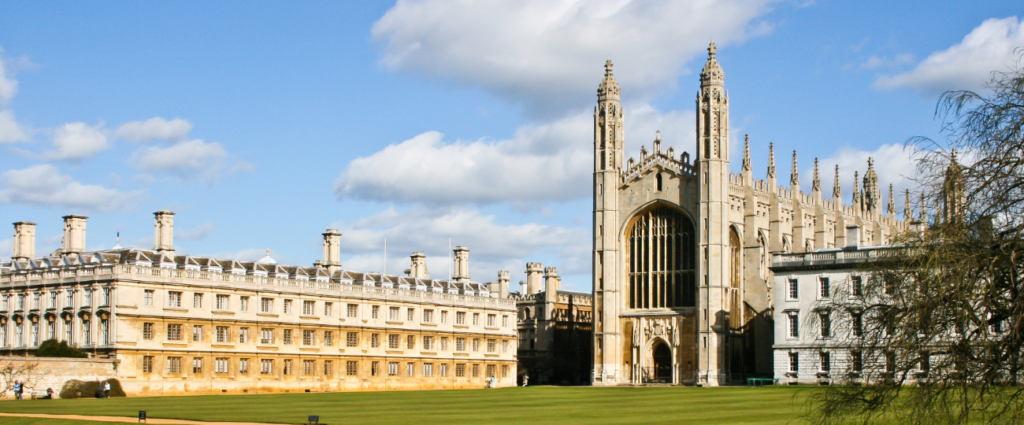
Cambridge combines deep academic tradition with cutting-edge research output. It is especially known for STEM, mathematics, and scientific research leadership.
- Tuition Range: $35,000–$58,000/year
- Programs (in English): Engineering, Natural Sciences, Mathematics, Economics, Computer Science
- Language of Instruction: English
- Acceptance rate: ~21% (varies significantly by college and subject)
- Why it matters?: Cambridge offers one of the most structured and academically intensive undergraduate experiences in Europe.
3. ETH Zurich (Switzerland)

ETH Zurich is a top-tier technical university consistently ranked among the world’s best for engineering and technology disciplines. It has a strong research-to-industry pipeline.
- Tuition Range: ~$1,500–$3,000/year
- Programs (in English): Computer Science (Master’s), Engineering, Physics, Mathematics
- Language of Instruction: German (Bachelor’s), English (many Master’s programs)
- Acceptance rate: ~27% (varies by program; more selective in STEM fields)
- Why it matters?: ETH offers elite STEM education at a fraction of U.S. engineering school costs.
4. University of Amsterdam (Netherlands)

A major international university with a strong emphasis on social sciences, humanities, and business. It is one of the most popular entry points for U.S. students in the Netherlands.
- Tuition Range: $9,000–$18,000/year
- Programs (in English): Psychology, Economics, Business, Political Science, Media Studies
- Language of Instruction: English
- Acceptance rate: ~50–60% (varies widely by program)
- Why it matters?: Strong English-taught portfolio in one of Europe’s most accessible higher education systems.
5. KU Leuven (Belgium)

KU Leuven is one of Europe’s leading research universities with particularly strong engineering and science faculties. It is widely respected across the EU academic network.
- Tuition Range: ~$1,000–$4,000/year
- Programs (in English): Engineering, Business, Bioscience Engineering, Computer Science
- Language of Instruction: English (many Master’s programs), Dutch (some Bachelor’s)
- Acceptance rate: ~50% (varies by faculty)
- Why it matters?: High-quality research university with extremely strong value in terms of cost vs academic output.
6. Sorbonne University (France)

Sorbonne University blends historic academic prestige with modern research excellence, especially in humanities and sciences.
- Tuition Range: $3,000–$5,000/year
- Programs (in English): Science, Humanities, Medicine (select programs), Mathematics
- Language of Instruction: French (majority), English (select graduate programs)
- Acceptance rate: ~15–20% (selective, varies by program)
- Why it matters?: A top-tier European institution with strong global academic recognition at a low cost.
7. University of Copenhagen (Denmark)

One of the strongest Nordic universities, especially in life sciences, public health, and environmental studies.
- Tuition Range: $12,000–$18,000/year (non-EU students)
- Programs (in English): Public Health, Environmental Science, Biology, Social Sciences (Master’s level)
- Language of Instruction: English (primarily graduate level)
- Acceptance rate: ~40–45%
- Why it matters?: Strong research environment with a focus on sustainability and global challenges.
8. LMU Munich (Germany)
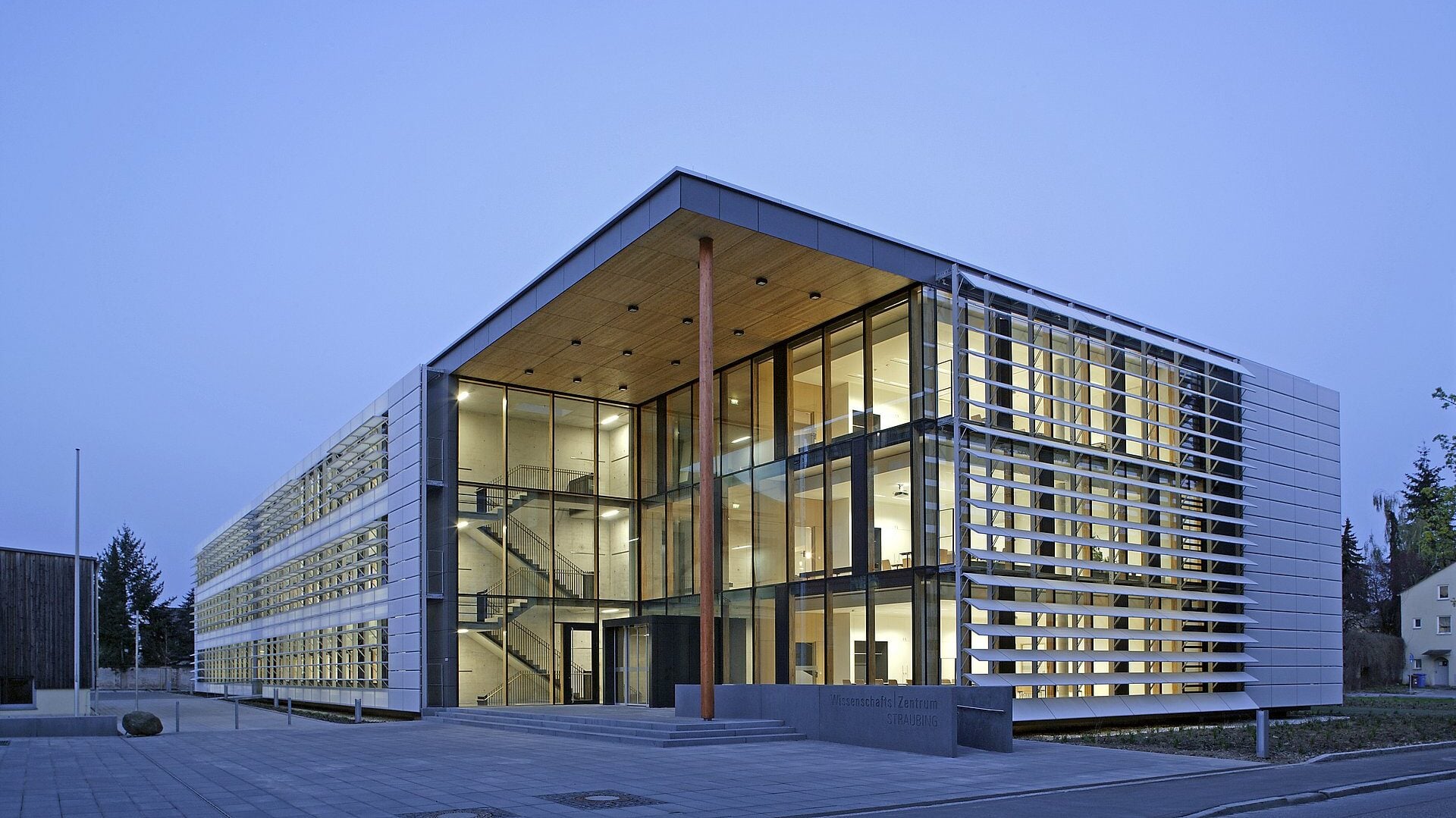
LMU Munich is one of Germany’s flagship research universities with broad academic strengths and strong global reputation.
- Tuition Range: $0–$3,000/year (administrative fees only)
- Programs (in English): Psychology, Data Science, Economics, Physics (select programs)
- Language of Instruction: German (majority), English (select programs)
- Acceptance rate: ~10–15% (program-dependent; highly competitive in some fields)
- Why it matters?: Combines world-class research with extremely low tuition under Germany’s public system.
9. University of Edinburgh (United Kingdom)

A major research university with global recognition across medicine, humanities, and data science.
- Tuition Range: $30,000–$45,000/year
- Programs (in English): Medicine, Informatics, Law, History, AI, Biological Sciences
- Language of Instruction: English
- Acceptance rate: ~40–50% (varies by program competitiveness)
- Why it matters?: Strong balance of academic prestige, research output, and student experience.
10. University of Barcelona (Spain)

One of Spain’s leading public universities with growing international programs and strong regional influence.
- Tuition Range: $2,000–$4,000/year
- Programs (in English): Business, Economics, Humanities (limited English options), Health Sciences
- Language of Instruction: Spanish/Catalan (majority), English (select programs)
- Acceptance rate: ~60–70% (varies by program and demand)
- Why it matters?: Affordable entry into a major European academic system with expanding English-taught offerings.
Discover all the English-taught European college programs in one place.
Beyond the States provides easy access to 12,600+ European bachelor’s and master’s programs across 870 universities, 550 cities, and 212 areas of study, plus all the resources you need to get there.
3400+
English-taught bachelor’s programs in our database.
550
Beautiful European cities to choose from.
$360,170
Typical savings against a private university in the US.
8200+
English-taught master’s programs in our database.
870
Top-tier universities accepting international students.
$65,038
Typical savings against in-state tuition in the US.
Cost of Studying in Europe
One of the biggest advantages of studying at the best colleges to study abroad in Europe is cost transparency.
Typical Annual Tuition
| Country | Tuition Range | Notes |
|---|---|---|
| Germany | $0–$2,000 | Mostly public universities |
| Netherlands | $9,000–$18,000 | Higher for non-EU students |
| France | $3,000–$5,000 | Public universities |
| Switzerland | $1,500–$3,000 | Low tuition, high living costs |
| UK | $15,000–$40,000 | Higher tuition, shorter degrees |
Estimated Living Costs
- Western Europe: $12,000–$20,000/year
- Northern Europe: $14,000–$22,000/year
- Southern Europe: $10,000–$15,000/year
Even at higher-cost destinations like the UK or Netherlands, total annual costs are often comparable to or lower than many U.S. public universities.



Admission Requirements for International Students
Admissions vary by country, but European systems are generally more structured than U.S. holistic review.
Common requirements:
- High school diploma equivalent to national standards
- Strong academic transcript (GPA matters heavily)
- Proof of English proficiency (IELTS/TOEFL if required)
- Program-specific prerequisites (especially STEM fields)
- Personal statement (varies in weight)
Key difference:
European universities usually do not require essays about extracurricular narratives or leadership profiles.
They focus on academic readiness for a specific subject.
Student Visa for Europe
Each country has its own visa system, but common requirements include:
- Proof of university admission
- Proof of financial means
- Health insurance coverage
- Valid passport
Processing times vary from 4–12 weeks depending on the country.
Germany, the Netherlands, and France are among the most streamlined for student visa processes.
Career Opportunities in Europe
Graduating from top study abroad Europe universities can open strong pathways into:
- EU-based tech and engineering roles
- International organizations
- Graduate programs in the U.S. or Europe
- Research and academic careers
Many countries also offer post-study work visas ranging from 1–3 years.
Tips for Choosing the Right College
Choosing among the best colleges Europe has to offer depends on fit, not just ranking.
Consider:
- Language of instruction (not all programs are English-taught)
- Cost of living in the city
- Strength of your intended major
- Post-graduation work rights
- Admission competitiveness
Let’s break this down.
A top-ranked university is not always the best strategic choice. A slightly lower-ranked institution with strong English programs and lower living costs may be a better long-term fit.
Who Is This Path a Good Fit For?
Studying full degrees in Europe works best for students who:
- Want a more affordable degree path
- Are academically consistent
- Prefer structured admissions over holistic U.S. applications
- Are open to living internationally for 3–4 years
- Value academic specialization early
It may not be ideal for students who need highly flexible major exploration or extensive campus sports culture.
Common Myths About Studying in Europe
Myth 1: Degrees are not recognized in the U.S.
False. Accredited European universities are globally recognized.
Myth 2: Everything is taught in local languages
Not anymore. Thousands of full-degree programs are now English-taught.
Myth 3: It is only for graduate students
Incorrect. Many universities now offer full English bachelor’s degrees.
Myth 4: It is harder to get in than the U.S.
Not necessarily. Admissions are different, not universally harder.
Frequently Asked Questions
We’re here to help answer your questions about best colleges in Europe
Yes. Degrees from accredited European universities are internationally recognized and commonly accepted for graduate school and employment.
Germany, France, and Austria are among the most affordable due to low or no tuition at public universities.
Yes. Many European universities accept U.S. high school diplomas for direct entry.
Not for English-taught programs, but learning the local language improves daily life and job opportunities.
Final Thoughts
The best colleges to study abroad in Europe offer a fundamentally different higher education model: lower cost, earlier specialization, and globally recognized degrees without the unpredictability of U.S. admissions.
The key is not just identifying top-ranked universities, but finding programs that match your academic profile, budget, and long-term goals.
If you are exploring whether this path makes sense, Beyond The States provides structured guidance on English-taught degree programs across Europe and helps families compare options with clarity.
You can explore programs directly, schedulee a strategy session or review structured admissions support through the Platinum Admissions package
European higher education is not a backup plan. For many students, it is a more predictable and cost-effective alternative to the U.S. system when chosen strategically.