Best Digital Nomad Visa Europe
Remote work changed something big.
Millions of Americans can now earn U.S.-level income without needing to live in the United States full time.
At the same time, housing, healthcare, and tuition costs keep climbing across many U.S. cities. Because of that, more families are starting to look at Europe differently. Not just as a place to visit, but as a realistic option for work, education, and a more stable lifestyle.
And here’s what a lot of people miss.
More students and young professionals are combining remote work with full degree programs in Europe. Not a semester abroad. Entire bachelor’s and master’s degrees taught in English often at a fraction of the cost of comparable U.S. universities.
That changes the conversation.
The best digital nomad visas in Europe aren’t just for freelancers hopping between countries anymore. Several European countries now offer legitimate long-term options for remote workers, families, graduates, and even people thinking about residency down the road.
Summary
What Is a Digital Nomad Visa?
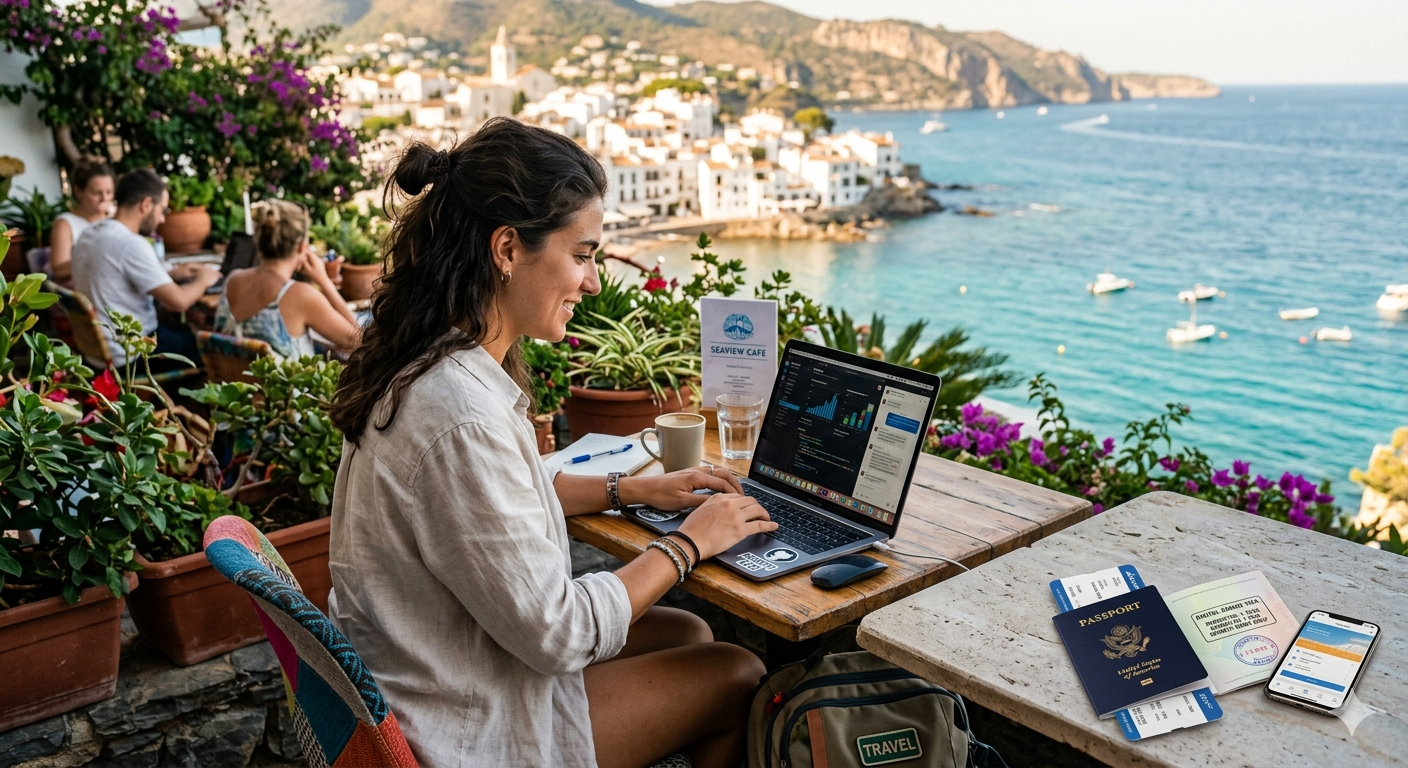
A digital nomad visa allows remote workers to legally live in another country while working for employers or clients based elsewhere.
Unlike tourist visas, these programs are specifically designed for people like:
- Remote employees
- Freelancers
- Online business owners
- Contractors
- Self-employed professionals
Most European digital nomad visas require proof of:
- Stable monthly income
- Remote work or freelance employment
- Health insurance
- A clean criminal record
- Housing arrangements
Some visas are meant for shorter stays. Others can eventually lead to long-term residency or even citizenship.
That matters more than people realize.
For Americans considering full degree programs abroad, these visas can provide flexibility after graduation too. Instead of immediately moving back to the U.S., graduates may be able to continue living and working legally in Europe.
Why Digital Nomads Choose Europe
Europe solves several problems at once.
For many Americans, the appeal isn’t just travel. It’s practicality.
Lower Cost of Living
In many European cities, rent, transportation, healthcare, and food still cost less than they do in comparable U.S. cities.
Someone earning U.S. income remotely may end up with:
- Better housing options
- Lower healthcare expenses
- Cheaper transportation
- Better public infrastructure
Strong Internet and Infrastructure
Countries competing for remote workers invested heavily in things like:
- Fast internet
- Coworking spaces
- Public transportation
- International airport access
- English-friendly services
For remote workers, that makes everyday life a lot easier.
Access to International Education
A lot of digital nomads eventually transition into degree programs themselves or move abroad with family members attending European universities.
Beyond The States focuses specifically on full accredited degrees in Europe, not short-term study abroad programs. Many universities offer:
- English-taught degrees
- Clear admissions processes
- Lower tuition costs
- Internationally recognized accreditation
Discover all the English-taught European college programs in one place.
Beyond the States provides easy access to 12,600+ European bachelor’s and master’s programs across 870 universities, 550 cities, and 212 areas of study, plus all the resources you need to get there.
3400+
English-taught bachelor’s programs in our database.
550
Beautiful European cities to choose from.
$360,170
Typical savings against a private university in the US.
8200+
English-taught master’s programs in our database.
870
Top-tier universities accepting international students.
$65,038
Typical savings against in-state tuition in the US.
Better Geographic Flexibility
Living in Europe also makes travel between countries surprisingly easy.
A weekend trip that would require a major flight in the U.S. can sometimes be just a short train ride or budget airline ticket.
Best Digital Nomad Visa Countries in Europe
Not all digital nomad visas are created equal.
Some countries are affordable but paperwork-heavy. Others are simple but expensive. A few stand out because they offer stronger long-term residency options.
Here’s a quick breakdown:
| Country | Typical Income Requirement | Visa Length | Residency Pathway | Cost of Living |
|---|---|---|---|---|
| Portugal | Moderate | 1–2 years | Strong | Moderate |
| Spain | Moderate to High | Up to 5 years | Strong | Moderate |
| Greece | Moderate | 1–2 years | Moderate | Lower |
| Italy | Moderate | 1 year renewable | Developing | Moderate |
| Germany | Varies | Renewable freelance permit | Strong | Higher |
| Estonia | Higher | 1 year | Limited | Moderate |
| Croatia | Moderate | Up to 1 year | Limited | Lower |
Portugal Digital Nomad Visa
Portugal remains one of the most popular choices for Americans.
It hits a rare balance: affordability, climate, infrastructure, and long-term residency potential all in one place.
Pros
- Large international community
- More affordable outside Lisbon
- Strong public transportation
- Residency pathway options
- English widely spoken in major cities
Potential Downsides
- Housing prices in Lisbon and Porto have increased
- Bureaucracy can move slowly
- Popular areas are becoming crowded
Best Fit For
- Remote workers interested in long-term residency
- Families
- Students considering graduate programs in Europe
- First-time expats
Spain Digital Nomad Visa
Spain quickly became one of Europe’s strongest options for remote workers.
It offers:
- Major international cities
- Lower healthcare costs
- Strong cultural infrastructure
- Excellent transportation
Spain also attracts younger professionals because it combines a big-city lifestyle with living costs that are often still lower than places like New York or San Francisco.
Best Cities for Nomads
Things to Consider
Spain’s visa process can involve more paperwork than people expect. Tax planning matters too.
Still, for many Americans, Spain offers one of the best overall lifestyle balances in Europe.
Greece Digital Nomad Visa
Greece has become especially attractive for remote workers looking to lower their expenses.
Compared to much of Western Europe, Greece often offers:
- Lower rent
- Cheaper restaurants
- More affordable transportation
Why People Choose Greece
- Mediterranean climate
- Easy island access
- Slower pace of life
- Affordable regional cities
Challenges
- Lower local salaries
- Bureaucracy can be inconsistent
- Internet quality varies outside major cities
For freelancers focused on affordability and lifestyle, Greece can work really well.
Italy Digital Nomad Visa
Italy entered the digital nomad space more recently than countries like Portugal or Estonia.
Demand was high immediately, for obvious reasons:
- Famous culture
- Strong food and lifestyle appeal
- Historic cities
- Large student populations
But Italy tends to work best for certain kinds of remote workers.
Best Fit
- Higher earners
- Freelancers with stable income
- People comfortable navigating Italian bureaucracy
- Long-term lifestyle-focused relocations
Key Consideration
Administrative processes in Italy can move slowly. Patience helps.
Even so, Italy remains incredibly appealing for Americans looking for a long-term base in Europe.
Germany Freelance Visa
Germany approaches remote work differently than countries with dedicated digital nomad visas.
Instead, many remote workers apply through Germany’s freelance visa system.
Why Germany Appeals to Professionals
- Strong economy
- Excellent infrastructure
- Major startup ecosystem
- Large international cities
Berlin, in particular, attracts:
- Designers
- Developers
- Writers
- Consultants
- Creatives
Trade-Offs
Germany is usually more expensive than Southern Europe.
Taxes and paperwork can also get more complicated. But in return, Germany offers one of the strongest long-term stability and residency paths in Europe.
Estonia Digital Nomad Visa
Estonia was one of the first countries to introduce a true digital nomad visa.
That matters because much of the system was built with remote workers in mind from the start.
Advantages
- Highly digital government systems
- Efficient administrative processes
- Strong startup culture
- Reliable internet infrastructure
Downsides
- Higher income requirements
- Smaller cities
- Colder climate
Estonia tends to appeal more to tech-focused remote workers than lifestyle-first nomads.
Croatia Digital Nomad Visa
Croatia remains one of Europe’s more affordable digital nomad destinations.
It combines:
- Coastal living
- Lower costs
- Growing nomad communities
- Fairly straightforward visa options
Popular Cities
Good Fit For
- Younger remote workers
- Freelancers
- Budget-conscious nomads
- People testing out European living before making a bigger move
Requirements for Europe Digital Nomad Visas
Requirements vary by country, but most include the following.
Typical Documents Needed
- Valid passport
- Proof of remote employment
- Proof of income
- Health insurance
- Criminal background check
- Housing or rental agreement
- Bank statements
Some countries also require tax registration after arrival.
And one important note: visa rules change regularly. Always verify requirements directly through official government immigration websites before applying.
Income Requirements by Country
Most countries require proof that you can support yourself financially while living there.
Approximate monthly minimums often look like this:
| Country | Estimated Monthly Income Requirement |
|---|---|
| Portugal | €3,000+ |
| Spain | €2,500–€3,000+ |
| Greece | €3,500+ |
| Italy | Varies |
| Germany | Case dependent |
| Estonia | €4,000+ |
| Croatia | €2,500+ |
These numbers change regularly and may increase over time.
Some countries also require higher income levels if you’re bringing family members.
Cost of Living for Digital Nomads in Europe
Living costs vary dramatically depending on the city.
Someone living in central Paris will have a completely different budget than someone living in Valencia or Thessaloniki.
Sample Monthly Budget
| Expense | Portugal | Spain | Greece | Croatia |
|---|---|---|---|---|
| Rent | $900–$1,800 | $1,000–$2,000 | $700–$1,500 | $700–$1,400 |
| Food | $300–$600 | $350–$650 | $300–$550 | $300–$500 |
| Transportation | $50–$120 | $50–$150 | $40–$100 | $40–$100 |
| Internet & Utilities | $120–$250 | $120–$250 | $100–$220 | $100–$200 |
Capital cities are usually much more expensive than secondary cities.
And honestly, that’s where many people get stuck. Americans often focus on famous cities like Paris, Rome, or Barcelona first. But smaller European cities can offer a much better balance of affordability and quality of life.
Can You Bring Family on a Digital Nomad Visa?
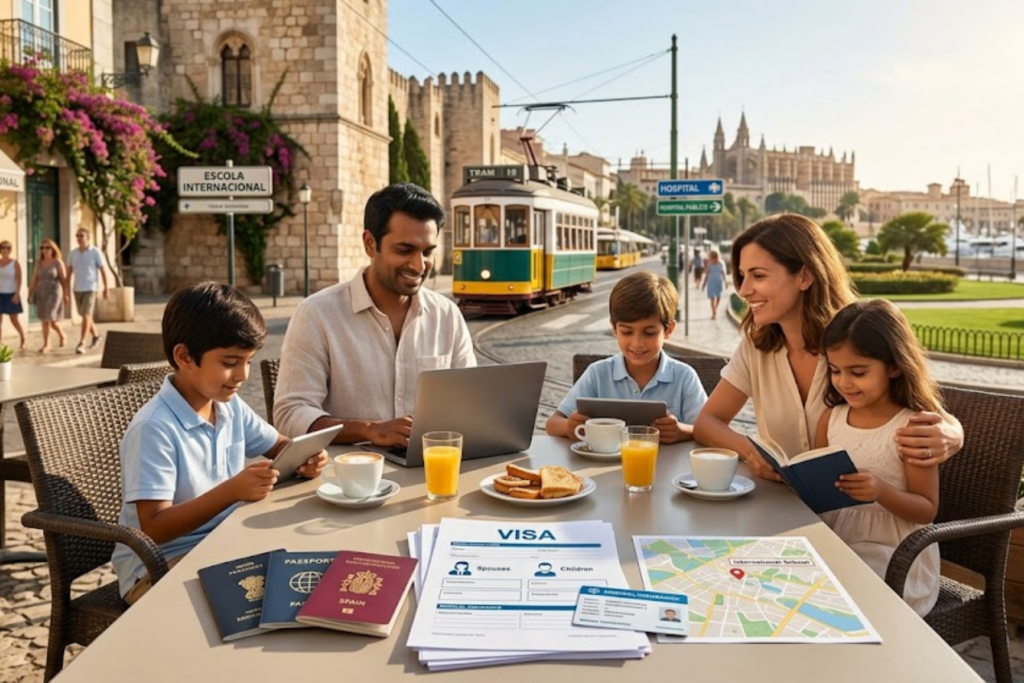
In many cases, yes.
Several European digital nomad visa programs allow spouses and dependent children to join.
Portugal and Spain are especially attractive for families because they offer:
- Public transportation
- International schools
- Public healthcare systems
- Safer urban environments in many areas
That said, bringing family members usually means:
- Higher income requirements
- Additional paperwork
- Proof of suitable housing
- Expanded health insurance coverage
Pathway to Residency in Europe
Some digital nomad visas are temporary. Others can eventually lead to residency opportunities.
Portugal and Spain are often discussed because they may allow transitions into longer-term residency after several years of legal residence.
Germany also offers strong long-term pathways for freelancers and skilled professionals.
This becomes especially important for students earning full degrees in Europe. After graduation, some may have opportunities to remain in Europe legally while gaining international work experience instead of immediately returning to the U.S.
That flexibility can open more doors than many families expect.
Tips for Choosing the Right Digital Nomad Visa
The best visa depends entirely on your priorities.
Choose Portugal If You Want:
- Long-term residency potential
- A strong expat community
- Balanced affordability
- Family-friendly options
Choose Spain If You Want:
- Major international cities
- Strong lifestyle balance
- Large professional networks
Choose Greece If You Want:
- Lower living costs
- A slower pace of life
- Mediterranean lifestyle
Choose Germany If You Want:
- Strong career infrastructure
- Startup ecosystems
- Long-term professional stability
Choose Croatia If You Want:
- A lower-cost entry point
- Coastal living
- An easier way to test remote life abroad
Common Misconceptions About Digital Nomad Visas
“You Can Just Work on a Tourist Visa”
Legally, that can get risky fast.
Digital nomad visas exist specifically to create legal residency options for remote workers.
“Europe Is Always Cheap”
Some places are. Some definitely aren’t.
Cities like Amsterdam, Paris, and central Barcelona can cost as much as expensive U.S. cities.
“International Degrees Aren’t Recognized”
Accredited European universities are widely recognized internationally, including by U.S. employers and graduate schools.
Beyond The States focuses specifically on vetted, accredited programs taught in English.
“You Need to Speak Another Language Fluently”
Not necessarily.
Many universities, coworking spaces, and international communities operate comfortably in English.
Frequently Asked Questions
We’re here to help answer your questions about Best Digital Nomad Visa Europe
Portugal and Spain are often considered the strongest overall options because they combine infrastructure, quality of life, affordability, and residency potential.
Croatia and Estonia are often viewed as more straightforward compared to countries with heavier bureaucracy.
Yes, usually through the proper visa structure. Tourist visas generally don’t fully cover long-term remote work situations.
Sometimes. Portugal, Spain, and Germany offer stronger long-term pathways than temporary-only programs.
Many do. Admissions processes are often more transparent and merit-based than highly unpredictable U.S. holistic admissions systems.
Often, yes. Many European universities offer substantially lower tuition while still providing internationally recognized accreditation.
Who Is This a Good Fit For?
Digital nomad visas in Europe can make sense for:
- Remote workers earning stable U.S. income
- Freelancers
- Online business owners
- Families looking for lower living costs
- Students considering full degrees abroad
- Graduates seeking international experience
- Professionals interested in residency pathways
It’s not the right fit for everyone.
But for Americans looking for more flexibility, lower costs, and greater international mobility, Europe has become a much more realistic option than many people assume.
Conclusion
The best digital nomad visa in Europe depends less on social media hype and more on your actual goals.
Some people care most about affordability. Others prioritize long-term residency, family logistics, startup ecosystems, or access to international education.
That’s why careful research matters.
Beyond The States helps students and families explore full accredited degree programs across Europe not short-term study abroad experiences. The focus is on transparency, affordability, and practical pathways that make international education more accessible.
If you’re considering studying, working, or building a long-term future in Europe, take the time to compare countries and programs realistically.
You can also take the Beyond The States quiz to identify universities and countries that align with your goals.