Best Universities in Australia
Think a top U.S. degree is the only way to succeed globally? Not really. Australia actually has some of the strongest universities in the world, and they award fully accredited degrees that are recognized internationally.
Here’s something many families miss. You’re not limited to short study-abroad programs. You can complete a full undergraduate or graduate degree in Australia legally, safely, and often at a more manageable cost than expected.
It gets even more interesting. Australian universities continue to climb in global rankings and offer flexible programs, along with solid career outcomes after graduation.
Another point worth noting: international students often find admissions more straightforward, and in many cases, total costs are lower than what they’d pay at private colleges in the U.S.
So if you’re even thinking about studying outside the U.S., it really helps to understand how Australia’s system works before making any decisions.
Summary
Why Australian Universities Are Gaining Global Recognition
Australia is consistently one of the top destinations for international students. A few reasons stand out:
- Global rankings: Schools like the University of Melbourne, Australian National University, and the University of Sydney regularly appear in the world’s top 100.
- Strong research: Universities are especially well known for work in science, engineering, and social sciences.
- International recognition: Degrees meet global standards and are widely accepted by employers and graduate schools.
- English instruction: Programs are fully taught in English, which makes the transition easier for U.S. students.
What this really means is simple: Australia isn’t just a backup option to the U.S. It can be a strategic choice if you want strong academics, global recognition, and clear post-grad opportunities.
Best Universities in Australia for International Students
Australia is home to several universities ranked in the top 100 worldwide.
So you’re not really choosing between “good” and “better” schools here. You’re comparing globally competitive institutions with strong academics and solid career outcomes.
University of Melbourne
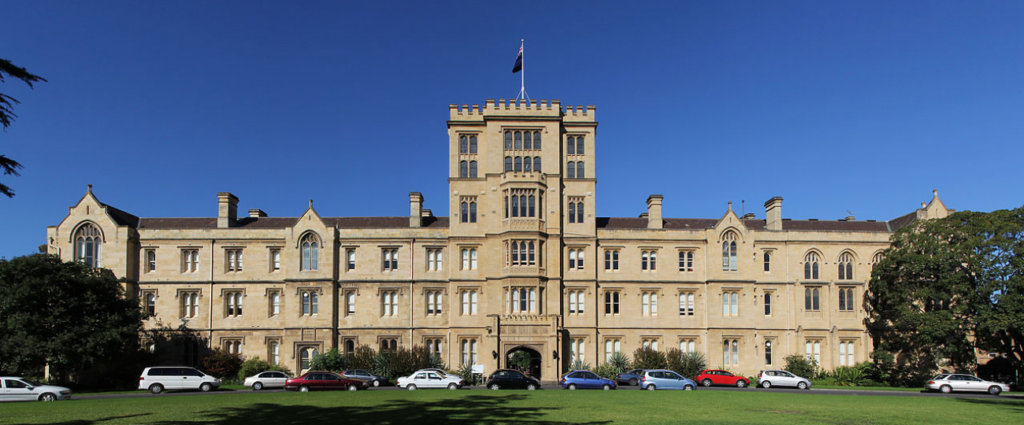
Location: Melbourne, Victoria
Global Ranking: #1 in Australia, ~Top 40 worldwide
Estimated Tuition (International): AUD $35,000–$55,000 per year
The University of Melbourne has held its position as Australia’s top-ranked university for years. It’s especially known for research and strong academic reputation.
What it’s known for
- Arts, humanities, and social sciences
- Medicine and life sciences
- Business and economics
Why international students choose it
- Consistently top-ranked nationally
- Strong pathways to graduate schools worldwide
- Located in a highly livable, international city
What to consider
- Admissions are competitive
- Higher cost of living in Melbourne
Best for: Students who want strong academic reputation and flexible global options.
University of Sydney
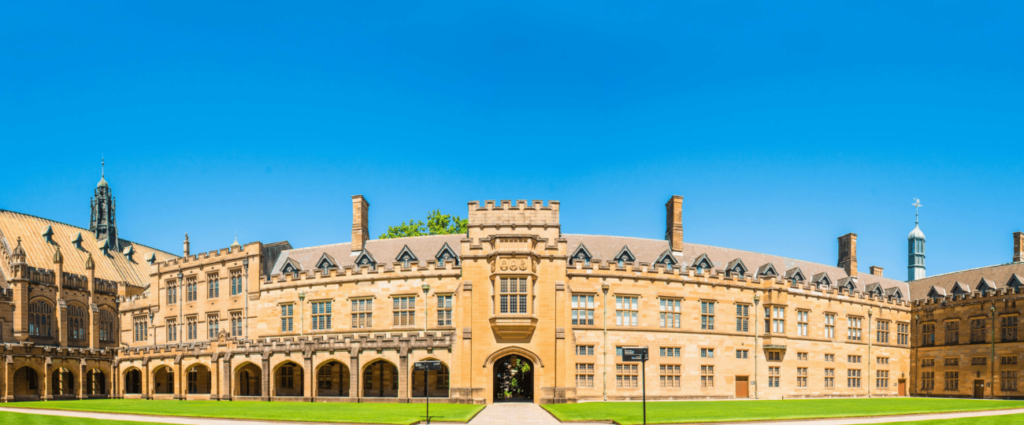
Location: Sydney, New South Wales
Global Ranking: Top 60 worldwide
Estimated Tuition (International): AUD $40,000–$55,000 per year
This is Australia’s oldest university, and it carries a strong global reputation.
What it’s known for
- Business and law
- Health sciences
- Arts and humanities
Why international students choose it
- Well-known internationally
- Broad range of programs
- Large, active campus life
What to consider
- Sydney is expensive to live in
- Some programs are highly competitive
Best for: Students who want a mix of prestige and a strong campus experience.
Monash University
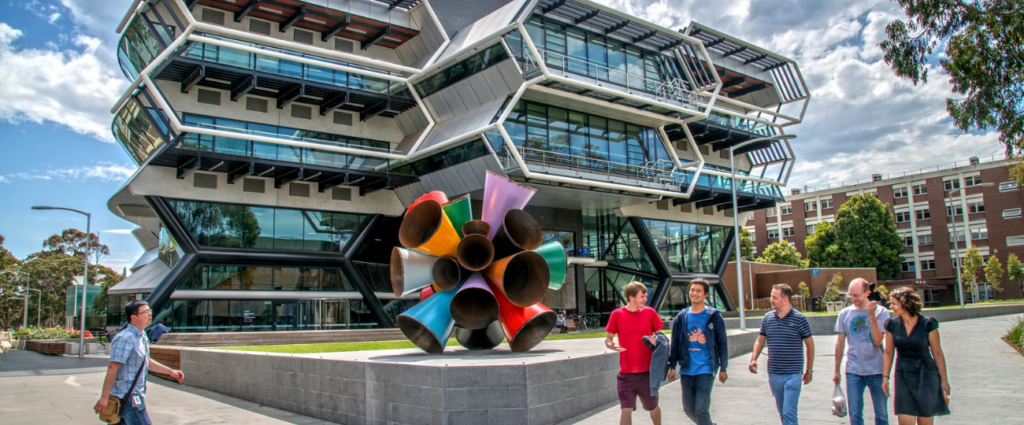
Location: Melbourne, Victoria
Global Ranking: Top 60 worldwide
Estimated Tuition (International): AUD $35,000–$50,000 per year
Monash is one of Australia’s largest universities and a major research institution.
What it’s known for
- Engineering and technology
- Pharmacy and health sciences
- Business
Why international students choose it
- Global campus network and partnerships
- Strong research programs
- Large international student community
What to consider
- Very large system, which can feel overwhelming at first
- Competitive programs
Best for: Students who want strong academics and international exposure.
Australian National University (ANU)
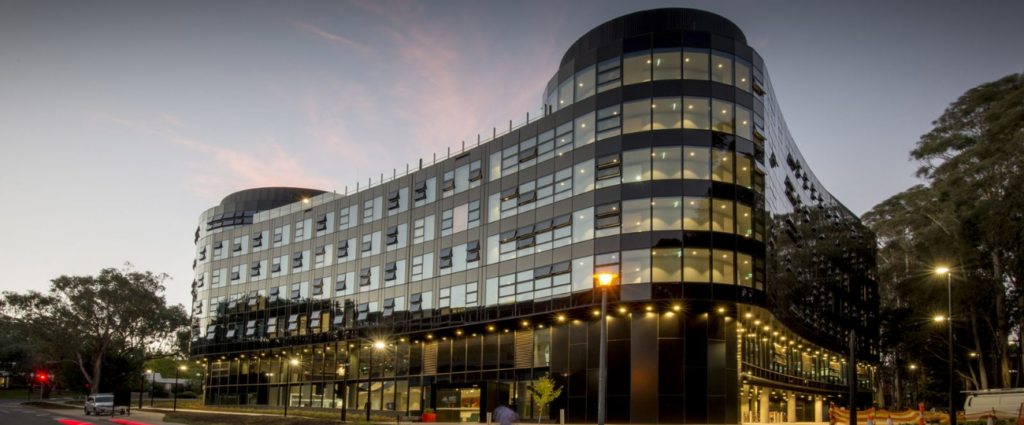
Location: Canberra, ACT
Global Ranking: Top 75 worldwide
Estimated Tuition (International): AUD $40,000–$50,000 per year
ANU is one of Australia’s most academically focused universities and has close ties to government and policy work.
What it’s known for
- Politics and international relations
- Economics
- Research and public policy
Why international students choose it
- Strong academic reputation
- Smaller, more focused campus environment
- Direct links to government institutions
What to consider
- Canberra is quieter than major cities
- Less traditional “big campus” feel
Best for: Students interested in policy, research, or academic paths.
UNSW Sydney (University of New South Wales)
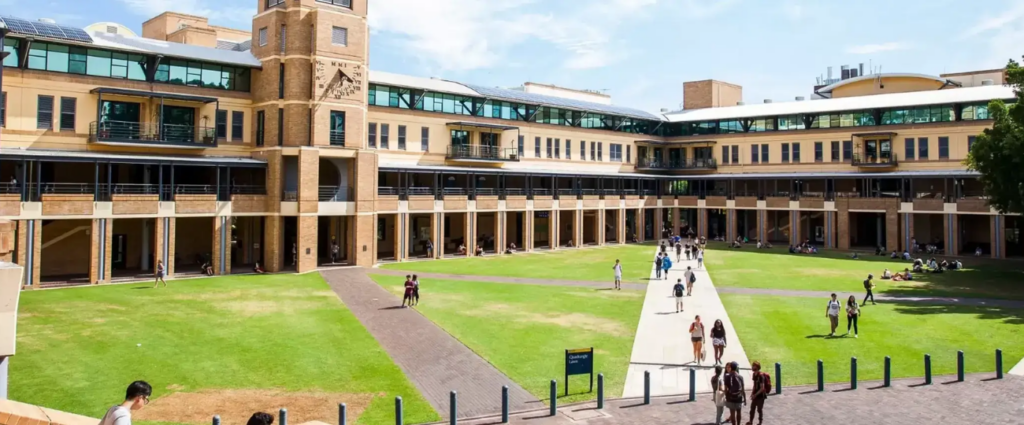
Location: Sydney, New South Wales
Global Ranking: Top 80 worldwide
Estimated Tuition (International): AUD $40,000–$55,000 per year
UNSW is known for its strong focus on employability and industry connections.
What it’s known for
- Engineering and technology
- Business and finance
- Data and computer science
Why international students choose it
- Strong job outcomes after graduation
- Close ties with industry
- Located in a major global city
What to consider
- Fast-paced academic environment
- High living costs in Sydney
Best for: Students focused on career outcomes, especially in STEM and business.
University of Queensland (UQ)
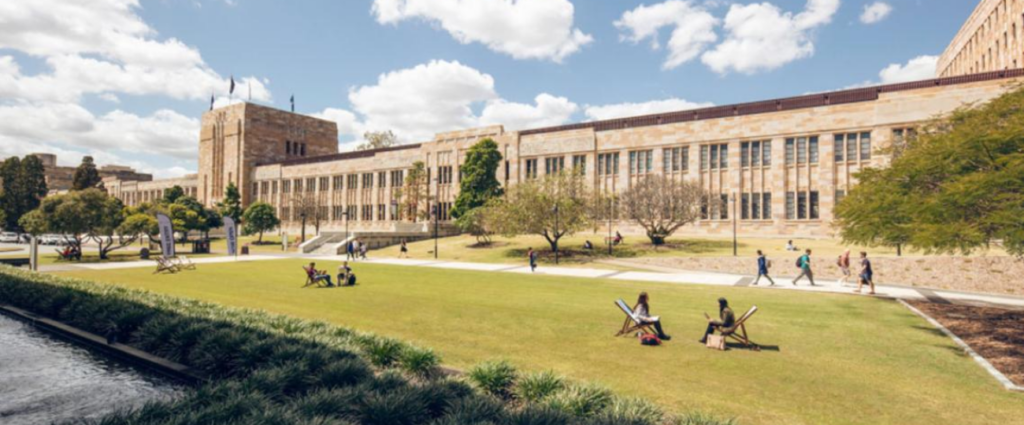
Location: Brisbane, Queensland
Global Ranking: Top 100 worldwide
Estimated Tuition (International): AUD $35,000–$50,000 per year
UQ is a research-heavy university with strong strengths in science and innovation.
What it’s known for
- Environmental science
- Biotechnology
- Engineering
Why international students choose it
- Strong research output
- More affordable cost of living than Sydney or Melbourne
- Large, modern campus
What to consider
- Hot climate
- Competitive STEM programs
Best for: Students who want strong academics with slightly lower overall costs.
University of Adelaide
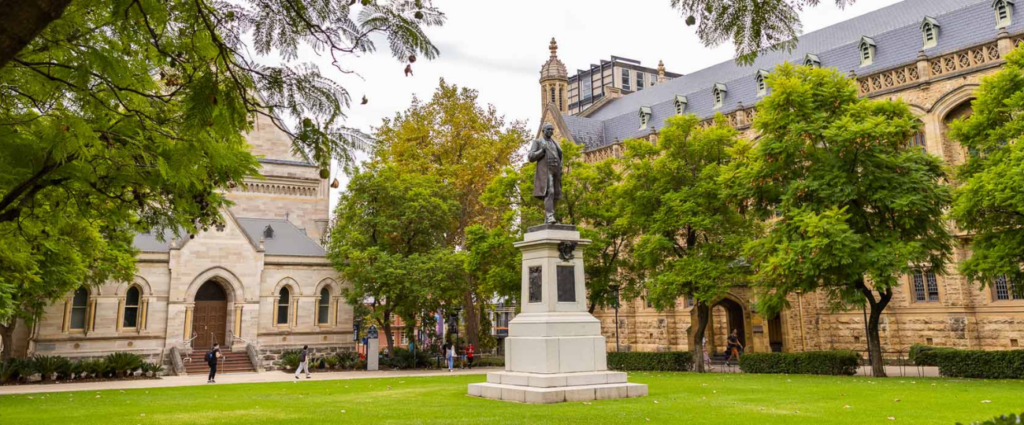
Location: Adelaide, South Australia
Global Ranking: Top 150 worldwide
Estimated Tuition (International): AUD $30,000–$45,000 per year
The University of Adelaide is one of Australia’s more affordable top-tier universities.
What it’s known for
- Engineering and sciences
- Agriculture and wine studies
- Health sciences
Why international students choose it
- Lower tuition and living costs
- Smaller, easier-to-navigate campus
- Solid academic reputation
What to consider
- Smaller city environment
- Fewer internship options compared to bigger cities
Best for: Students who want affordability without giving up academic quality.
What to Know Before Studying in Australia
Before you make any decisions, there are a few practical things U.S. students should look at.
- Accreditation and recognition: Degrees from Australia are widely accepted around the world. Still, it’s worth double-checking requirements for your specific field, especially if it’s licensed or regulated.
- Admission timelines: Most bachelor’s programs start in February or July. Graduate programs can vary more. The key is not waiting too long deadlines come earlier than many students expect.
- English proficiency: You’ll usually need proof of English skills through tests like IELTS or TOEFL.
- Visa requirements: Student visas are generally straightforward, but you’ll need to show financial support and have health insurance in place.
Recommended products
-
Best Fit List™ Matching Service
Original price was: $3,500.00.$2,697.00Current price is: $2,697.00. -

Choosing a University
$199.00 -
College Admissions Counseling – Platinum
Original price was: $12,000.00.$8,997.00Current price is: $8,997.00.



How to Apply to Universities in Australia
The process is fairly simple compared to many U.S. applications.
- Pick your program based on what you want to study, where you want to live, and your career plans.
- Gather your documents, transcripts, test scores, and recommendation letters if required.
- Submit your application through the university itself or through systems like Universities Admissions Centre (UAC) for NSW or Victorian Tertiary Admissions Centre (VTAC) for Victoria.
- Once you get an offer, accept it and apply for your student visa.
One key difference: Australian universities focus mostly on academic performance. There’s usually less emphasis on essays or extracurricular activities compared to the U.S.
Cost of Studying in Australia for International Students
Here’s what most students should realistically expect:
- Tuition: Around $28,000–$45,000 USD per year, depending on the program
- Living expenses: Roughly $15,000–$20,000 USD per year for housing, food, and transport
- Healthcare: bout $500–$700 USD per year (OSHC is required)
- Other costs: Books and personal costs usually add another $1,500–$3,000 USD annually
One thing worth keeping in mind: most bachelor’s degrees in Australia take 3–4 years instead of 4. That can bring down your total cost overall.
Living Expenses in Australia for Students
Costs vary a lot depending on the city and your lifestyle.
- Sydney & Melbourne: About $18,000–$22,000 USD per year
- Brisbane & Adelaide: Around $15,000–$18,000 USD per year
Housing usually looks like this:
- On-campus dorms: $8,000–$12,000 USD per year
- Shared off-campus housing: $6,000–$12,000 USD per year
A helpful detail: student visas allow part-time work (up to 40 hours per fortnight), which many students use to offset daily expenses.
Internship Opportunities in Australia for Students
Internships are often built directly into degree programs rather than being optional extras.
- Industry placements: Many degrees include credit-based industry placements
- Corporate partnerships: Business and engineering students often connect with large companies in cities like Sydney and Melbourne
- Research experience: STEM students frequently get research or lab experience, which helps a lot when applying for jobs later
Who Is This a Good Fit For?
Studying in Australia tends to work well for students who:
- Want an English-taught degree that’s recognized globally
- Prefer a more straightforward admissions process
- Like the idea of shorter degree programs with a practical focus
- Are thinking ahead to working or studying further abroad after graduation
Common Misconceptions About Australian Universities
A few things people often get wrong:
“Degrees aren’t recognized in the U.S.”
That’s not true. They’re widely accepted internationally.
“It’s too expensive to live there.”
Costs can be high in major cities, but scholarships and regional campuses help a lot.
“You can only study STEM or business.”
Not true at all, there are strong programs in arts, law, health, and more.
Frequently Asked Questions
We’re here to help answer your questions about Australian Universities
Yes. Many universities will review your coursework and may grant credit.
Yes. There are university scholarships as well as government options like the Australia Awards.
It’s mostly merit-based. Your GPA, academic background, and English test scores matter most.
Yes. Student visas allow up to 40 hours of work per fortnight during the semester and full-time during breaks.
Final Thoughts
Studying in Australia gives you access to well-recognized degrees, a relatively clear admissions process, and plenty of practical experience through internships.
A few things that stand out:
- Degrees are widely accepted by employers and grad schools
- Admissions are straightforward and based mainly on academics
- Many programs are shorter than in the U.S., which can reduce total cost
- Work and internship opportunities are often built into the system
If you’re considering this path, Beyond The States can help you every step of the way:
- Identify vetted, accredited programs that match your goals
- Understand admissions requirements and timelines
- Compare costs and scholarship opportunities across countries
- Get personalized guidance through a strategy call
If you’re serious about studying abroad, getting clear on your options early makes the whole process a lot easier to manage.