Best Universities in Canada
A lot of U.S. families think studying abroad just means doing a semester in another country. That’s one option, but it’s far from the only one.
More and more American students are choosing to earn their full undergraduate or graduate degrees outside the U.S. In many cases, it costs less and the admissions process is actually clearer.
Here’s what tends to surprise people.
Some of Canada’s top universities are highly ranked worldwide. They offer degrees taught in English, have strong global reputations, and usually follow more straightforward admissions processes. And depending on the school, the total cost can be similar to, or even lower than, what you’d pay for in-state tuition at a U.S. public university.
Here’s the key takeaway.
Canadian universities are well respected across North America and beyond. They’re accredited through established provincial systems, and their degrees are recognized by employers and graduate schools alike.
Let’s walk through what you should know.
Summary
Best Universities in Canada for International Students
If you look at rankings year to year, the same Canadian universities tend to show up at the top. These schools are research-driven, globally recognized, and familiar to employers and grad schools.
University of Toronto
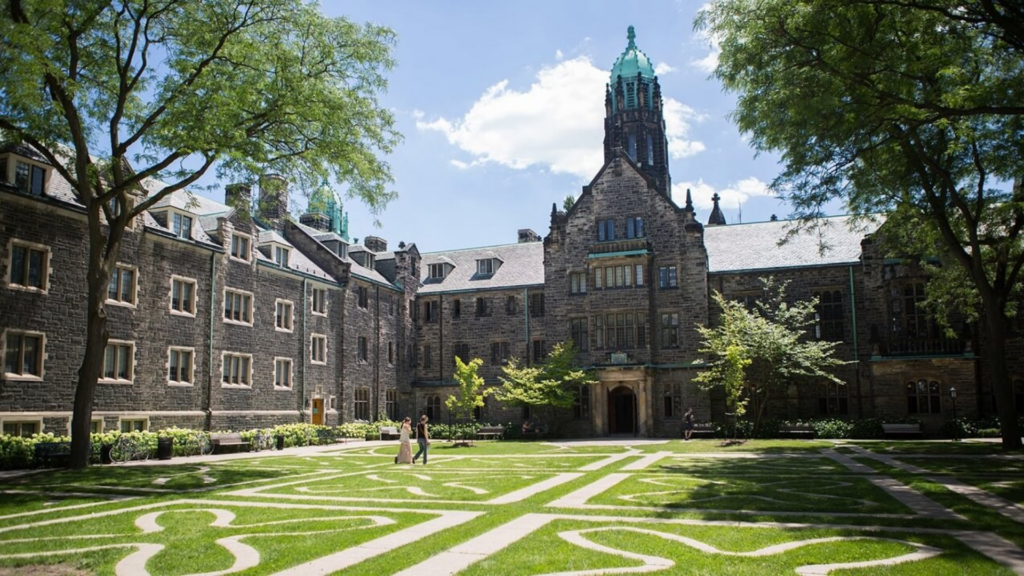
Location: Toronto, Ontario
Global Ranking: Top 25 worldwide
Student Population: 90,000+
Estimated Tuition (International): CAD $60,000–$67,000 per year depending on program
The University of Toronto is consistently ranked the top university in Canada and is a major global research hub.
What it’s known for
- Artificial Intelligence, Engineering, Life Sciences
- Business (Rotman Commerce)
- Medicine and health research
It’s also the place where insulin and key stem cell research breakthroughs happened.
Why international students choose it
- Strong global reputation with employers
- Located in Canada’s largest city (great for internships)
- Huge range of programs (700+)
What to consider
- Competitive admissions for top programs
- Higher tuition for certain majors
- Large campus can feel less personal
Best for: Students aiming for global careers, especially in tech, business, or research
University of British Columbia (UBC)
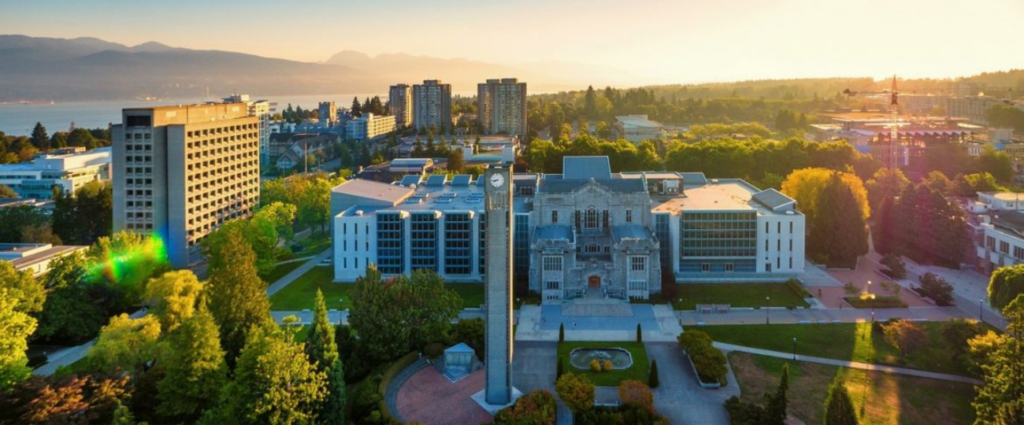
Location: Vancouver, British Columbia
Global Ranking: Top 40 worldwide
Student Population: ~60,000
Estimated Tuition (International): CAD $40,000–$60,000 per year (varies by program)
UBC is one of Canada’s most internationally connected universities, with a strong research focus.
What it’s known for
- Environmental science and sustainability
- Engineering and computer science
- Business (Sauder School of Business)
Why international students choose it
- Strong global research partnerships
- Large international student population
- Access to internships in a major city
What to consider
- Vancouver has a high cost of living
- Competitive admissions for selective programs
Best for: Students who want a globally connected, research-focused experience
McGill University
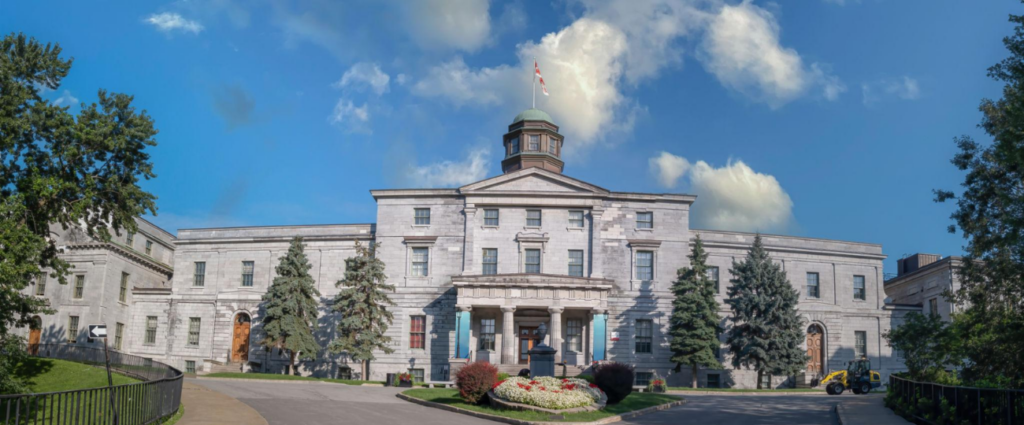
Location: Montreal, Quebec
Global Ranking: Top 30 worldwide
Student Population: ~40,000
Estimated Tuition (International): CAD $25,000–$55,000 per year
McGill is one of Canada’s most internationally recognized universities, especially in North America and Europe.
What it’s known for
- Medicine and health sciences
- Law and political science
- International relations
Why international students choose it
- Students from 150+ countries
- Strong global academic reputation
- Lower cost of living than Toronto or Vancouver
What to consider
- Some programs may require or benefit from French
- Winters are cold
- Academics can be rigorous
Best for: Students who want strong academics in a slightly more affordable major city
University of Waterloo

Location: Waterloo, Ontario
Reputation: Top-tier for employability in tech
Estimated Tuition (International): CAD $45,000–$73,000 per year depending on program
Waterloo stands out for its focus on career outcomes, especially in tech.
What it’s known for
- Computer science and software engineering
- Co-op programs (paid internships)
- Mathematics and data science
Why international students choose it
- One of the best co-op systems in the world
- Strong ties to major tech companies
- High job placement rates
What to consider
- Heavy workload
- Smaller city feel
- Less traditional campus vibe
Best for: Students focused on tech, engineering, and getting real work experience during college
McMaster University
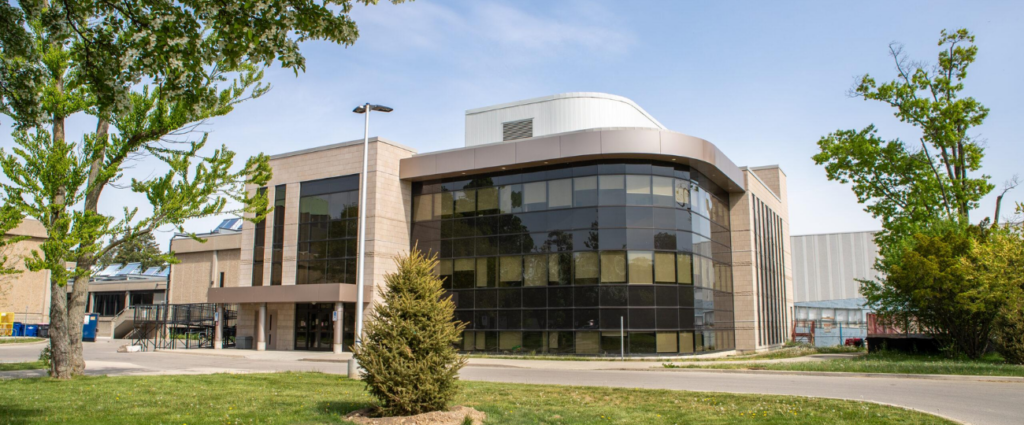
Location: Hamilton, Ontario
Reputation: Strong in health and research
Estimated Tuition (International): CAD $30,000–$43,000 per year (program dependent)
McMaster is known for research and its hands-on, problem-based teaching style.
What it’s known for
- Health sciences
- Engineering
- Research-intensive programs
Why international students choose it
- Innovative teaching methods
- Strong research funding
- Close to Toronto but more affordable
What to consider
- Very competitive health science program
- Smaller campus feel
Best for: Students interested in healthcare, medicine, or research
University of Alberta
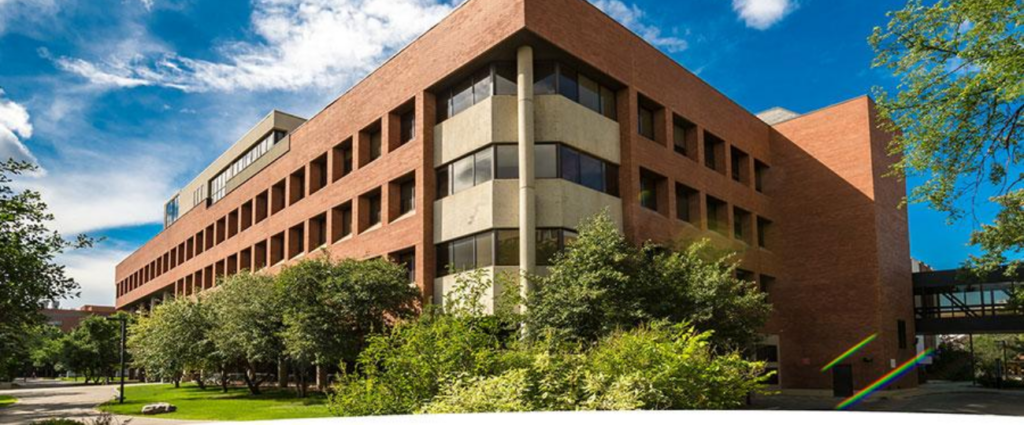
Location: Edmonton, Alberta
Reputation: Research powerhouse
Estimated Tuition (International): CAD $28,000–$42,000 per year
A major research university with strengths in engineering and environmental fields.
What it’s known for
- Engineering and energy research
- Environmental science
- Artificial intelligence
Why international students choose it
- Strong research opportunities
- Lower tuition compared to some top schools
- Supportive international community
What to consider
- Cold weather
- Smaller city
Best for: Students who want strong academics at a lower cost
Western University

Location: London, Ontario
Reputation: Business and finance
Estimated Tuition (International): CAD $31,000–$60,000 per year depending on program
Western is especially well known for business and finance.
What it’s known for
- Business (Ivey HBA program)
- Social sciences
- Law
Why international students choose it
- Strong alumni network
- Case-based learning
- Good outcomes in finance and consulting
What to consider
- Competitive business admissions
- Smaller city setting
Best for: Students targeting careers in business or consulting
The Reality of Studying in Canada

Canada is often described as an easy alternative to the U.S. That’s only partly true.
What’s accurate:
- Admissions are more transparent and grade-based
- Tuition is often lower than U.S. private universities
- Students can work during and after their studies
- Degrees are fully recognized
What’s often misunderstood:
- It’s not always cheap
- Competitive programs are still selective
- Living costs vary a lot by city
Here’s the nuance.
Canada may not be the absolute cheapest option globally, but it often offers strong value, especially when you factor in post-graduation work opportunities.
Why Study in Canada for Higher Education
Canada has quietly become one of the most popular destinations for international students.
Here’s why.
1. Globally Recognized Degrees
Canadian universities are part of strong public education systems,, and their degrees are widely accepted by
U.S. graduate schools
multinational employers
professional licensing bodies
This is important if you plan to pursue graduate study or work internationally.
2. English-Taught Programs
Most universities teach in English, which makes the transition much easier for U.S. students.
Even in places like Quebec, you’ll find plenty of fully English programs.
3. Transparent Admissions
Compared to the U.S., admissions in Canada tend to be more straightforward. Schools focus mostly on academics. That usually means:
GPA
required coursework
sometimes standardized tests
specific subject grades
It’s a more predictable system, which can take some of the guesswork out of applying.
4. Safe, Welcoming Environment
Canada consistently ranks among the safest countries for students.
Cities like Toronto, Vancouver, Montreal, and Ottawa are multicultural hubs with strong international student communities.
How to Apply to Universities in Canada
The process is simpler than what many students are used to in the U.S. Here’s how it typically works.
1. Research programs and institutions
- Identify your field of interest
- Look for Designated Learning Institutions (DLIs) that offer your program
- Review program details and eligibility criteria
2. Understand admission requirements
- Check GPA and academic prerequisites for each program
- Prepare required documents such as:
- Transcripts
- Personal statements
- Letters of recommendation (if required)
3. Prepare for language proficiency tests (if applicable)
- Take IELTS or TOEFL if required
- Make sure your scores meet the minimum.
4. Apply to institutions
- Apply directly through university portals or centralized systems.
- Double-check deadlines and required documents
5. Receive and evaluate offer letters
- Wait for admission decisions
- Compare your offers based on program, cost, and location
6. Accept your offer and pay fees
- Confirm your enrollment
- Pay any required deposit.
7. Apply for a study permit
- Gather required documents, including:
- Acceptance letter
- Proof of funds
- Submit your application online or through a visa office
Timeline
- Applications open: October–January
- Deadlines: January–March
- Decisions: March–May
One thing to keep in mind: the process is fairly predictable. You’re mostly working with clear criteria, not vague or highly subjective decisions.
Living Expenses in Canada for Students
Here’s a realistic look at what a year might cost:
Sample Cost Estimate
Tuition: $25,000
Housing: $12,000
Food: $4,000
Transportation: $1,200
Books and supplies: $1,000
Health insurance: $800
Estimated total: $44,000 per year
Costs vary significantly depending on:
university
city
housing choice
Major cities like Vancouver and Toronto tend to be more expensive than smaller college towns.
Who Is Studying in Canada a Good Fit For?

Studying in Canada makes sense for students who want a few specific things:
Academic clarity
A clear, grade-based admissions process
An international experience without a language barrier
High-quality research universities
Strong, research-focused universities
Strong STEM and technology programs
Solid STEM programs, especially in engineering and computer science
Potential pathways to international careers
Career opportunities that connect beyond one country
Canada’s education system is closely tied to global industries, which can open doors later on.
Recommended products
-
Achieve (12 months access)
Original price was: $1,100.00.$924.00Current price is: $924.00. -
College Admissions Counseling – Platinum
Original price was: $12,000.00.$8,997.00Current price is: $8,997.00. -
One-on-One Consultation
Original price was: $599.00.$397.00Current price is: $397.00.



Common Misconceptions About Canadian Universities
Let’s address a few myths.
Myth 1: Canadian Degrees Aren’t Recognized in the U.S.
They are. Canadian universities are well respected, and graduates regularly go on to U.S. grad schools or global companies.
Myth 2: It’s Difficult for Americans to Study in Canada
The process is relatively straightforward.
Students simply need:
an admission offer
proof of financial support
a Canadian study permit
Myth 3: Canadian Universities Are All the Same
Canada has a diverse higher education landscape.
You’ll find:
large research universities
smaller teaching-focused institutions
specialized schools
Choosing the right fit matters.
Frequently Asked Questions
We’re here to help answer your questions about best universities in canada
Top schools include the University of Toronto, University of British Columbia, McGill University, University of Waterloo, and University of Alberta. These consistently rank among the best globally.
Students choose it for strong academics, recognized degrees, a safe environment, and solid research opportunities.
Tuition often ranges from $20,000 to $40,000 per year, which can be lower than many U.S. private universities.
Yes. Most applications require transcripts, specific course prerequisites, and sometimes test scores.
Yes. Degrees from accredited Canadian universities are widely accepted.
The Bigger Picture
Canada offers strong universities, respected degrees, and a more straightforward admissions process than many students expect.
For a lot of people, it’s a balanced option. You get a global education without an overly complicated system.
That said, choosing the right program and understanding the real costs and outcomes, takes some careful thought.
That’s where guidance can help.
At Beyond The States, we help students look beyond short-term study abroad and explore full degree programs overseas. We compare universities, break down costs, and help families see the full picture.
If you’re exploring international options, you can:
Take the Beyond The States college matching quiz
Browse vetted universities and degree programs
Or schedule a strategy session to discuss your goals and options.
Studying internationally is no longer unusual for American students.
For the right student, it can be a smart, practical path to a globally recognized degree.