Top Public Universities in the World
More than 70% of U.S. college graduates leave school with student loan debt. Meanwhile, many of the world’s highest-ranked public universities charge a fraction of what students pay in the U.S. Some even offer tuition-free education for international students.
Here’s what many families don’t realize.
Studying abroad isn’t just about spending a semester in another country. You can earn a fully accredited bachelor’s or master’s degree abroad in English from some of the top public universities in the world. These degrees are recognized internationally, often cost much less than U.S. programs, and can help you pursue graduate school or careers almost anywhere.
Summary
What Are the Top Public Universities in the World?
The top public universities in the world are government-funded institutions known for excellent teaching, impactful research, and strong global reputations. While funding systems vary from country to country, these universities receive public support while maintaining high academic standards.
Many leading public universities stand out for their:
- Research excellence
- International faculty and student diversity
- Graduate employability
- Innovation
- Academic resources
- Industry partnerships
- Global collaboration
Because they receive government funding, many public universities can keep tuition costs lower than private institutions without compromising educational quality.
For international students, that can mean earning a respected degree while spending significantly less on higher education.
Which Rankings Determine the Best Public Universities?
Several well-known global university rankings evaluate universities using different methods. No ranking is perfect on its own, but looking at several together gives you a much clearer picture.
QS World University Rankings
The QS World University Rankings evaluate universities based on factors such as:
- Academic reputation
- Employer reputation
- Faculty-to-student ratio
- International students
- International faculty
- Research citations
QS rankings are especially useful if you’re looking at global recognition and how employers view a university.
Times Higher Education (THE)
The Times Higher Education (THE) rankings place greater emphasis on:
- Teaching quality
- Research influence
- Knowledge transfer
- International outlook
- Research environment
THE offers a balanced view of both teaching quality and research performance.
Academic Ranking of World Universities (ARWU)
Often called the Shanghai Rankings, the Academic Ranking of World Universities (ARWU) focuses heavily on research achievements, including:
- Nobel Prize winners
- Highly cited researchers
- Scientific publications
- Research productivity
Universities with a strong research focus tend to perform especially well in these rankings.
U.S. News Best Global Universities
The U.S. News Best Global Universities rankings consider factors such as:
- Global research reputation
- Regional research reputation
- Publications
- Conferences
- International collaboration
- Citation impact
Many American families are already familiar with U.S. News because it also publishes well-known U.S. college rankings.
Top Public Universities in North America
North America is home to some of the world’s most respected public research universities. These schools consistently rank among the best globally and offer outstanding opportunities across a wide range of academic fields.
University of California, Berkeley
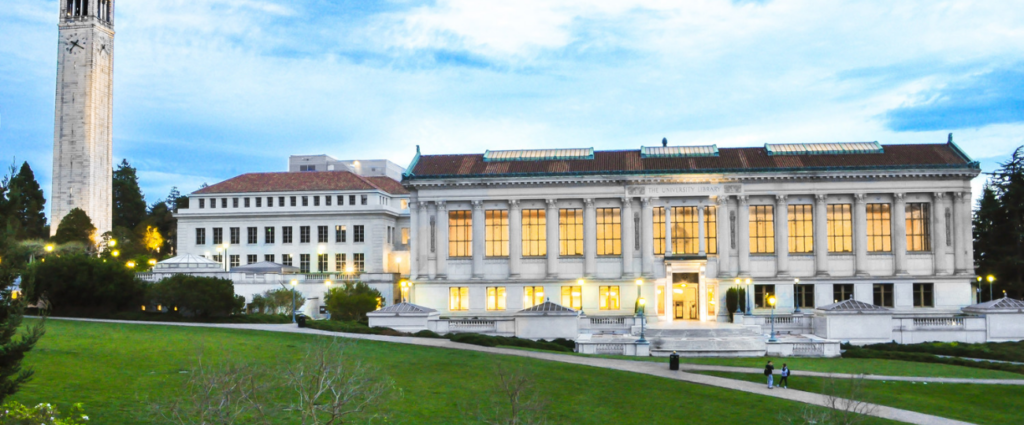
Location: Berkeley, California, United States
Global Ranking: Consistently Top 10–20 worldwide
Students: 45,000+
Tuition: Approximately USD $48,000–$52,000/year (international undergraduate)
The University of California, Berkeley has earned a reputation as one of the world’s leading public research universities. It’s particularly well known for innovation, entrepreneurship, and academic excellence. Located in the San Francisco Bay Area, Berkeley also gives students access to one of the world’s biggest technology and startup hubs.
Known for:
- Engineering
- Computer science
- Economics
- Environmental science
- Entrepreneurship
Why students choose it:
- Outstanding global reputation
- Strong connections to Silicon Valley employers
- Extensive undergraduate research opportunities
Best for: Students interested in technology, engineering, research, entrepreneurship, or economics.
University of California, Los Angeles (UCLA)
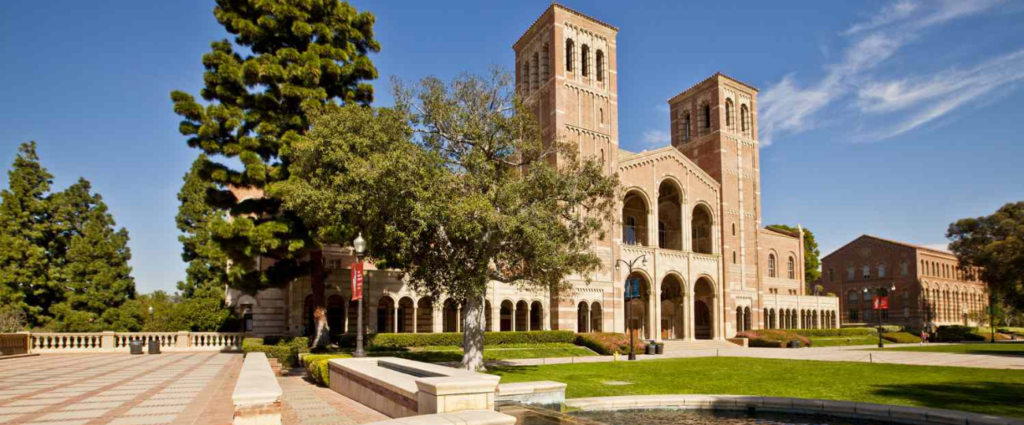
Location: Los Angeles, California, United States
Global Ranking: Consistently Top 20–30 worldwide
Students: 48,000+
Tuition: Approximately USD $47,000–$51,000/year (international undergraduate)
UCLA pairs excellent academics with one of the most vibrant campus experiences in the United States. Its location in Los Angeles gives students access to opportunities in healthcare, entertainment, technology, and research.
Known for:
- Life sciences
- Film and media
- Public health
- Psychology
- Engineering
Why students choose it:
- Excellent research opportunities
- Strong employer reputation
- Diverse student community
- Access to internships throughout Southern California
Best for: Students planning to study healthcare, media, psychology, engineering, or interdisciplinary research.
University of Michigan
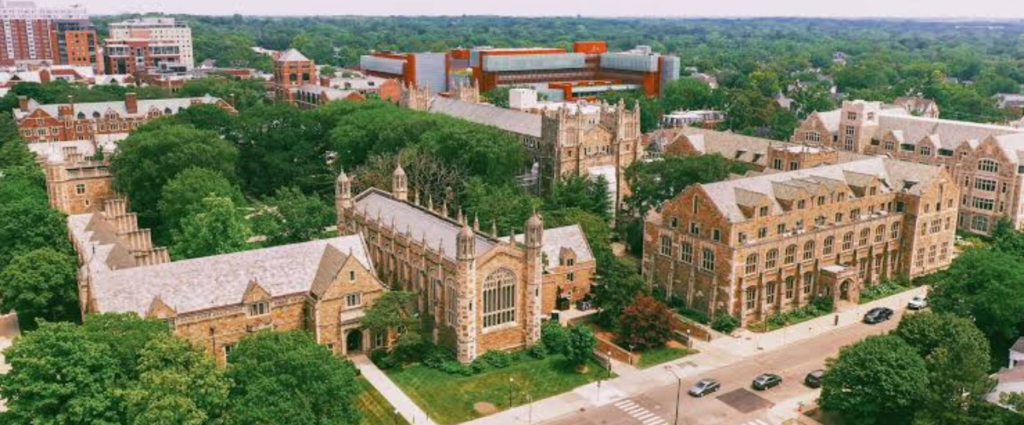
Location: Ann Arbor, Michigan, United States
Global Ranking: Consistently Top 25–30 worldwide
Students: 52,000+
Tuition: Approximately USD $58,000–$62,000/year (international undergraduate)
The University of Michigan is one of America’s top public universities. It combines a traditional college campus experience with strong academics and a long-standing reputation for research. It’s also consistently recognized for producing graduates who are well prepared for their careers.
Known for:
- Engineering
- Business
- Medicine
- Social sciences
- Public policy
Why students choose it:
- Large and influential alumni network
- Strong career outcomes
- Excellent research facilities
- Active campus life
Best for: Students who want a traditional U.S. university experience backed by strong academics and research opportunities.
University of Texas at Austin

Location: Austin, Texas, United States
Global Ranking: Consistently Top 40–60 worldwide
Students: 53,000+
Tuition: Approximately USD $42,000–$45,000/year (international undergraduate)
The University of Texas at Austin has steadily built its reputation as one of the world’s leading public universities. Its location in Austin—one of the fastest-growing technology hubs in the U.S.—gives students excellent access to careers in engineering, computing, and entrepreneurship.
Known for:
- Computer science
- Petroleum engineering
- Business
- Artificial intelligence
- Data science
Why students choose it:
- Strong ties to major technology companies
- Excellent return on investment
- Thriving startup ecosystem
- Growing international reputation
Best for: Students pursuing careers in technology, engineering, business, data science, or entrepreneurship.
Best Public Universities in Europe
Europe offers something many American families don’t expect: globally ranked universities with much lower tuition costs.
That’s a big advantage.
Many English-taught degree programs cost far less than comparable programs in the U.S., while still offering an excellent education and internationally recognized degrees.
Ludwig Maximilian University of Munich (LMU Munich)

Location: Munich, Germany
Global Ranking: Consistently Top 40–60 worldwide
Students: 55,000+
Tuition: No tuition for most students; administrative fees of approximately €150–€300 per semester
LMU Munich is one of Europe’s most respected public research universities. It’s known for its strengths in medicine, the sciences, and the humanities. Thanks to Germany’s public university system, students can attend a globally recognized institution without paying high tuition fees.
Known for:
- Medicine
- Natural sciences
- Humanities
- Research excellence
Why students choose it:
- Outstanding international reputation
- Very low tuition costs
- Strong research opportunities
- Located in one of Germany’s largest economic centers
Best for: Students looking for a highly ranked university with minimal tuition costs.
University of Amsterdam

Location: Amsterdam, Netherlands
Global Ranking: Consistently Top 60 worldwide
Students: 43,000+
Tuition: Approximately €9,000–€18,000/year (non-EU students, depending on the program)
The University of Amsterdam (UvA) is one of Europe’s leading public research universities and a popular choice among international students. With more than 200 English-taught degree programs, it offers plenty of options in one of Europe’s most international cities.
Known for:
- Social sciences
- Media and communication
- Psychology
- Economics
- Business
Why students choose it:
- Large selection of English-taught programs
- Strong international reputation
- Excellent internship and career opportunities
- Diverse student community
Best for: Students interested in business, social sciences, psychology, media studies, or an internationally focused education.
KU Leuven

Location: Leuven, Belgium
Global Ranking: Consistently Top 50–75 worldwide
Students: 65,000+
Tuition: Approximately €4,000–€8,000/year (non-EEA students, depending on the program)
Founded in 1425, KU Leuven is one of Europe’s oldest universities, but it’s also one of its most research-driven. The university combines centuries of academic tradition with strong partnerships across industry, particularly in engineering, health sciences, and technology.
Known for:
Why students choose it:
- Excellent research reputation
- More affordable tuition than many U.S. universities
- Strong connections with European industries
- Welcoming international community
Best for: Students interested in engineering, biotechnology, artificial intelligence, computer science, or research-intensive programs.
University of Copenhagen

Location: Copenhagen, Denmark
Global Ranking: Consistently Top 100 worldwide
Students: 37,000+
Tuition: Approximately €10,000–€17,000/year (non-EU students)
The University of Copenhagen is Denmark’s oldest and largest university. It’s widely recognized for its research, particularly in sustainability and the life sciences. Students also benefit from a collaborative learning environment and close connections with industries across Scandinavia.
Known for:
- Climate science
- Public health
- Life sciences
- Political science
- Environmental research
Why students choose it:
- High quality of life
- Strong focus on sustainability
- Research-led teaching
- Access to Denmark’s innovative economy
Best for: Students interested in environmental science, healthcare, life sciences, or public policy.
Leading Public Universities in Asia
Asia has become one of the fastest-growing regions for higher education. Today, many of its public universities rank alongside the world’s most respected institutions, attracting students from across the globe.
National University of Singapore (NUS)

Location: Singapore
Global Ranking: Consistently Top 10–20 worldwide
Students: 38,000+
Tuition: Approximately SGD $18,000–$40,000/year (international students, depending on the program)
The National University of Singapore (NUS) is widely regarded as Asia’s leading university. Its strong research output, global partnerships, and close ties with multinational employers have helped it earn a place among the world’s top public institutions.
Known for:
- Engineering
- Computing
- Business
- Medicine
- Global partnerships
Why students choose it:
- Outstanding global rankings
- Strong graduate employability
- Modern campus and research facilities
- Access to career opportunities across Asia
Best for: Students planning careers in technology, business, engineering, medicine, or international business.
Tsinghua University
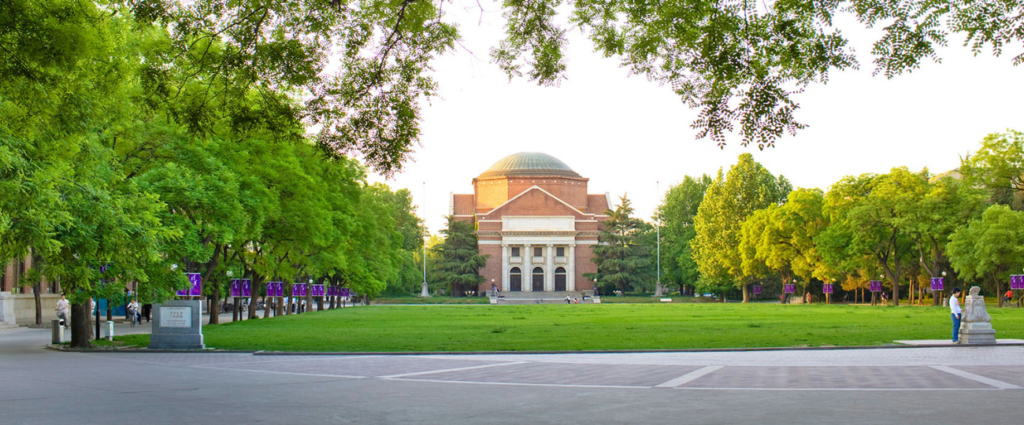
Location: Beijing, China
Global Ranking: Consistently Top 20 worldwide
Students: 60,000+
Tuition: Approximately RMB 30,000–40,000/year (varies by program)
Tsinghua University is often recognized as one of China’s top universities. It has built a global reputation for excellence in engineering, technology, and scientific research, while also becoming a major center for innovation and entrepreneurship.
Known for:
- Engineering
- Technology
- Artificial intelligence
- Architecture
- Computer science
Why students choose it:
- Exceptional reputation in STEM fields
- World-class research facilities
- Strong industry partnerships
- Growing international collaborations
Best for: Students interested in engineering, artificial intelligence, computer science, architecture, or advanced research.
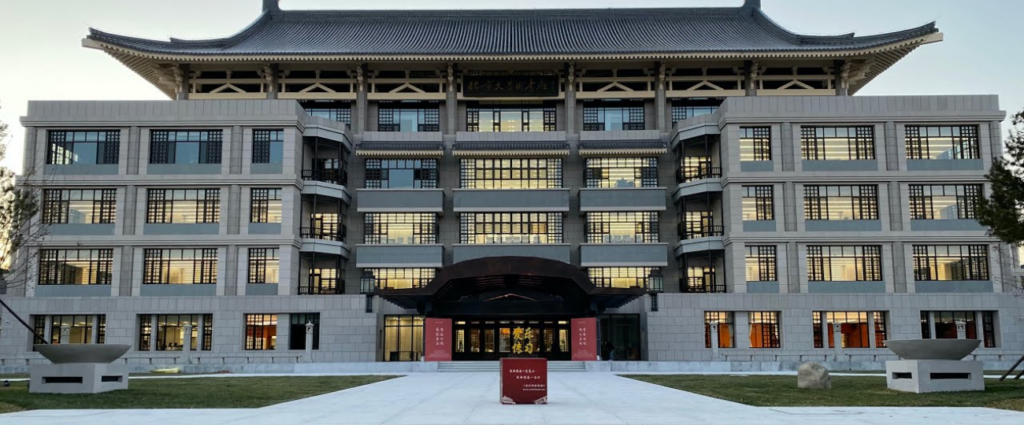
Peking University
Location: Beijing, China
Global Ranking: Consistently Top 20–30 worldwide
Students: 48,000+
Tuition: Approximately RMB 26,000–40,000/year (depending on the program)
Peking University is one of China’s oldest and most prestigious public universities. While it’s well known for its strengths in the humanities and social sciences, it also has a strong reputation across STEM fields, making it a well-rounded choice for students with a wide range of academic interests.
Known for:
- Economics
- Law
- Science
- International relations
- Liberal arts
Why students choose it:
- Prestigious global reputation
- Strong research environment
- Broad range of academic programs
- Influential alumni network
Best for: Students interested in economics, law, public policy, international relations, science, or research.
University of Tokyo

Location: Tokyo, Japan
Global Ranking: Consistently Top 30–40 worldwide
Students: 28,000+
Tuition: Approximately ¥535,800/year (about USD $3,500–4,000), plus admission fees
The University of Tokyo is Japan’s flagship public university and one of Asia’s leading research institutions. It’s especially well known for scientific innovation and continues to expand its selection of English-taught undergraduate and graduate programs, making it more accessible to international students.
Known for:
- Robotics
- Engineering
- Physics
- Medicine
- Scientific research
Why students choose it:
- Affordable tuition
- Exceptional research opportunities
- Strong global reputation
- Located in one of the world’s leading innovation hubs
Best for: Students interested in engineering, robotics, physics, medicine, or scientific research.
Top Public Universities in Australia
Australia continues to be one of the most popular study destinations for international students. Its English-speaking environment, high-quality education system, and globally respected universities make it an attractive choice for students from around the world.
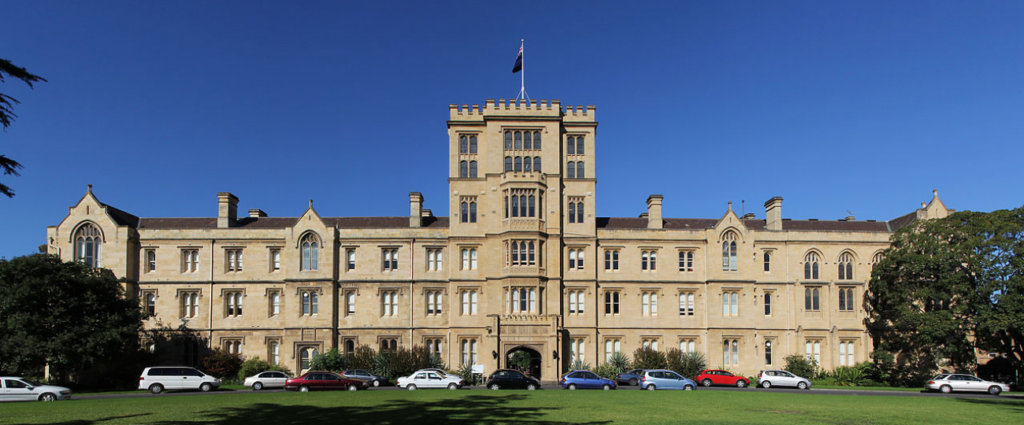
University of Melbourne
Location: Melbourne, Australia
Global Ranking: Consistently Top 20–40 worldwide
Students: 55,000+
Tuition: Approximately AUD $45,000–$56,000/year (international undergraduate)
The University of Melbourne is Australia’s highest-ranked public university in many global rankings. It attracts students from more than 150 countries thanks to its strong research reputation and excellent graduate outcomes.
Known for:
- Medicine
- Law
- Business
- Arts
- Research
Why students choose it:
- Outstanding international reputation
- Strong graduate employment outcomes
- Extensive research opportunities
- A vibrant, multicultural city
Best for: Students looking for a globally recognized degree in medicine, business, law, or research.
Australian National University (ANU)

Location: Canberra, Australia
Global Ranking: Consistently Top 30–50 worldwide
Students: 18,000+
Tuition: Approximately AUD $45,000–$53,000/year
Australian National University is Australia’s leading research-focused public university. Based in the nation’s capital, ANU has close ties with government agencies, research organizations, and international institutions, giving students valuable academic and professional connections.
Known for:
- International relations
- Political science
- Mathematics
- Environmental science
- Public policy
Why students choose it:
- Research-intensive education
- Small student-to-faculty ratios
- Excellent academic reputation
- Strong government connections
Best for: Students pursuing careers in public policy, diplomacy, mathematics, environmental science, or research.
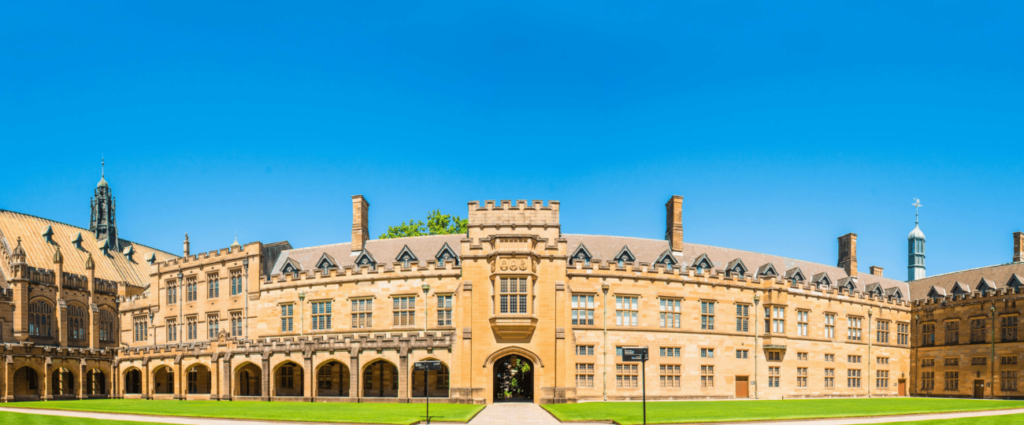
University of Sydney
Location: Sydney, Australia
Global Ranking: Consistently Top 20–40 worldwide
Students: 70,000+
Tuition: Approximately AUD $45,000–$58,000/year
As Australia’s oldest university, the University of Sydney combines a long academic tradition with modern research excellence. It also offers one of the country’s widest selections of degree programs and has partnerships with universities around the world.
Known for:
- Veterinary science
- Health sciences
- Engineering
- Business
- Architecture
Why students choose it:
- Prestigious global reputation
- Wide variety of academic programs
- Strong employer recognition
- Located in Australia’s largest city
Best for: Students who want plenty of academic options and strong career opportunities in a global city.
University of Queensland

Location: Brisbane, Australia
Global Ranking: Consistently Top 50–75 worldwide
Students: 55,000+
Tuition: Approximately AUD $40,000–$52,000/year
The University of Queensland (UQ) is known internationally for its research, innovation, and industry partnerships. It consistently ranks among Australia’s leading public universities and has particular strengths in life sciences and engineering.
Known for:
- Biotechnology
- Agriculture
- Environmental sciences
- Engineering
- Life sciences
Why students choose it:
- Strong research reputation
- Lower living costs than Sydney and Melbourne
- Modern campus facilities
- Excellent graduate employment outcomes
Best for: Students interested in biotechnology, environmental science, agriculture, engineering, or health research.
Accreditation and Degree Recognition
This is one of the questions we hear most often.
In general, a properly accredited degree from a recognized international university is respected by employers and graduate schools around the world.
Many public universities in Europe are part of internationally recognized quality assurance systems. When needed, degrees earned abroad can often be evaluated for U.S. equivalency.
Before applying, it’s always a good idea to confirm:
- Institutional accreditation
- Program accreditation (if applicable)
- Professional licensing requirements
- Graduate school prerequisites
At Beyond The States, we carefully research these factors when evaluating programs, so families have reliable information before making a decision.
Career Outcomes
Graduates from leading public universities go on to work for multinational companies, startups, research institutions, nonprofits, and government organizations around the world.
Some of the biggest advantages include:
- International experience
- Cross-cultural communication skills
- Global professional networks
- Research opportunities
- A competitive edge when applying to graduate school
If you hope to work in another country after graduation, be sure to review that country’s post-study work visa policies before choosing a program.
Who Is This a Good Fit For?
Earning a full degree abroad can be an excellent option for students who:
- Want a high-quality education at a lower cost
- Prefer transparent admissions requirements
- Want to live and study internationally
- Value research opportunities
- Plan to attend graduate school
- Want a globally recognized degree
It may be a less ideal fit for students who are looking for the traditional U.S. college experience centered around major athletic programs or extensive on-campus housing.
Frequently Asked Questions
We’re here to help answer your questions about top public universities in the world.
Many global rankings consistently include UC Berkeley, UCLA, the University of Michigan, the University of Texas at Austin, LMU Munich, KU Leuven, the University of Amsterdam, the University of Copenhagen, the National University of Singapore, Tsinghua University, Peking University, the University of Tokyo, the University of Melbourne, Australian National University, the University of Sydney, and the University of Queensland.
Often, yes. Many public universities in Europe charge much lower tuition than comparable U.S. institutions, although costs vary by country and program.
Yes. Thousands of accredited bachelor’s and master’s programs are taught entirely in English and welcome international students.
In most cases, yes. Degrees from internationally recognized and accredited universities are widely accepted by employers and graduate schools around the world.
Not at all. Students can complete an entire bachelor’s or master’s degree abroad while earning a fully accredited qualification.
Final Thoughts
The top public universities in the world offer more than impressive rankings. They combine rigorous academics, strong research opportunities, global perspectives, and, in many cases, a much better value than comparable universities in the United States.
For students who are open to exploring options beyond the traditional path, earning a full degree abroad can be both academically rewarding and financially worthwhile.
At Beyond The States, we help U.S. students find accredited English-taught degree programs across Europe. We research universities, simplify the application process, and provide clear, transparent guidance so families can make informed decisions with confidence.
Ready to explore your options? Browse programs by country, compare universities, or take our Beyond The States quiz to discover which international degree programs could be the right fit for your goals.