Best Language Immersion Programs
Most Americans study a foreign language for years and still find it hard to actually hold a real conversation.
That usually isn’t about effort. It’s more about the environment they’re learning in.
Here’s the key point.
A few weeks in a well-designed language immersion program can do more than several semesters of traditional classroom study.
And if you’re thinking about studying abroad for a full degree, this kind of experience can also be a practical first step to get you ready.
Summary
What Is a Language Immersion Program?
A language immersion program is basically a setup where you’re using your target language most of the day, not just during class.
That includes:
- Classroom learning
- Housing and meals
- Cultural activities
- Everyday conversations with other students and local people
The idea is pretty simple: you stop treating the language like a school subject and start using it as a tool.
Instead of memorizing word lists, you end up thinking and responding in the language more naturally over time.
Why Choose a Language Immersion Program?
Traditional language classes tend to lean heavily on grammar rules and tests. Immersion programs shift the focus to communication.
What that really means is you’re constantly hearing and using the language in real situations, which speeds things up quite a bit.
Key benefits of language immersion
- Faster improvement in speaking and listening
- More confidence in real conversations
- Better pronunciation
- Stronger cultural understanding
- Better preparation for studying or working abroad
- Stronger college and scholarship applications
If international study is on your radar, immersion can also make the transition to living abroad feel a lot less overwhelming.
At Beyond The States, the focus is on helping students earn full degrees abroad, not just short-term exchange programs. Language immersion can fit nicely as an early step in that path.
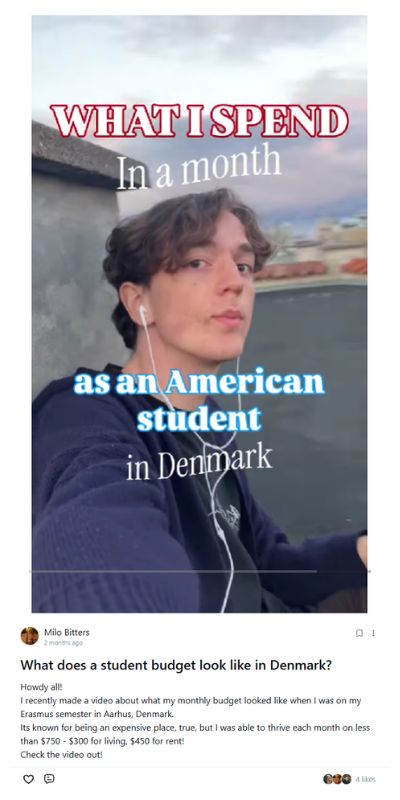
Join the conversation.
Get real answers.
Beyond the States is a student community for those building their future in Europe.
Best Language Immersion Programs in 2026
There isn’t one program that’s best for everyone. It really depends on your goals, budget, language level, and how much time you have.
Below are some of the strongest options for U.S. students and families.
Beyond The States Language Immersion Program Counseling
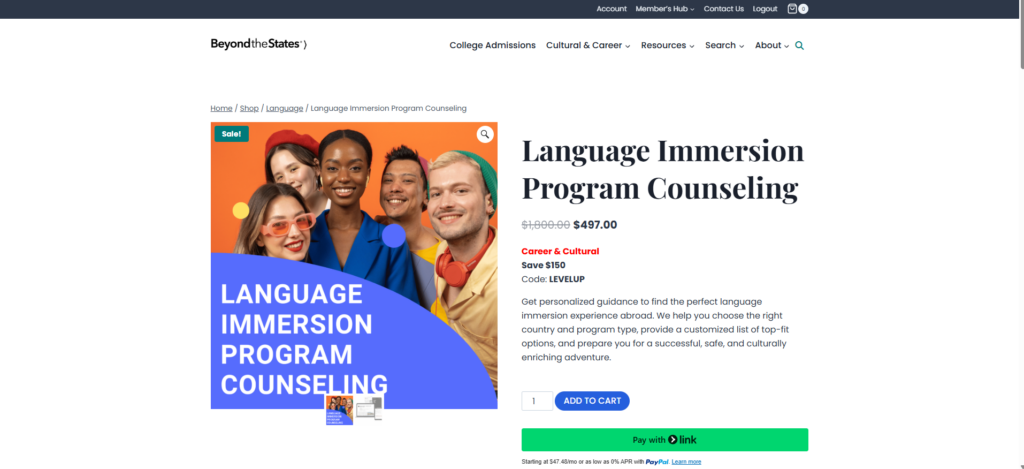
This is a good starting point if you want guidance instead of trying to sort everything out alone.
Rather than pushing a single program, Beyond The States helps you figure out what actually fits you based on things like:
- Language goals
- Academic plans
- Budget
- Age and maturity
- Preferred country
- Long-term degree plans
The package includes one-on-one counseling, a shortlist of three matched programs, cultural prep materials, scholarship tips, and 12 months of Super Duolingo Premium.
Best for
- High school students planning for university abroad
- Gap year students
- Families comparing countries
- Students who want a clear plan instead of guesswork
Typical cost
Usually $1,800, currently $497.
Recommended products
-
Language Immersion Program Counseling
Original price was: $1,800.00.$497.00Current price is: $497.00.

Middlebury Language Schools
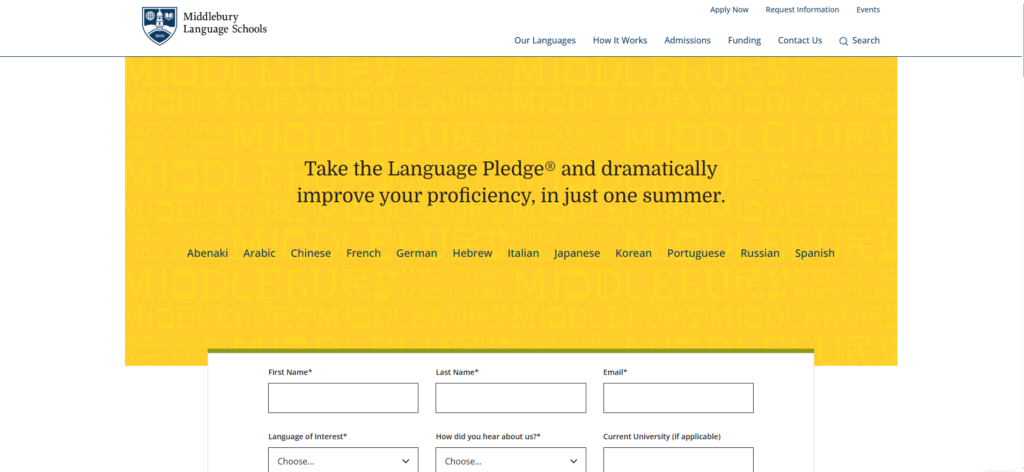
Middlebury is often seen as one of the most intense language immersion experiences in the U.S.
Students agree to a language pledge, meaning they commit to speaking only the target language for the entire program.
Languages include Spanish, French, German, Arabic, Chinese, Russian, Italian, and Portuguese.
Best for
- Highly motivated students
- College and graduate-level learners
- People aiming for serious progress in a short time
Typical cost
Around $8,000 to $13,000 for summer programs, depending on length and housing.
Berlitz Total Immersion
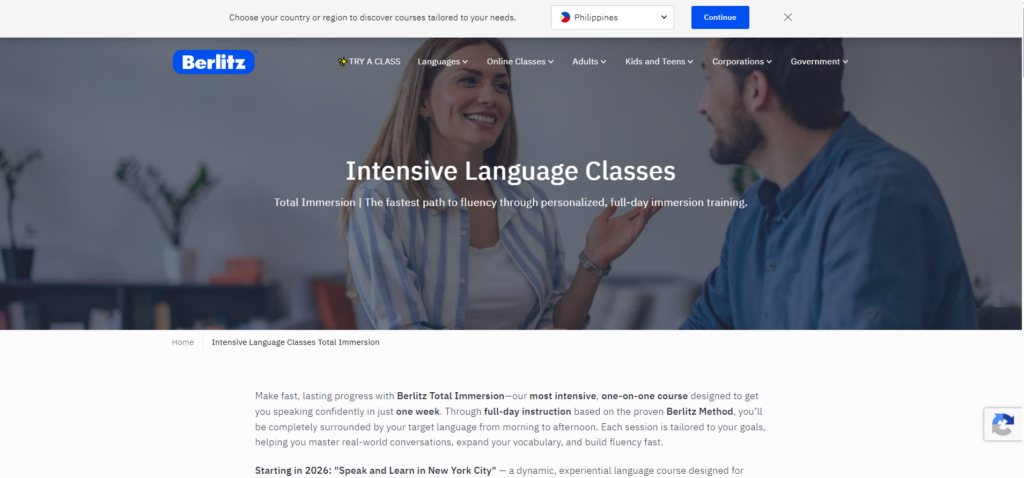
Berlitz focuses on private, one-on-one language instruction that can be tailored to your schedule.
Programs are available both online and in person.
Best for
- Working professionals
- Students with limited time
- Learners who need flexibility
Typical cost
Usually ranges from $1,500 to over $10,000 depending on format and length.
EF Education First Language Abroad Programs
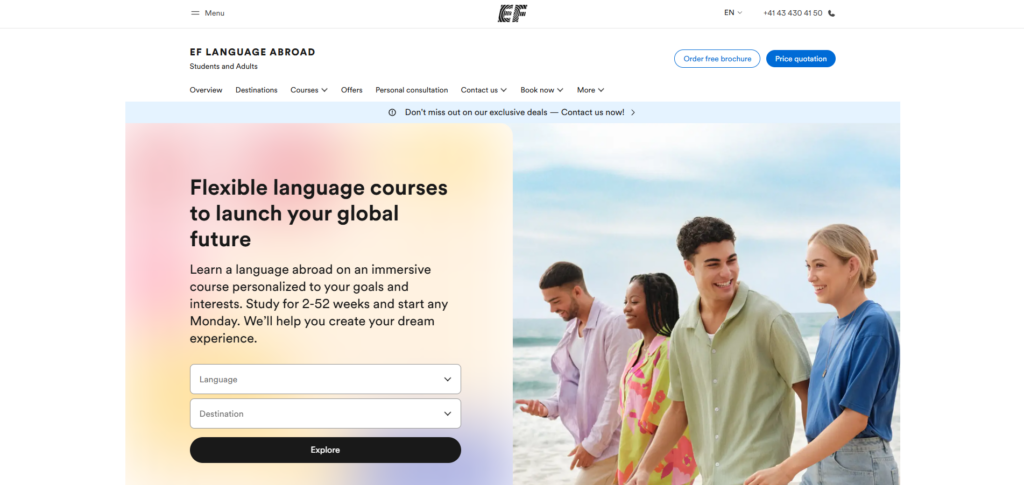
EF combines language classes with housing, activities, and on-the-ground support in different countries.
Popular destinations include Spain, France, Germany, Japan, and South Korea.
Best for
- Teenagers and young adults
- First-time international travelers
- Students who want structure and support
Typical cost
Typically $2,500 to $8,000, plus airfare.
Rassias Center Language Programs at Dartmouth
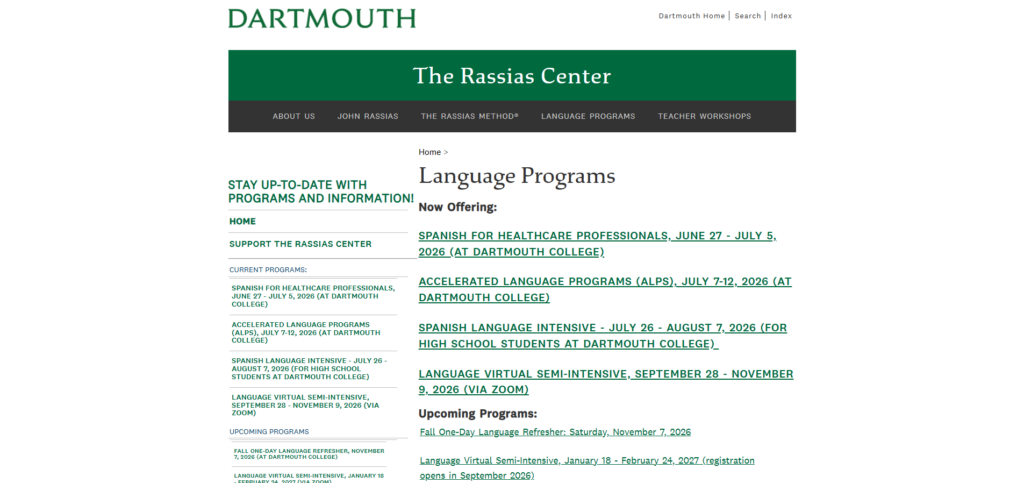
This program uses the Rassias Method, which is very focused on speaking practice and building confidence quickly.
Best for
- Learners who improve fastest by speaking
- Beginners who want quick momentum
Typical cost
Varies depending on format and length.
Fluenz Spanish Immersion
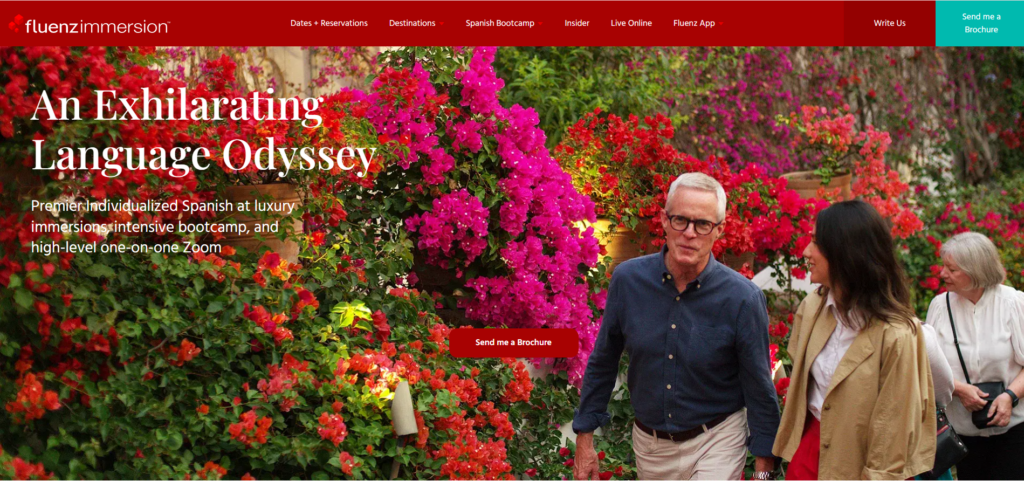
Fluenz offers Spanish immersion programs in places like Mexico, with a more premium, structured experience.
It blends personalized instruction with cultural activities and higher-end accommodations.
Best for
- Adults and families
- Students focused specifically on Spanish
- Learners who want a more curated experience
Typical cost
Usually $3,000 to $7,000+, not including airfare.
Concordia Language Villages
Concordia runs language immersion camps for kids, teens, and adults.
The setup is designed to feel like you’re living in another country.
Best for
- Younger students
- Families looking for an introduction to immersion learning
Typical cost
Around $1,000 to $6,000 depending on session length.
Comparison of Language Immersion Programs in 2026
| Program | Best For | Format | Approximate Cost |
|---|---|---|---|
| Beyond The States Counseling | Personalized guidance | Advisory service | On Sale: $497 |
| Middlebury Language Schools | Intensive academic immersion | In-person | $8,000–$13,000 |
| Berlitz Total Immersion | Customized private instruction | Online/In-person | $1,500–$10,000+ |
| EF Language Abroad | Structured international experience | In-person abroad | $2,500–$8,000 |
| Rassias Programs | Speaking confidence | Online/In-person | Varies |
| Fluenz Spanish Immersion | Premium Spanish learning | In-person abroad | $3,000–$7,000+ |
| Concordia Language Villages | Youth and teens | In-person | $1,000–$6,000 |
Online vs In-Person Language Immersion
Both can work. They just feel very different in practice.
Online language immersion
Advantages:
- Lower cost
- More flexible scheduling
- No travel required
Limitations:
- Less exposure to everyday culture
- Fewer natural, spontaneous conversations
In-Person Language Immersion
Advantages:
- Real-world practice in actual daily situations
- Better understanding of the local culture
- Many learners see faster progress
Limitations:
- Higher overall cost
- Travel and logistics can take effort to manage
Which Is Better?
If your main goal is to become comfortable speaking and actually living in another language environment, in-person immersion usually gets you further.
But if you’re working with a tight budget or schedule, online immersion can still move you forward in a meaningful way.
Cost of Language Immersion Programs
Costs vary a lot depending on where you go, how long you stay, and whether housing is included.
Typical Cost Breakdown
- Tuition: $1,000–$10,000+
- Housing: sometimes included, or $500–$3,000
- Airfare: $400–$1,500
- Meals: either included or $200–$800
- Insurance: $50–$200
- Local transportation: $50–$300
Total Estimated Cost
Most students end up spending somewhere between $2,000 and $15,000.
That’s a wide range, but it makes sense when you realize how different these programs can be. Some are short and local, others are full residential experiences abroad.
How Long Should an Immersion Program Last?
There’s no perfect answer here, but duration definitely affects your progress.
Recommended Timeframes
- 1–2 weeks: A good intro, builds confidence
- 3–6 weeks: Noticeable improvement for most learners
- 2–3 months: Strong language growth
- 6+ months: Deep fluency and real cultural adaptation
For students planning to study abroad, 4–8 weeks tends to be a solid middle ground. Long enough to improve, not so long that it becomes unrealistic financially or logistically.
Tips for Choosing the Right Language Program
Let’s break this into a few simple questions you should actually think through.
1. Define Your Goal
What are you trying to do?
- Prepare for a degree abroad
- Get better at everyday conversation
- Earn school credit
- Build confidence before traveling
Your answer changes what “good” looks like in a program.
2. Set a Realistic Budget
Don’t just look at tuition. Think about the full picture:
- Tuition
- Travel
- Housing
- Insurance
- Spending money
3. Evaluate Academic Quality
Look for things like:
- A clear structure or curriculum
- Qualified instructors
- Some form of assessment or progress tracking
- Honest student feedback
4. Consider Your Learning Style
Some people do well in structured, intensive environments (like Middlebury-style programs). Others need more guidance and support to stay consistent.
5. Think Long Term
If studying abroad is even a possibility for you, choose a program that aligns with that path. It can make the transition later much smoother.
If you want help figuring this out, our services can be useful for mapping out European study options and language requirements. We also offer a free strategy session and a College Admissions Counseling.
Find the Perfect Degree Program in Europe
Explore accredited bachelor’s and master’s programs with clear admissions and lower costs. Join thousands of students already studying across Europe.
Who Is This a Good Fit For?
Language immersion tends to work well for:
- High school students aiming for international universities
- College students considering grad school abroad
- Gap year students
- Adults looking to advance their careers
- Families planning a move overseas
It’s also especially relevant if you’re thinking about degrees in Europe. Many programs there are taught entirely in English, and tuition can be much lower than in the U.S.
Common Myths About Language Immersion Programs
Myth 1: You need to already be advanced
Most programs accept beginners.
Myth 2: You have to go abroad
There are strong programs within the U.S. too.
Myth 3: Higher price means better quality
Not always. Fit matters more than cost.
Myth 4: Language learning is separate from college planning
In reality, language skills can open up more study and work options internationally.
Language Immersion and Studying for a Degree Abroad
Here’s where things get interesting.
There are thousands of accredited universities in Europe offering bachelor’s degrees fully taught in English.
So you don’t need to be fluent in another language just to start a degree.
That said, learning the local language still helps a lot:
- Daily life becomes easier
- You connect more with the culture
- Internship options expand
- You generally have more flexibility after graduation
Beyond The States researches and reviews these kinds of programs to help students find affordable, accredited options across Europe.
Frequently Asked Questions
We’re here to help answer your questions about
It depends on what you want. Some programs are very academic and structured, others are more experience-based. The “best” one is the one that matches your goals, not just the most famous name.
Yes. Most students improve speaking and listening much faster than in a traditional classroom.
Usually between $2,000 and $15,000 depending on length, location, and what’s included.
Yes. Many programs are built specifically for beginners.
3–6 weeks is often enough to see real progress. Longer stays lead to deeper fluency.
Yes. It shows independence, initiative, and international awareness.
Final Thoughts
Language immersion isn’t just about vocabulary. It’s about getting comfortable using a language in real life.
It builds confidence, improves communication skills, and can even shape your academic and career direction over time.
For families exploring international education, language immersion can be a strategic first step toward earning a full accredited degree abroad.
If you want help identifying the right program or mapping a path to an affordable degree in Europe take the Beyond The States quiz or schedule a free strategy session.