Spanish Language Immersion Programs for Adults
Most Americans spend years learning Spanish in classrooms and still can’t comfortably hold a real conversation. But students who immerse themselves in Spanish-speaking countries often improve more in a few months than they did after years of traditional classes.
That’s where things start to change.
Spanish immersion programs aren’t just “language vacations” anymore. More adults are using them as a practical way to prepare for living, studying, and even earning fully accredited degrees abroad especially in Europe, where many universities offer English-taught programs for far less than U.S. tuition.
What many families don’t realize is that studying abroad and earning a degree abroad are completely different paths. A semester abroad is temporary. Earning a full international degree can lower costs significantly, make admissions simpler, and open up global career opportunities. For a lot of students, Spanish immersion becomes the first real step toward that bigger plan.
Summary
What Are Spanish Language Immersion Programs for Adults?
Spanish language immersion programs for adults are structured experiences where you learn Spanish while living in a Spanish-speaking environment. Instead of sitting in a classroom in the U.S. a few hours a week, you use the language throughout your day.
That means you’re not just memorizing grammar rules. You’re using Spanish to:
- Order food
- Get around using local transportation
- Attend classes taught in Spanish
- Talk with host families or local residents
- Complete assignments in real-world situations
These programs are commonly offered in countries like Spain, Mexico, Costa Rica, Colombia, and Argentina.
One thing people often miss: immersion programs aren’t just for casual learners anymore. A lot of students use them to prepare for full accredited degrees abroad, especially in Europe. Many university programs there are taught in English, but knowing Spanish still makes daily life, internships, and social integration much easier.
Why Adults Choose Spanish Immersion Programs
Most adults join immersion programs for practical reasons. This usually isn’t about tourism or picking up a hobby. There’s typically a clear goal behind it.
1. Career Advantage in a Global Market
Spanish is spoken by more than 500 million people worldwide, and it’s the second most spoken language in the U.S. Employers in healthcare, education, business, and government often value bilingual candidates because the skill is directly useful.
2. Faster Language Learning
Immersion speeds things up. When you have to use Spanish every day, progress tends to happen much faster than with classroom-only learning.
You stop translating everything in your head and start responding more naturally. That’s usually the turning point.
3. Preparation for Degrees Abroad
Many students planning to study in Europe use immersion programs as a bridge year or summer transition before university starts.
It helps them adjust to living abroad while building confidence with the language before classes begin.
4. Cultural Understanding
Grammar matters, but understanding how people actually communicate matters just as much. Immersion helps you pick up social cues, local expressions, and everyday communication skills that textbooks usually miss.
At the end of the day, immersion works because you’re using the language under real conditions, not just studying it in theory.
Best Countries for Spanish Immersion
The country you choose affects more than just scenery. It changes your costs, the accent you’ll hear every day, and the overall learning experience.
Spain
- European Spanish dialect
- Strong university integration opportunities
- Good fit for students planning to earn degrees in Europe
- More expensive than many Latin American options
Mexico
- Widely understood, relatively neutral accent
- Strong cultural immersion opportunities
- Lower living costs
- Popular with adult learners and gap year students
Costa Rica
- Clear pronunciation that many beginners find easier to understand
- Considered one of the safer options in Central America
- Well-developed language school network
- Strong homestay opportunities
Colombia
- Growing language-learning and study abroad scene
- Neutral, widely understood accent
- Lower costs than Spain
- Strong urban immersion, especially in cities like Medellín
Argentina
- Distinct Rioplatense accent
- Deep cultural immersion experience
- Often better suited for advanced learners
The “best” country really depends on your goal. Someone preparing for a European university degree may choose Spain, while someone focused on affordability or conversational fluency might lean toward Mexico or Colombia.
Best Spanish Immersion Programs for Adults

Beyond The States Language Immersion Program Counseling
Location: Customized based on student goals and destination preferences
Program length: Flexible
Starting price: $497 (regularly $1,800)
Includes: Personalized advising, custom immersion program recommendations, scholarship guidance, cultural readiness resources, travel prep tools, and a 12-month Super Duolingo Premium subscription
Beyond The States is designed for students and adults who want expert guidance choosing the right immersion program abroad without relying on generic rankings or internet searches.
Students receive a personalized list of best-fit language immersion programs based on their goals, budget, preferred country, and learning style. The service also includes guidance on cultural preparation, travel readiness, and long-term international education planning.
This can be especially useful for students considering future degree programs abroad or broader international education opportunities.
Recommended products
-
Language Immersion Program Counseling
Original price was: $1,800.00.$497.00Current price is: $497.00.

Intercultura Costa Rica Spanish School
Location: Heredia & Sámara Beach, Costa Rica
Program Length: 1–12+ weeks
Starting Price: Around $350–$700 per week depending on housing and season
Includes: Spanish classes, placement testing, homestay options, cultural activities, student support, and optional volunteer opportunities
Intercultura works well for adults who want a balance between structured classes and everyday conversational practice. Class sizes are generally small, which makes the experience feel more personal.
For students considering future study abroad plans, it can be a good introduction to living overseas without feeling overwhelming.
EF Spanish Immersion Programs
Location: Multiple locations including Barcelona, Madrid, and Playa Tamarindo
Program Length: 2–52 weeks
Starting Price: Around $3,000+ depending on destination and housing
Includes: Spanish classes, housing options, placement testing, excursions, cultural programming, student support, and optional internship pathways
EF is a strong option for students who want a highly organized experience with a lot of built-in support. The logistics are usually streamlined, which can make studying abroad feel less stressful, especially for first-time travelers.
One advantage is the ability to compare different Spanish-speaking regions since EF operates in both Spain and Latin America.
Fluenz Spanish Immersion Program
Location: Mexico City, Mexico
Program Length: Usually 1–2 intensive weeks
Starting Price: Around $2,000–$4,000+ depending on accommodations
Includes: Intensive instruction, private coaching, cultural activities, accommodations, transportation during activities, and curated local experiences
Fluenz is aimed at adults looking for a more premium, structured immersion experience. The program combines formal instruction with guided practice throughout the city.
Mexico City also creates strong day-to-day immersion because English is less common outside major tourist areas.
Chac-Mool Spanish Schools in Mexico
Location: Playa del Carmen & Cuernavaca, Mexico
Program Length: 1–24 weeks
Starting Price: Around $250–$500 per week
Includes: Spanish classes, homestay options, placement testing, cultural activities, and conversation practice
Chac-Mool is often a good fit for adults looking for affordability without giving up the immersion experience. The programs are flexible, so they work for both short visits and longer stays.
The homestay option is especially valuable because you’re practicing Spanish outside the classroom every single day. That constant exposure makes a noticeable difference.
For U.S. students, Mexico is also easier and cheaper to reach than many European destinations.
ICIES Spanish Immersion Camps
Location: Spain and Latin America, depending on the session
Program Length: Usually 1–6 weeks
Starting Price: Around $1,500–$4,000+ depending on location and duration
Includes: Intensive instruction, group activities, cultural excursions, housing options, and immersion workshops
ICIES programs are designed for learners who want a shorter but highly immersive experience with strong cultural exposure.
They work particularly well for adults trying to improve conversational Spanish quickly within a limited amount of time.
Types of Spanish Immersion Programs for Adults
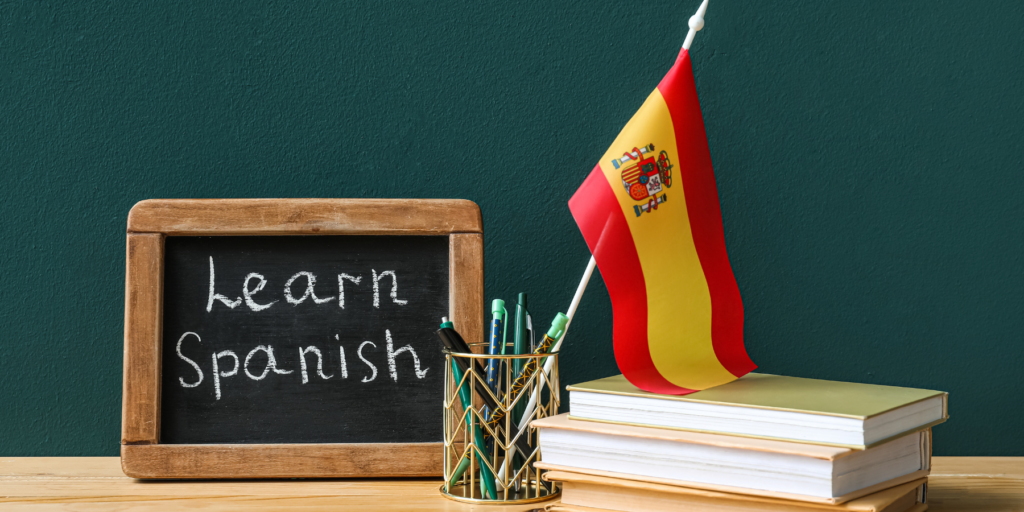
Spanish immersion programs come in several formats, and each one serves a different purpose.
1. Intensive Language Schools
- 15–30 hours of instruction per week
- Small group or private lessons
- Structured curriculum from A1 to C2 levels
- Best for rapid fluency improvement
2. University-Based Language Programs
- Hosted by universities abroad
- More academic structure
- Often include cultural or elective courses
- Useful for students considering full degree programs later on
3. Work + Language Programs
- Combine internships or volunteer work with language study
- Focus on practical communication skills
- Good fit for career-focused adults
4. Homestay Immersion Programs
- Live with a local family
- Practice conversational Spanish daily
- Meals and routines are shared with the household
- Especially effective for beginners
5. Hybrid Online + In-Country Programs
- Online preparation before traveling abroad
- Helpful for students who want to build confidence first
One important point: immersion success usually comes down to daily exposure more than classroom hours alone. The more consistently you use Spanish in real situations, the faster it starts to feel natural.
Cost Breakdown of Spanish Language Immersion Programs for Adults
Costs can vary quite a bit depending on the country, the length of the program, and what’s included.
Average Monthly Costs ( 2026 Estimates)
- Spain: $1,800–$3,500
- Costa Rica: $1,200–$2,200
- Mexico: $900–$1,800
- Colombia: $800–$1,600
- Argentina: $700–$1,500
What’s Typically Included
- Tuition (20–30 hours per week)
- Accommodation, often a homestay
- Some meals, depending on the program
- Cultural activities and excursions
Additional Costs
- Flights: $400–$1,200 depending on the season
- Health insurance: $50–$120 per month
- Personal expenses: $200–$500 per month
- Visa fees, if required
Compared to many U.S. language programs or private college courses, immersion programs abroad are often more affordable while also giving students far more real-world language exposure.
Who Is This a Good Fit For?
Spanish immersion programs tend to work especially well for:
- U.S. students preparing for full degree programs abroad
- Gap year students who want structured academic preparation
- Adults changing careers or adding bilingual skills
- Students planning to live or work in Spanish-speaking countries
- Learners frustrated by slow progress in traditional classroom settings
They’re usually not the best fit for:
- People looking for a casual or passive learning experience
- Students unwilling to step outside their comfort zone
- Learners expecting fluency without practicing daily
Immersion works, but participation matters. The students who improve the fastest are usually the ones who fully engage with the experience.
Common Myths About Spanish Immersion Programs
Myth 1: “You must already speak Spanish”
Not true. Many programs are designed for complete beginners and start at the A1 level.
Myth 2: “Immersion guarantees fluency in a few weeks”
That’s unrealistic for most people. Fluency depends on how long you stay, how consistently you practice, and how actively you participate.
Myth 3: “Only young students benefit”
Adults often do very well in immersion programs because they usually have clearer goals and stronger motivation.
Myth 4: “You can only study language, not academics”
Many immersion programs connect directly to academic pathways and can help students transition into degree programs abroad.
How This Connects to Full Degree Pathways in Europe
For students considering a full degree in Europe, Spanish immersion can be a smart first step.
Many European universities:
- Offer degree programs taught entirely in English
- Have lower tuition costs than U.S. private universities
- Use more merit-based admissions systems
- Provide clearer academic pathways overall
Immersion programs also help students:
- Adjust to living abroad
- Build confidence using another language day to day
- Get comfortable with European academic systems and culture
Frequently Asked Questions
We’re here to help answer your questions about Spanish Language Immersion Programs for Adults
For most learners, conversational fluency takes around 6–12 months of consistent immersion. Your starting level and study intensity make a big difference.
For many adults, yes especially those pursuing career growth, relocation plans, or international study opportunities.
It depends on the country and the length of the program. In many European countries, U.S. citizens can study for under 90 days without needing a visa.
There really isn’t one. Adults in their 20s, 30s, 40s, and 50s regularly join immersion programs.
Indirectly, yes. They can strengthen language ability, cultural adaptability, and overall academic readiness.
Final Thoughts
Spanish immersion programs for adults are more than just language classes. They create an environment where students use the language daily, which speeds up learning in a way traditional classrooms often can’t.
For students planning to earn a degree abroad, immersion can also be part of a bigger strategy. It helps build confidence, independence, and familiarity with living internationally before starting a full academic program.
If you’re trying to figure out whether immersion fits into your academic or career plans, Beyond The States can help you compare countries, programs, and degree pathways with a clearer understanding of your options.