Study in Malta
College tuition in the U.S. has gone up more than 150% over the last two decades. Families are feeling the pressure, and a lot of students are starting to ask the same question: is the traditional college path really the only option?
Here’s what most families don’t realize.
What many people don’t realize is that you can earn a fully accredited bachelor’s or master’s degree abroad often in English, often for much less money, and usually through a simpler admissions process. Malta is one of the countries getting more attention for exactly those reasons.
Summary
Why Study in Malta?
Here’s the short version: Malta offers accredited degrees taught in English, lower tuition compared to many U.S. schools, and access to the European job market all in a small, safe, student-friendly country.
And honestly, that combination is hard to ignore.
Malta isn’t trying to compete with huge higher education systems like the U.S. or UK. Instead, it offers something more focused and accessible, especially for international students who want a simpler path.
Key Advantages
- English is an official language, so there’s no major language barrier
- Degrees are recognized across the EU and beyond
- Tuition and living costs are lower than in many Western countries
- Admissions are more direct and less complicated
- There’s growing demand for international talent in several industries
Why Malta Is Becoming a Top Study Abroad Destination
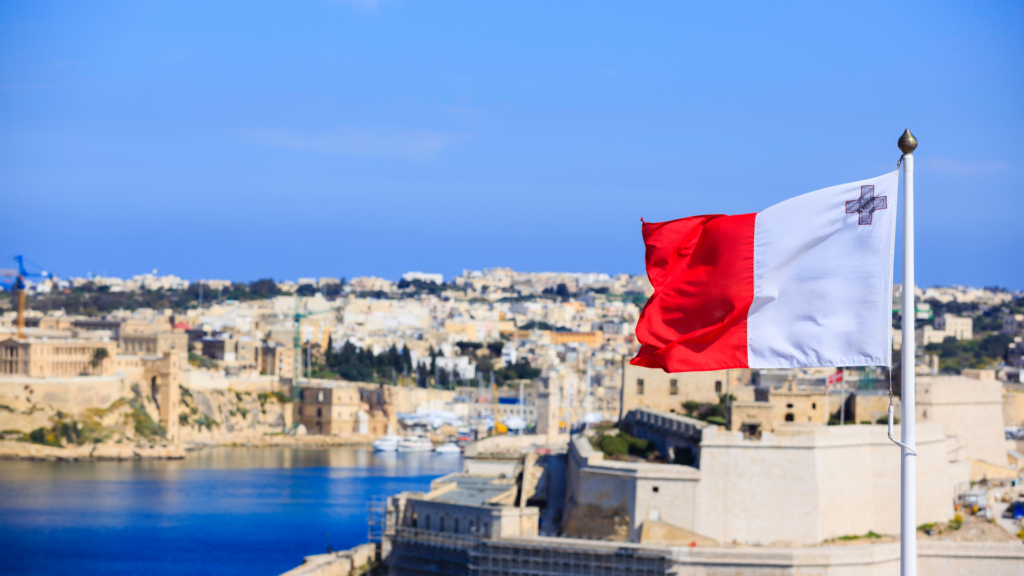
This shift didn’t happen by accident. Student priorities are changing, and Malta happens to check a lot of the right boxes.
1. English-Taught Degrees by Default
In many European countries, English-language programs can be limited. Malta is different. A wide range of degrees are taught fully in English, which removes one of the biggest concerns for U.S. students studying abroad.
2. Smaller, More Accessible Universities
Admissions in Malta are usually more transparent and criteria-based. Instead of trying to navigate an unpredictable “holistic” system, students are evaluated on mostly on whether they meet the academic requirements.
That makes the process feel a lot more straightforward.
3. EU Membership Benefits
Because Malta is part of the European Union:
- Degrees are recognized across EU countries
- Graduates can explore wider job opportunities in Europe
- Students have more options for future study throughout the EU
4. Strategic Location
Malta sits in the Mediterranean and connects Europe, North Africa, and the Middle East. That location has helped industries like these grow:
- Finance
- Technology
- Gaming
- Tourism and hospitality
Best Universities in Malta for International Students
Malta’s higher education system is smaller than what you’d find in the U.S., but that can actually make things easier. There are fewer schools to sort through, and programs tend to be more focused.
University of Malta
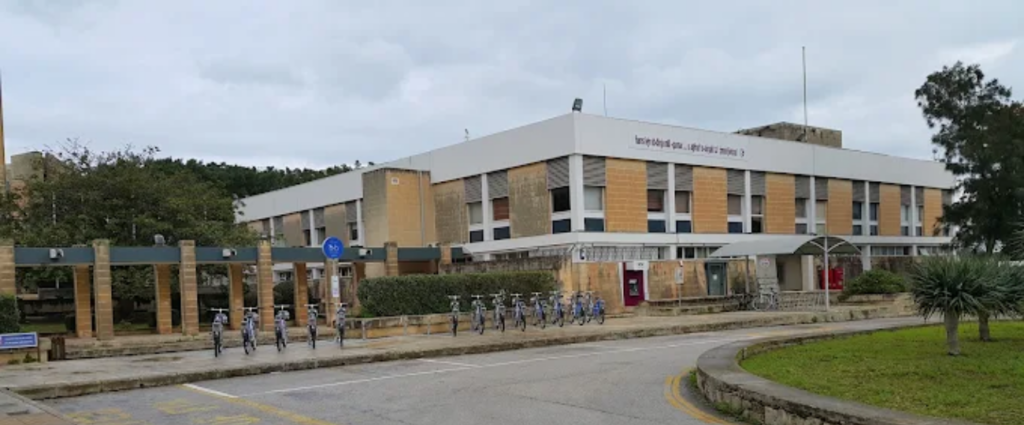
Best for: Traditional university experience, research, and academic depth
- Founded in 1592, making it one of Europe’s oldest universities
- Public institution with strong EU recognition
- Offers programs in:
- Business
- Engineering
- Medicine
- Arts and humanities
- Larger campus environment compared to most Maltese schools
Tuition:
- Approximately $9,000 – $14,000 per year for non-EU students
Why it stands out:
It’s the most established university in Malta and carries strong recognition, especially for students thinking about graduate school later.
Malta College of Arts, Science and Technology (MCAST)

Best for: Hands-on, career-focused learning
- Strong focus on applied education
- Programs designed around workforce needs
- Popular fields include:
- Information technology
- Engineering
- Creative arts
- Business and management
Learning style:
More practical than theoretical. Expect projects, labs, and industry exposure.
Tuition:
- Approximately $8,000 – $12,000 per year depending on the program
Why it stands out:
It’s a strong option for students who want practical skills and a direct route into the workforce.
American University of Malta

Best for: A U.S.-style education in Europe
- Smaller private university
- Liberal arts approach
- All programs taught in English
- Focus areas include:
- Business administration
- Game development
- Engineering
- International relations
Class environment:
Smaller classes with more discussion-based learning
Tuition:
- Approximately $10,000 – $18,000 per year
Why it stands out:
It feels more familiar to U.S. students, while still offering international experience.
Global College Malta
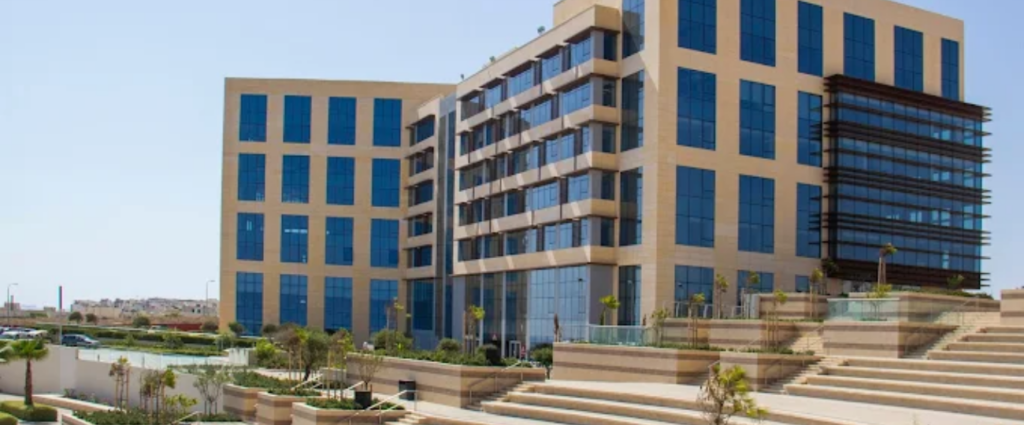
Best for: Business and leadership-focused degrees
- Focused on business, entrepreneurship, and management
- Built with international students in mind
- Emphasizes real-world application and global perspective
Tuition:
- Approximately $12,000 – $16,000 per year
Why it stands out:
Strong career focus, especially in business-related fields.
Institute of Tourism Studies (ITS)
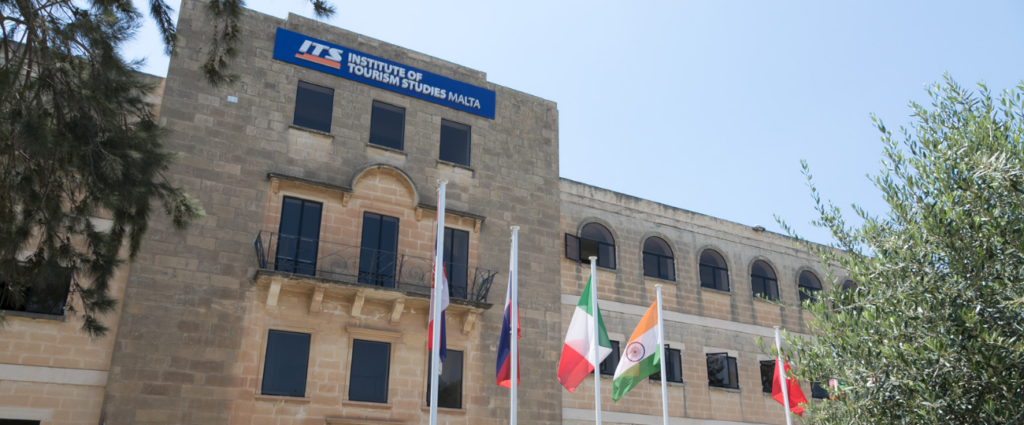
Best for: Hospitality and tourism careers
- Closely connected to Malta’s tourism industry
- Programs include:
- Hospitality management
- Culinary arts
- Tourism operations
Tuition:
- Approximately $7,000 – $11,000 per year
Why it stands out:
It offers a direct path into one of Malta’s biggest indust
Discover all the English-taught European college programs in one place.
Beyond the States provides easy access to 12,600+ European bachelor’s and master’s programs across 870 universities, 550 cities, and 212 areas of study, plus all the resources you need to get there.
3400+
English-taught bachelor’s programs in our database.
550
Beautiful European cities to choose from.
$360,170
Typical savings against a private university in the US.
8200+
English-taught master’s programs in our database.
870
Top-tier universities accepting international students.
$65,038
Typical savings against in-state tuition in the US.
Cost of Studying in Malta for International Students
Cost is one of the main reasons students start looking at Malta in the first place.
Tuition Overview
| Type of Institution | Annual Tuition (USD) |
| Public (University of Malta) | $9,000 – $14,000 |
| Private Universities | $10,000 – $20,000 |
Living Costs
| Expense | Monthly Estimate |
| Housing | $500 – $900 |
| Food | $250 – $400 |
| Transportation | $30 – $60 |
| Miscellaneous | $150 – $300 |
Estimated total annual cost: $16,000 – $28,000 (all-in)
And here’s what stands out: in many cases, that total cost is still lower than tuition alone at private universities in the U.S.
How to Apply to Universities in Malta
The admissions process in Malta is usually much simpler than what students are used to in the U.S.
There’s less guesswork, fewer subjective requirements, and more focus on whether you meet the stated criteria.
In other words, if you’re academically qualified, you have a solid chance of getting in. It’s less about building the “perfect” application and more about meeting the requirements.
Typical Requirements
Most universities ask for:
- High school diploma (for bachelor’s programs)
- Official transcripts showing your grades and coursework
- Proof of English proficiency, such as TOEFL or IELTS (often waived for U.S. students)
- Personal statement or motivation letter (varies by program)
- Copy of your passport
- Application form (online or through the university portal)
Some programs especially medicine, engineering, or design, may also require:
- Entrance exams
- Portfolios
- Interviews
But those are usually exceptions, not standard requirements.
What You Usually Don’t Need
This is where Malta looks very different from the U.S. system.
In many cases, students don’t need:
- SAT or ACT scores
- Multiple recommendation letters
- Long extracurricular resumes
- Complex application platforms like the Common App
Admissions are generally criteria-based, not story-based. Schools mostly want to know whether you meet the academic requirements.
Step-by-Step Application Process
Let’s break this down into a simple path:
- Choose your program
Start with the degree itself. European programs are often more specialized. - Check entry requirements
Universities clearly list required grades, subjects, and qualifications. - Prepare your documents
Gather transcripts, passport copies, and anything else required. - Submit your application
Most applications are completed directly through the university website. - Receive an offer
Students may receive:- A conditional offer
- An unconditional offer
- Accept your offer and pay any required deposit
This secures your place. - Apply for your student visa
After acceptance, you can begin the visa process.
Find the Perfect Degree Program in Europe
Explore accredited bachelor’s and master’s programs with clear admissions and lower costs. Join thousands of students already studying across Europe.
Application Timeline
Malta universities are often more flexible than U.S. schools.
- Fall intake (main intake): Applications usually open between January and June
- Spring intake (limited programs): Applications are often accepted between October and December
Many schools use rolling admissions, meaning they review applications as they arrive.
Still, applying earlier helps with:
- Program availability
- Housing options
- Visa processing time
Admission Decisions: What to Expect
Students usually hear back within a few weeks to a couple of months.
Admissions decisions are commonly based on:
- GPA or academic performance
- Required coursework
- Meeting minimum entry standards
Compared to highly selective U.S. schools, the process tends to feel more predictable.
Visa Requirements
After acceptance, students will typically need a student residence permit for Malta.
Requirements usually include:
- Proof of university acceptance
- Proof of financial means
- Health insurance
- Accommodation details
Processing times vary, so starting early is a good idea.
Student Life in Malta
Student life is one of Malta‘s biggest advantages and probably one of the most overlooked.
Because at the end of the day, you’re not just choosing a university. You’re choosing where and how you’ll live for the next few years.
What Daily Life Looks Like
Malta offers a mix that’s hard to find in many other places in Europe:
- Small, walkable cities
- Coastal living
- A mix of local and international students
- A slower pace compared to major capitals
Classes also tend to be smaller and more structured, which often means more interaction with professors and classmates.
Social and Cultural Experience
Malta is highly international. Students come from across Europe, North Africa, and many other regions.
Popular student activities include:
- Beach outings and water sports
- Cultural festivals and local events
- Weekend travel around European
- Student clubs and university-organized activities
Here’s the upside.
You get an international experience without dealing with the chaos and high costs that often come with major cities like London or Paris.
Cost-Conscious Lifestyle
Living in Malta as a student can also be easier on your budget. Day-to-day costs are generally manageable, especially compared to bigger European destinations.
- Public transportation is affordable
- Many social activities, including beaches and festivals, are free or inexpensive
- Shared housing keeps rent reasonable
Safety and Environment
Malta is considered safe, with low crime rates and a well-developed tourism system. Since English is widely spoken, everyday things like finding housing, going to appointments, or handling paperwork tend to feel less intimidating for international students.

Can International Students Work in Malta?
Yes, but there are a few rules.
Student Work Rules
- Non-EU students can work up to 20 hours per week
- You need a valid student visa
- You also need an employment license
Common Student Jobs
- Hospitality, including restaurants and hotels
- Retail
- Administrative support
- Entry-level tech or gaming roles
Part-time work usually won’t cover all your expenses, but it can help with living costs while giving you practical experience.
Job Opportunities After Studying in Malta
Malta’s job market is smaller than what you’d find in larger EU countries, but some industries are growing quickly.
High-Demand Fields
- Information technology
- Online gaming and iGaming
- Finance and accounting
- Tourism and hospitality
- Blockchain and fintech
Post-Study Pathways
- Graduates can apply for work permits
- Companies in key industries often sponsor international workers
- Experience in Malta can open doors to opportunities across the EU
In other words, Malta can work as both a study destination and a starting point for a broader international career.
Accreditation and Degree Recognition
This is usually one of the first questions families ask.
Degrees from Malta are:
- Accredited within the European Qualifications Framework (EQF)
- Recognized across EU member states
- Generally accepted by U.S. employers and graduate schools
At Beyond The States, we only recommend programs that meet strict accreditation and quality standards. That’s a key part of how we evaluate universities.



Who Is This a Good Fit For?
Studying in Malta won’t be the right choice for everyone. But it can make a lot of sense for students who:
- Want a fully English-taught degree abroad
- Are searching for a more affordable alternative to U.S. colleges
- Prefer straightforward admissions requirements instead of unpredictable holistic admissions
- Are comfortable living in a smaller country
- Want access to career opportunities in Europe
Common Misconceptions About Studying in Malta
“The degree won’t be recognized in the U.S.”
That’s not really true. If the institution is properly accredited, the degree is widely recognized.
“It’s just a study abroad destination.”
Malta offers full degree programs, not only short-term exchange semesters.
“There aren’t enough academic options.”
Malta is smaller, so naturally there are fewer universities. Still, students can find strong programs in business, tech, healthcare, and other fields.
“It’s too far or unfamiliar.”
Malta is well connected to the rest of Europe and has years of experience hosting international students.
Frequently Asked Questions
We’re here to help answer your questions about Study in Malta
Yes. Malta is considered one of the safer countries in Europe and has a strong international student and tourism presence.
No. English is an official language and is widely used in universities and daily life.
Sometimes. It depends on the university and program, so each case needs to be reviewed individually.
Yes, although they’re usually limited. For most students, the biggest savings come from lower tuition costs rather than large scholarships.
Potentially. Some graduates move into work permits in Malta, while others continue their careers in different EU countries.
Final Thoughts
Studying in Malta isn’t about taking the easy route. For many students, it’s simply a more practical way to earn a globally recognized degree.
That can mean:
- Lower total cost
- More transparent admissions requirements
- International career exposure
For some students, that completely changes what feels possible.
If you’re exploring options, start by comparing programs that match your academic goals and budget. Beyond The States can help you find vetted universities, understand admissions requirements, and build a clear plan..
You can also take our quiz or schedule a free strategy session to see if studying in Malta or elsewhere in Europe is the right fit for you.